By: Natalie Johnson
When Kim Vesey speaks with people facing their first holidays after a death, she often starts by naming a wish: to go to bed the Wednesday before Thanksgiving and wake up on January 2.
She treats that wish as understandable. She is also clear that it is not possible, which is why the practical advice in her holiday program begins with a simple instruction: create a plan for the holidays.
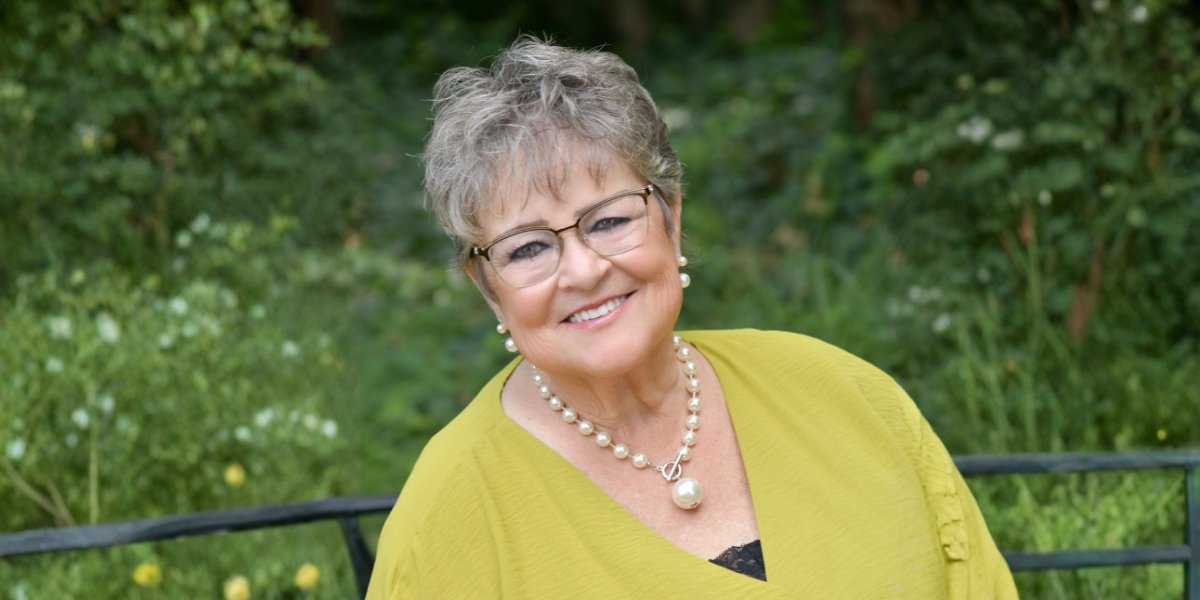
Vesey is a certified grief specialist and the founder of My Hope Path. She has spent nearly 40 years in hospice and end-of-life care and holds a certification in Thanatology, the study of death and grief.
Start With Expectations
The planning Vesey recommends starts before anyone decorates or sends an invitation. She asks people to examine their expectations of the holidays and of themselves, then decide how they want to spend the season. They can keep traditions as usual, scale back or do something entirely different, ideally with input from immediate family.
Location is part of that decision. Some people will want to be at home, others at a relative’s or friend’s house, and some may decide the season is easier somewhere else altogether. Vesey even raises a cruise ship or a cabin as possibilities.
To make those choices concrete, she gives attendees a Holiday Planning Tool: a simple chart listing events such as hosting Thanksgiving dinner, attending a church service, decorating, baking, sending cards and exchanging gifts, with space to mark whether the person thinks they want to do each one this year. Seeing the season broken into separate decisions can make it feel less like one overwhelming obligation.
Plan for the Jobs Someone Used to Do
Holidays run on small roles that nobody formally assigns. Vesey asks families whether the person who died carved the turkey, mashed the potatoes, offered grace before the meal or cleaned up the gift wrap.
The examples are personal for Vesey. Her husband, Les, mashed the potatoes every Thanksgiving and was always ready with a trash bag when the wrapping paper started coming off the gifts.
Because those jobs are so familiar, families rarely discuss them until the moment arrives and their loved one is not there to do them. Vesey describes a scene many families will recognize: dinner is ready, it is time to carve the turkey, and everyone at the table suddenly realizes no one has stepped in to take that job. No one wants to be the one to cut it, and an ordinary task becomes awkward for the whole family.
Her advice is to decide ahead of time who will take on each role. “It can avoid an unexpected and painful awkwardness,” she says.
Planning ahead also leaves room to change the role itself. Not every tradition has to be carried out the same way, and Vesey is practical about the alternatives: pizza or Chinese food can stand in for the usual turkey or ham if that feels easier this year.
Decide How to Honor a Loved One
She also encourages families to decide in advance how they want to remember their loved one during the celebration. Her suggestions include placing a photograph and a candle near the meal, leaving an empty chair at the table and inviting guests to share favorite holiday stories.
Vesey has lived one of these ideas herself. After Les died, she was unsure whether to hang his Christmas stocking. While she was at church one morning, her children, then 17 and 19, brought the decorations down from the attic, put up both trees and hung all four stockings, which settled that question. The harder one came on Christmas: what the stocking was now for.
She brought it to Christmas dinner and set it on the buffet beside a white candle with his photograph, surrounded by small Christmas trees cut from green paper. She asked everyone to write down a favorite Christmas memory of him during the day and place it in the stocking. That night, she and her children read them. Some were funny, recalling the holiday jobs he had always handled.
She now suggests a version other families can adapt, placing the stocking beside a photograph, with pen and paper set out so guests can add memories throughout the day.
Permission to Step Away
Even a thoughtful plan may not hold on the day itself, and her guidance allows for that. She tells grieving people it is okay to take a time out and step away from a gathering, with no explanation necessary. If the plan is not working, she suggests moving to a plan B.
For invitations, she offers a practical qualifier: accept, but add “unless I’m having a difficult day.” That keeps people connected to gatherings that matter to them without requiring them to predict, weeks ahead, how they will feel.
Her planning extends past Christmas. Vesey asks people to think about New Year’s Eve, too, whether that means being at a movie at midnight, going to bed early or ringing in the year with family and friends. She explains why: “It can be painful when you realize you won’t be making memories with your loved one in this new year.”
Room for Laughter, and for Hope
Her guidance also makes room for lighter moments. When someone has a good day and feels like doing something fun, her advice is to do it. “Laughter and joy are a part of grief, just like tears and sadness are,” she says.
She also frames the season’s choices as temporary. After the holidays, she encourages people to look back on what worked, then decide later whether to return to old traditions, continue new ones or try something different. Nothing has to be settled permanently in the first year.
That perspective connects to how she defines hope: “Hope is an expectation of a good that is yet to be.” For families approaching a season that will feel different, a plan will not remove the grief. It can give them more say in how the weeks unfold and more room to notice the moments worth keeping.
Her session, Grief and Hope at the Holidays, runs 60 or 90 minutes and can be delivered in person or by Zoom. Vesey presents it for several funeral homes in her area, and churches and employers can also host it for the people they serve. More information about her speaking topics is available through My Hope Path.