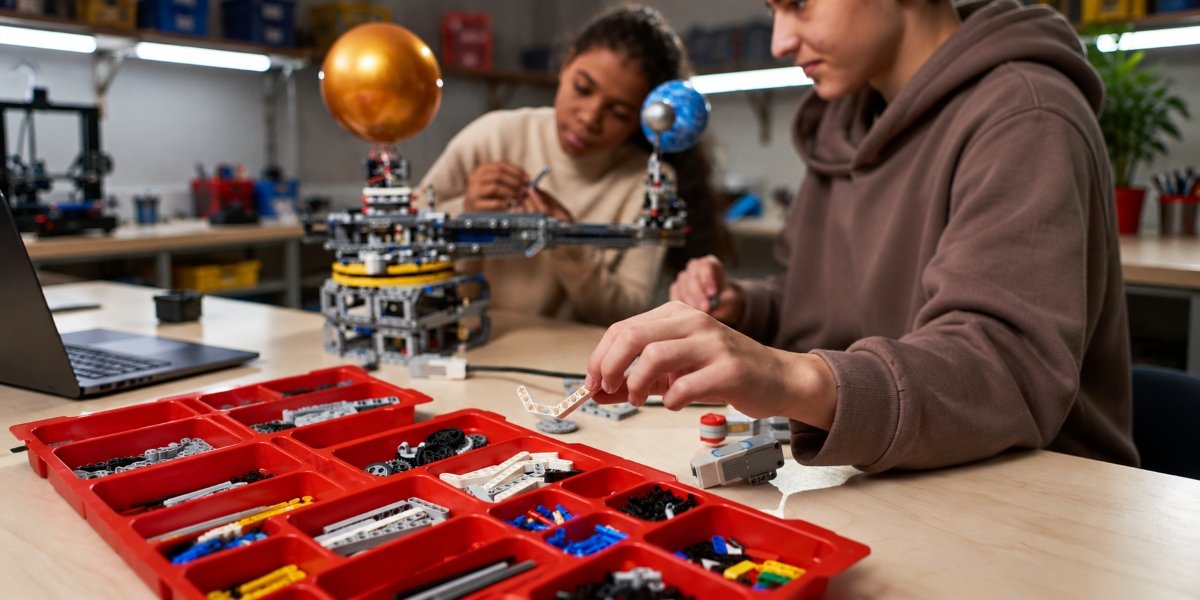
As technology continues to transform industries and workplaces, schools must prepare students with the knowledge and skills needed to succeed in a rapidly changing world. STEM education, which focuses on science, technology, engineering, and mathematics, helps students develop analytical thinking and problem-solving abilities. STEAM education expands this approach by incorporating the arts, encouraging creativity alongside technical knowledge. Dr. Marlon Burton explores how school administrators can establish effective STEM and STEAM programs that strengthen student learning and prepare young people for future opportunities.
Establishing a Clear Vision for STEM and STEAM Education
Successful STEM and STEAM programs begin with a clear educational vision. School administrators must identify learning objectives, understand student needs, and determine how these programs can support broader academic goals.
Rather than treating STEM and STEAM as separate activities, administrators can integrate these disciplines into existing curricula. Mathematics lessons can incorporate engineering challenges, science classes can include creative design projects, and technology activities can encourage students to develop practical solutions to everyday problems.
A consistent vision helps teachers understand how interdisciplinary learning supports academic development. It also allows administrators to evaluate progress and make informed decisions about future improvements.
Equipping Teachers With the Right Resources
Teachers play a central role in bringing STEM and STEAM learning to life. However, implementing these programs effectively requires appropriate resources, professional development, and opportunities to collaborate.
School administrators can support educators by providing access to laboratory equipment, digital learning tools, creative materials, and hands-on learning activities. Equally important is ensuring that teachers receive training on how to incorporate these resources into meaningful lessons.
Professional development can help educators design projects that connect multiple subjects while maintaining clear academic objectives. Collaboration among mathematics, science, technology, and arts teachers can also encourage new instructional approaches and create more engaging classroom experiences.
Encouraging Creativity and Real-World Problem Solving
One of the greatest benefits of STEM and STEAM education is the opportunity to connect classroom learning with real-world challenges. Students can design prototypes, investigate environmental concerns, create digital projects, or develop solutions to community problems.
These activities encourage students to ask questions, test ideas, analyze results, and learn from mistakes. Incorporating the arts further strengthens this process by helping students communicate ideas, explore different perspectives, and approach challenges creatively.
Dr. Marlon Burton’s educational leadership perspective highlights the importance of creating learning environments where students actively participate in their education. Practical projects can help learners recognize how academic concepts apply beyond textbooks and examinations.
Promoting Equal Access to Learning Opportunities
Effective STEM and STEAM programs should be accessible to students with different interests, abilities, and backgrounds. Administrators must consider whether all learners have equal opportunities to participate in projects, use technology, and receive academic support.
Schools can expand access by offering introductory activities, after-school programs, collaborative projects, and differentiated instruction. Partnerships with community organizations and educational institutions may also provide additional resources and learning experiences.
Preparing Students for Future Success
Building strong STEM and STEAM programs requires thoughtful planning, teacher support, appropriate resources, and a commitment to inclusive learning. School administrators who prioritize these elements can help create educational experiences that strengthen technical knowledge, creativity, collaboration, and critical thinking.
As Dr. Marlon Burton emphasizes through his educational leadership perspective, preparing students for the future means equipping them to adapt, innovate, and solve problems. Well-designed STEM and STEAM programs can help schools develop these essential skills while making learning more relevant, engaging, and meaningful.