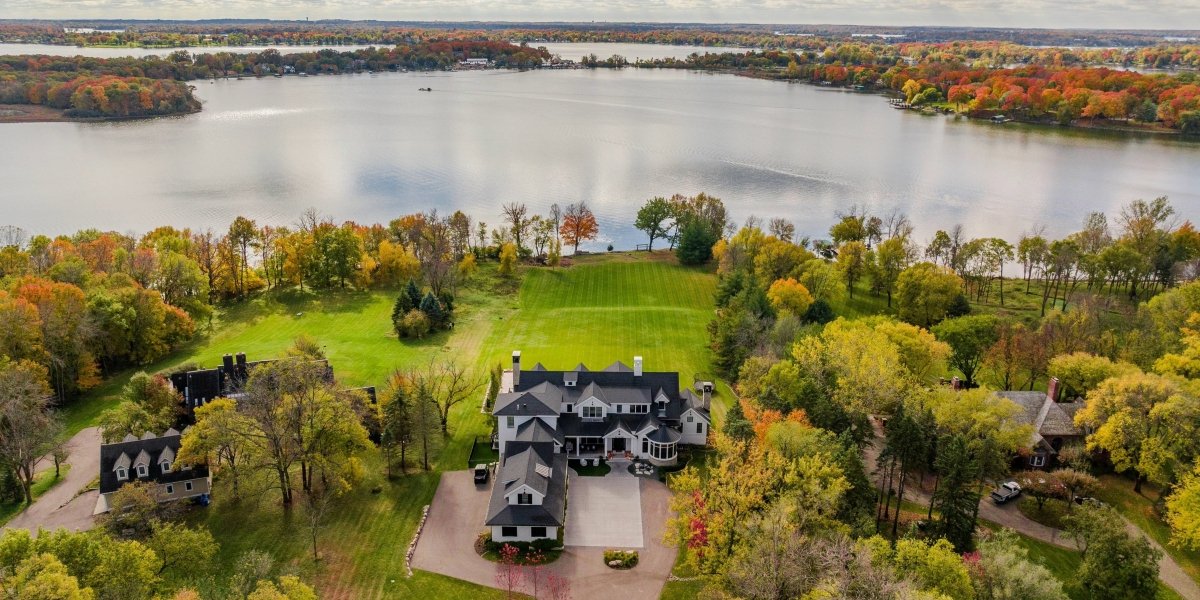
Second-home buying is picking up again, slowly. Redfin reported in July that buyers took out 4.1% more second-home mortgages in 2025 than a year earlier, the first annual increase since the pandemic-era boom. Even so, second homes made up just 2.7% of all mortgage originations last year, a reminder of how few households can justify carrying a property they use only part of the year.
Co-ownership is one answer the industry has been developing for that gap, and it has now reached the auction block. DeCaro Auctions, a luxury real estate auction house founded in 1983, began offering co-ownership auctions in September 2026 and says it is the first auction company to sell co-ownership this way. Here is how the model works and what buyers should weigh before bidding.
Is Fractional Ownership a Timeshare?
No, though it is usually the first question buyers ask. A timeshare typically sells the right to use a property for a set period. Co-ownership, often called fractional ownership, is ownership of the property itself.
“This is not a timeshare. It’s co-ownership,” says Mario Vargas, partner and CEO of DeCaro Auctions. “Everyone owns the whole home.”
A home is typically divided into eight fractions, though some are offered in six or four. Depending on how the sale is structured, owners hold either a deeded fraction of the property or a fraction of a company, usually an LLC, formed to own it. No one owns the primary suite or a particular wing. Every owner has use of the entire house during their stays.
The category has been gaining formal footing for several years. The Real Estate Standards Organization added co-ownership as a property subtype in its 2022 data dictionary, giving listing systems a standard way to classify it. Matthew Rollins, partner and chief marketing officer at DeCaro, notes that many high-net-worth buyers already hold real estate through LLCs, so the structure tends to feel familiar.
How Is Time Divided, and Who Pays for Upkeep?
After the sale, DeCaro coordinates professional management for the home. Calendars often rotate each year so holidays and peak seasons are divided fairly over time. The house is cleaned and prepared before each arrival and reset after each departure.
Owners split the carrying costs, including maintenance, repairs, taxes and insurance. Vargas argues this is where co-ownership differs from renting a second home out to strangers. “Everyone using it is an owner, so they treat it with much more respect,” he says.
An operating agreement sets the rules, much like the covenants of a homeowners association. Typical terms include a minimum holding period of one year, a right of first refusal for the other owners when someone sells, and a ban on renting out a fraction.
Why Buyers Are Considering It
The most obvious draw is a lower entry point. On a Lake Minnetonka estate DeCaro is currently auctioning, bidding on each fraction, one-eighth of the home, opens at $1.55 million, against a whole-home value of about $15 million.
Vargas says price is not the only factor. Even buyers who could afford the whole house may question carrying 100% of a property they use a few weeks a year. “It’s a smarter way to own,” he says.
The model can also help sellers. A family that is not ready to let go of a vacation home can sell part of it and keep part. Heirs who disagree about an inherited property have a way to divide along those lines, with some keeping a stake and others cashing out.
Co-ownership is not for everyone. Owners give up full control of the calendar, agree to rules set by the operating agreement and rely on the other owners and the management company to keep the arrangement running smoothly. Buyers should read the agreement closely before bidding, particularly the terms on scheduling, cost-sharing and resale.
How the Auction Works, and How Owners Sell Later
In a standard auction, bidding opens and climbs. A co-ownership auction instead publishes a starting bid for each fraction. Buyers register, qualify and lock in a place at that opening bid. If more bidders want in than there are fractions available, competition sets the final price.
Registration follows the same steps as any DeCaro auction: review the property’s due diligence documents, agree to the auction terms and submit proof of funds. The full sequence is laid out on DeCaro’s process page.
Whole-home buyers remain part of the opportunity. While DeCaro conducts the fractional auction, buyers interested in acquiring the entire property may submit a whole-home offer at any time. This provides an additional path to sale, allowing the seller to evaluate both fractional bidding and whole-home offers to determine which delivers the greatest overall value.
To exit later, an owner sells their fraction under the terms of the operating agreement. DeCaro recommends putting it back up for auction, drawing on its growing network of buyers looking for co-ownership in specific markets. “We can simply put that fraction back up for auction and let the market dictate what it’s worth,” Rollins says.
For buyers who have wanted a place in a resort market but could never justify owning all of it, the question is shifting from whether they can afford the house to whether co-ownership fits how they would actually use it.
About DeCaro Auctions: DeCaro Auctions is a boutique luxury real estate auction house founded by Daniel DeCaro in 1983, with more than 40 years in luxury auctions. The firm runs date-certain auctions for whole homes and co-ownership, and partners with the listing agent on every sale; learn more at decaroauctions.com.
This article is intended for informational purposes only and does not constitute legal, financial, or investment advice. The views and opinions expressed herein reflect those of the individuals quoted and do not represent an endorsement of any company, product, or service mentioned. Readers should conduct their own due diligence and consult qualified professionals before making any purchase decision.