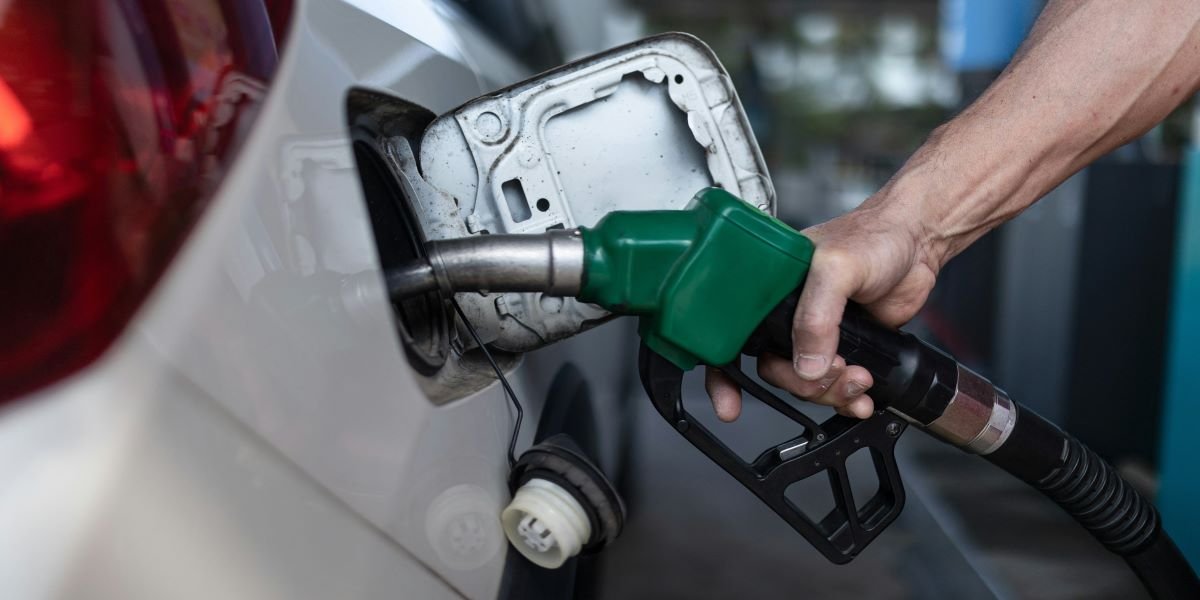
The U.S. average price for regular gasoline was $4.33 a gallon in September 2026, according to AAA, a record for the month and 50 cents above the previous September high set in 2023. Prices eased to $4.37 by October 4, but drivers are still paying about $1.21 more per gallon than a year ago.
Key Takeaways
- AAA’s national average for regular gasoline was $4.3697 on October 4, down from $4.4825 on September 24.
- A year ago, the national average was about $3.16 a gallon.
- The U.S. Energy Information Administration’s weekly diesel average reached $6.529 for the week of September 21, the highest nominal reading since EIA began the series in 1994.
- Diesel eased to $6.382 for the week ending September 28 but remains far above year-ago levels.
- California’s average price for regular gasoline topped $6 a gallon, while Indiana was among the cheapest states at about $3.79 as of October 2.
- Fuel was the cost most often cited by services businesses in the Institute for Supply Management’s September survey, mentioned twice as often as any other issue.
A Record September for Gasoline Prices
AAA’s monthly data shows September 2026 above any previous September. The $4.33 average beat 2023’s $3.83 by half a dollar, and the national average reached $4.48 on September 24, the highest AAA has recorded for that time of year.
Prices have dropped since then. By October 1, the average had fallen nearly 7 cents in a week to $4.41, and it reached $4.37 on October 4. AAA said crude oil had fallen back into the $90-per-barrel range, which lowered wholesale gasoline costs.
Even so, prices are far higher than last year. The national average was $3.16 a year ago and $4.10 a month ago. Gasoline is still below its all-time nominal high of about $5.02 a gallon, set in June 2022.
Demand and Supply Both Pulled Back
Energy Information Administration figures cited by AAA showed U.S. gasoline demand falling from 8.84 million to 8.68 million barrels per day in the most recent week. Total domestic gasoline supply fell from 206 million to 204.4 million barrels, and production dropped from 9.59 million to 9.46 million barrels per day.
Lower demand is normal after the summer driving season. With supply and production also falling, the market has less room to absorb disruptions, so prices could rise again if refinery problems or seasonal maintenance tighten supply further.
Diesel Prices Reach New Records
Diesel has risen even faster than gasoline. EIA’s weekly on-highway diesel price passed $6 a gallon in September for the first time and reached $6.529 for the week of September 21, a record since the series began in 1994. It eased to $6.382 the following week.
Diesel powers most trucks, trains, and farm equipment, so higher diesel prices raise the cost of moving almost everything consumers buy. Adjusted for inflation, diesel was more expensive at its 2008 and 2022 peaks. In nominal terms, however, the 2026 prices are a record, and they are affecting freight costs in every region.
What High Fuel Prices Mean for Household Budgets
For drivers, the year-over-year increase adds up. A 15-gallon fill-up at the October 4 national average costs about $65, roughly $18 more than the same fill-up a year ago. For a household that fills up once a week, that is more than $70 a month in extra fuel costs.
Higher fuel costs also reach households through other prices. In ISM’s September services survey, the Prices Index rose to 74.0, a level last seen in July 2022, and respondents said fuel and freight costs were their top pressures. A retail respondent said overseas shipping containers now cost twice as much as before. Those costs typically show up in store prices over the following months.
The Bureau of Labor Statistics reported that average hourly earnings rose 3.0% over the past 12 months, while regular gasoline prices are up more than 38% from a year ago. That gap reduces how much households have left for other spending.
Big Differences Between States
Where people live makes a large difference in what they pay. California’s average for regular gasoline was more than $6 a gallon, about 45% above the national average. Hawaii, Washington, Nevada, and Oregon were also among the most expensive states in late September. Indiana and other Midwestern and Southern states were below $4.
Diesel prices vary even more. California’s diesel average was above $8 a gallon in late September, while Gulf Coast states were closer to $6.
Holiday Travel and the Weeks Ahead
Gas prices usually fall in October and November as demand drops after summer and refiners switch to cheaper winter-blend fuel. If that pattern holds, drivers could see some relief before Thanksgiving, when AAA typically projects heavy road travel. The current level, however, means even a normal seasonal decline would leave holiday travelers paying much more than in 2025.
The EIA’s weekly retail price updates and AAA’s daily national average will show whether the decline continues. AAA’s next weekly gas price release is expected Thursday, October 8.
FAQs
What Is the National Average Gas Price Right Now?
AAA’s national average for regular gasoline was $4.3697 a gallon on October 4, 2026, down from $4.4825 on September 24.
Did Gas Prices Set a Record in September 2026?
Yes. AAA reported a September average of $4.33 a gallon, a record for the month and 50 cents above the previous September high of $3.83 in 2023.
How High Are Diesel Prices in 2026?
EIA’s weekly national diesel average reached $6.529 a gallon for the week of September 21, 2026, a nominal record, before easing to $6.382 the following week.
Which State Has the Highest Gas Prices?
California had the highest average price for regular gasoline, above $6 a gallon in late September and early October 2026.
Are Gas Prices Expected to Drop Before the Holidays?
Gas prices usually ease in the fall as demand falls and stations switch to winter-blend fuel, but prices are still well above last year’s levels.