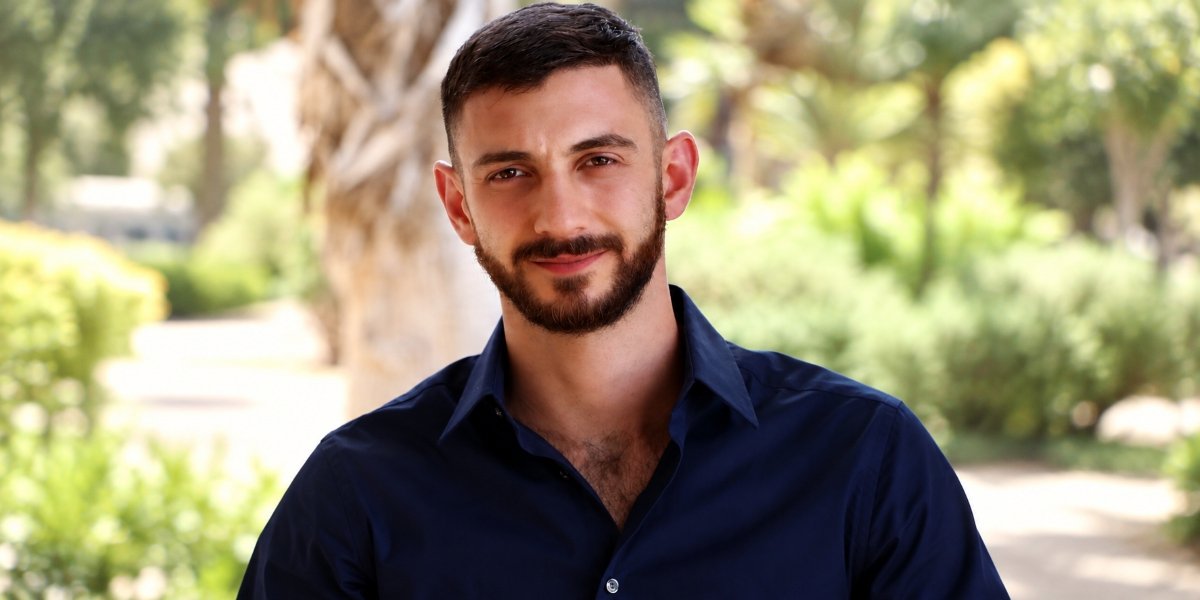
The transition from military service to civilian life presents numerous opportunities for veterans to apply their unique skills and experiences in various fields. One area where veterans can make a significant impact is environmental conservation. The discipline, leadership, teamwork, and problem-solving abilities honed in the military can be invaluable assets in efforts to preserve and protect our natural world. Individuals like Dominic Tria, who have served in the military and are passionate about the outdoors, exemplify how veterans can contribute to environmental stewardship.
The Foundation of Military Training
Military training instills a sense of discipline, respect for procedures, and an understanding of the importance of following through on missions. These qualities are directly transferable to environmental conservation projects, where adherence to protocols and a commitment to achieving objectives are crucial. Veterans often emerge from service with a strong work ethic and the ability to perform under pressure, skills that are highly beneficial in time-sensitive and mission-critical conservation efforts.
Leadership and Teamwork
One of the most valuable assets that veterans bring to environmental conservation is their leadership experience. Leadership in the military is not just about giving orders; it’s about inspiring a team, making strategic decisions, and ensuring the well-being of team members. These aspects of leadership are vital in conservation projects, where teamwork and collaboration are necessary to tackle complex environmental issues. Moreover, veterans understand the importance of cohesive teamwork and clear communication, enabling them to work effectively with diverse groups of people toward a common goal.
Problem-Solving and Adaptability
The unpredictable nature of military missions requires soldiers to develop excellent problem-solving skills and adaptability. These traits are equally important in environmental conservation, where projects often face unforeseen challenges and changing conditions. Veterans are trained to assess situations quickly, adapt their strategies, and find creative solutions to problems, making them well-suited for roles in conservation where flexibility and ingenuity are key.
Technical and Tactical Skills
Military service involves the use of advanced technologies and tactics, many of which have applications in environmental conservation. For instance, skills in navigation, logistics, and the operation of complex machinery can be beneficial in conservation efforts, such as wildlife tracking, habitat restoration projects, and the management of protected areas. Dominic Tria‘s background as a Datacenter Operations Manager in the Navy, for example, provided him with a deep understanding of technology and systems management, skills that can be leveraged in environmental data analysis and conservation technology initiatives.
A Personal Commitment to the Environment
For many veterans, the motivation to engage in environmental conservation comes from a personal commitment to protecting the natural landscapes they have come to cherish. Dominic Tria, with his deep connection to the outdoors and involvement in volunteer conservation efforts, represents the potential for veterans to channel their appreciation for nature into meaningful conservation work. This personal connection to the environment, combined with their military training, positions veterans uniquely to contribute to and lead initiatives that safeguard our planet’s natural resources.
Veterans in Conservation: A Growing Movement
Recognizing the value that veterans bring to environmental conservation, numerous organizations and programs have been established to facilitate this transition. These initiatives provide veterans with the training and opportunities to apply their skills in conservation, wildlife management, and ecological restoration projects. By participating in these programs, veterans can continue their service to the community in a new capacity, contributing to the vital work of preserving the environment for future generations.
Conclusion
The journey from military service to environmental stewardship is a path rich with opportunities for veterans to make a positive impact. The skills and values developed in the military—discipline, leadership, teamwork, problem-solving, and a commitment to the mission—are remarkably aligned with the needs of environmental conservation efforts. As exemplified by many veterans, they have the potential to become influential stewards of the environment, applying their unique capabilities to protect and preserve the natural world. Through their continued service in conservation, veterans can play a crucial role in addressing some of the most pressing environmental challenges of our time.
Published by: Martin De Juan