The American restaurant industry is heading into fall 2026 with a menu landscape shaped by three converging forces: the continued dominance of sourdough across bakery and pizza categories, the elevation of comfort food staples like smashed burgers through global flavor techniques, and a measurable shift in consumer beverage preferences toward low- and no-alcohol options. Data from Yelp, the National Restaurant Association, and OpenTable collectively paint a picture of an industry that is leaning into nostalgia while layering on complexity — giving diners food that feels familiar but tastes like something they have not had before.
Key Takeaways
- Yelp’s 2026 Trend Forecast reports rising search interest in sourdough bread, cinnamon rolls, sourdough pizza, and sourdough classes, based on year-over-year search data from September 2024 through August 2025.
- The National Restaurant Association’s 2026 What’s Hot Culinary Forecast, surveying nearly 300 chefs and industry operators, names smashed burgers, miso-glazed proteins, and nostalgic comfort food with global twists as the year’s leading menu drivers.
- OpenTable’s 2026 Dining Trends Report found that Americans plan to dine out an average of 10 times per month, with 55% saying they will spend more on restaurants than the prior year; dining was up 8% year-over-year in 2025.
- Analysis of over 2 million U.S. diner reviews on OpenTable identified the most-mentioned trending ingredients: matcha (+88% year-over-year), hand rolls (+78%), seaweed (+66%), spicy rigatoni (+56%), and Basque cheesecake (+44%).
- Approximately 40% of U.S. consumers now report following a sober-curious lifestyle, accelerating adoption of low- and no-alcohol beverages and savory cocktails on restaurant menus nationwide.
Sourdough Moves From Pandemic Project to Permanent Menu Category
Sourdough’s grip on the American food landscape has not loosened since the pandemic-era baking surge first pushed the category into mainstream consciousness. What began as a quarantine hobby — millions of Americans maintaining starters in their kitchens during 2020 lockdowns — has calcified into a durable commercial trend that extends well beyond artisan bakeries. Yelp’s 2026 Trend Forecast, which tracks consumer search behavior across the platform, reports rising year-over-year interest in sourdough bread, sourdough cinnamon rolls, sourdough pizza, and sourdough-making classes for the period of September 2024 through August 2025.
The expansion of sourdough into pizza and pastry categories signals that the ingredient has moved past its identity as a standalone bread product and into a broader role as a flavor and texture platform. Sourdough pizza, which uses a naturally fermented dough that produces a tangier, more complex crust than conventional pizza dough, has appeared on menus at independents and regional chains alike. Sourdough cinnamon rolls use the same fermentation process to add depth to what is already one of bakery’s most reliable sellers. The demand for sourdough classes, meanwhile, suggests that the at-home baking audience that emerged during the pandemic has not disappeared — it has simply matured into a consumer segment that wants to refine its technique rather than abandon the hobby.
Penn State Extension’s 2026 food trends analysis noted that sourdough “shows no sign of fading” and flagged the category as an opportunity for farm markets, bakeries, and community-supported agriculture programs to build content and product lines around an ingredient that consumers are actively seeking out. The trend connects to a broader consumer appetite for fermentation across the food landscape, from kimchi and kombucha to the miso-glazed proteins that are showing up on restaurant menus this fall.
Smashed Burgers and Miso Glaze Represent Comfort With Complexity
The National Restaurant Association’s 2026 What’s Hot Culinary Forecast, which surveyed nearly 300 professional chefs and industry operators, identified a defining tension in this year’s menu cycle: diners want comfort food, but they want it to surprise them. The report placed smashed burgers, miso-glazed proteins, and nostalgic dishes reimagined with global flavor profiles at the trend list.
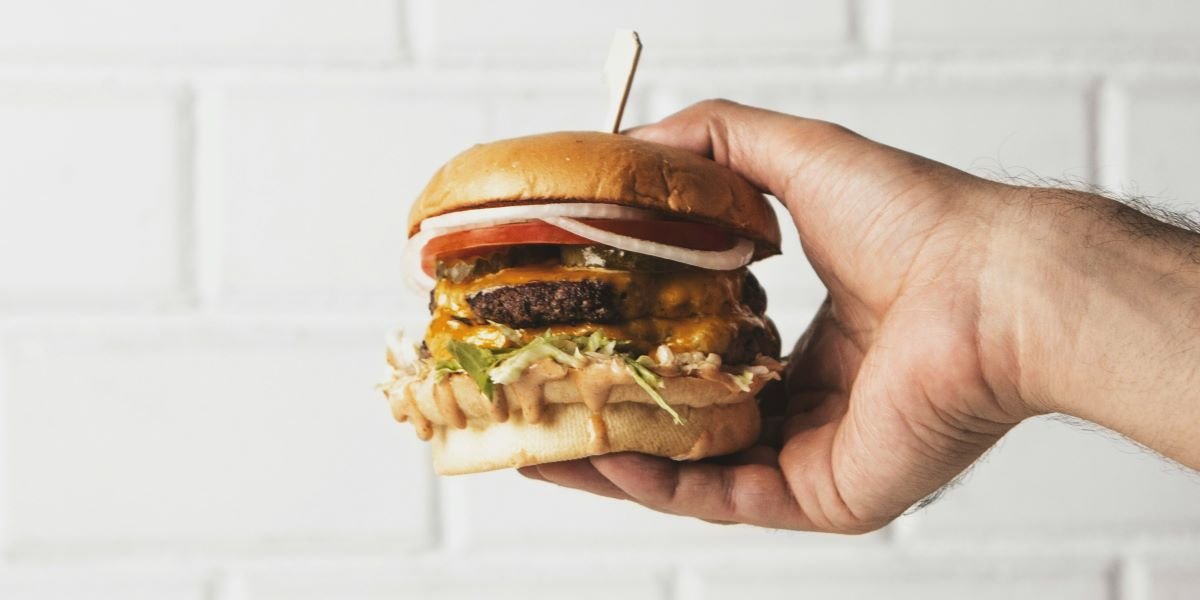
The smashed burger has already graduated from food truck novelty to mainstream menu anchor, propelled by social media — particularly TikTok, where the thin, crispy-edged patty has generated billions of views. The National Restaurant Association’s forecast notes that the challenge for operators is to make one of America’s most familiar comfort foods feel new and globally relevant at the same time. The answer, in many cases, has been format hybridization: smashed burger tacos, smashed burger banh mi, and smashed burger rice bowls that use the patty as a protein component within a non-American format. The technique makes the burger feel adventurous without sacrificing the familiarity that draws diners to it in the first place.
Miso-glazed proteins sit at a different point on the spectrum. Miso paste, a fermented staple made from soybeans, koji, salt, and sometimes grains, adds umami depth to fish, poultry, pork, and plant-based proteins. The National Restaurant Association’s forecast highlights miso glaze as a technique that brings complexity and perceived healthfulness to a range of proteins, making it viable at fine-dining establishments, casual concepts, and quick-service restaurants alike. The trend reflects the broader influence of Japanese culinary technique on American menus — a current that has also driven the rise of hand rolls, which appeared in OpenTable’s trending ingredient data at +78% year-over-year in diner reviews.
These menu shifts reflect a broader pattern in which restaurants at every tier of the industry are rethinking how they present familiar formats to match evolving consumer expectations around flavor, ambiance, and dining experience.
OpenTable Data Shows Americans Dining Out More and Spending More
The menu innovation is arriving in front of a consumer base that is, by the numbers, still showing up. OpenTable’s 2026 Dining Trends Report, the platform’s most comprehensive outlook to date, found that Americans plan to dine out an average of 10 times per month in 2026. More than half — 55% — said they expect to spend more on restaurants this year than last year. Those figures follow a 2025 in which dining activity on the OpenTable platform was up 8% year-over-year, indicating that the post-pandemic restaurant recovery has moved past the rebound phase and into sustained growth territory.
OpenTable CEO Debby Soo described the findings as good news for an industry that has spent the past several years navigating labor shortages, supply chain disruptions, and inflation-driven cost increases. “Our new research shows that people continue to make room in their lives and budgets for dining out,” Soo said in a November 2025 statement accompanying the report’s release.
The platform’s analysis of more than 2 million U.S. diner reviews revealed which ingredients and dishes are generating the most conversation. Matcha led with an 88% year-over-year increase in mentions, followed by hand rolls (+78%), seaweed (+66%), spicy rigatoni (+56%), and Basque cheesecake (+44%). The data suggests that Asian-influenced ingredients and preparations continue to gain share of the American dining vocabulary, a trajectory that has been building for several years but is now showing up in mainstream review language rather than niche food media.
At the same time, OpenTable’s consumer research surfaced a parallel appetite for nostalgia. When asked which dishes they most want to see on menus in 2026, Americans named chicken pot pie, meatloaf, and shrimp cocktail — comfort food classics that carry generational memory and require no explanation. The coexistence of matcha and meatloaf on the same wish list captures the duality that defines the current dining moment: consumers want to explore and they want to return home, sometimes in the same meal.
Sober-Curious Dining Reshapes the Beverage Menu
The food side of the menu is not the only category undergoing a structural shift. Approximately 40% of U.S. consumers now report following a sober-curious lifestyle, according to industry data compiled by the SRG Group and cited in Prepared Foods’ 2026 dining trends analysis. The figure represents a consumer cohort large enough to reshape how restaurants approach their beverage programs, and the effects are visible across the industry from craft cocktail bars to fast-casual chains.
Low- and no-alcohol beverages have moved from a niche accommodation for designated drivers into a revenue category that operators are building around. The trend has accelerated the development of spirit-free cocktail menus, non-alcoholic beer and wine programs, and functional beverages that incorporate adaptogens, botanicals, and fermented ingredients. The Prepared Foods analysis noted that spicy margaritas have dominated cocktail menus in recent years, and the 2026 cycle is expected to extend that heat-driven flavor profile into savory, smoky, salty, and sour cocktail formats that deliver complexity without relying on alcohol as the primary flavor carrier.
Shots, somewhat unexpectedly, are also making a comeback — but in a repackaged format that emphasizes playfulness and shareability. Bad Roman in New York City offers a “Carpool” flight of Italian-themed shots named after car brands: a Ferrari with Fernet and Campari, a Maserati with Mezcal and Ramazzotti, a Fiat with Jameson and Moretti, and a Lamborghini with vodka and limoncello. The format turns the shot from a quick gulp into a group experience with a narrative, which aligns with the broader trend toward experiential dining that has been reshaping how restaurants think about service, presentation, and guest engagement.
Local Sourcing and Fermentation Anchor the Sustainability Conversation
Behind the trending dishes and buzzy ingredients, the National Restaurant Association’s forecast identified local sourcing and fermentation as the operational trends that are quietly reshaping kitchen practices. The report noted that restaurants are deepening community ties by featuring ingredients from nearby farms, a shift that serves both the consumer desire for transparency and the operator’s need to manage supply chain risk in an environment where global logistics remain unpredictable.
Fermentation, which connects sourdough, miso, kimchi, and the vinegar-based condiments appearing on craft menus, is being adopted not just as a flavor tool but as a waste reduction strategy. Chef Haluk Ozyilmaz of Dalida in San Francisco told the James Beard Foundation that his pantry includes fruit vinegars made from kitchen trim and cultured chili pastes produced from seasonal gluts. “Fermentation lets a cook express time, place, and scarcity all at once,” Ozyilmaz said, describing an approach that turns perishable surplus into a preserved product with a shelf life measured in months rather than days.
The sustainability angle matters to consumers, but the National Restaurant Association’s report cautioned that it must be communicated clearly and specifically rather than presented as a vague claim. Diners in 2026 respond to concrete sourcing stories — the name of the farm, the distance from the restaurant, the specific practice that makes the ingredient different — rather than generic labels like “sustainable” or “eco-friendly” that have lost their precision through overuse.
What Operators Are Watching Through Year-End
The fall menu cycle sets the table for the holiday season, which for restaurants represents the single highest-revenue period of the year. Operators building their November and December menus are watching several variables: whether the consumer spending resilience captured in OpenTable’s data holds through the fourth quarter, how far diesel and transportation costs push food input prices before they hit the plate, and whether the sober-curious trend translates into lower per-check beverage revenue that offsets the gains from higher visit frequency.
For now, the data points in the same direction. Americans are dining out frequently, spending more per visit, seeking flavor complexity within familiar formats, and increasingly choosing not to drink alcohol when they do. The restaurants that capture the most value from this moment will be the ones that read the data correctly — and then put something on the plate that the data alone could not have predicted.
FAQs
What Are the Restaurant Food Trends for Fall 2026?
The National Restaurant Association’s 2026 What’s Hot Culinary Forecast names smashed burgers, miso-glazed proteins, and nostalgic comfort food with global flavor twists as the year’s leading menu trends. Yelp’s 2026 Trend Forecast highlights sourdough across bread, pizza, pastry, and cooking class categories. OpenTable’s review data shows matcha, hand rolls, seaweed, spicy rigatoni, and Basque cheesecake as the fastest-growing ingredient mentions in diner reviews.
How Often Are Americans Dining Out in 2026?
OpenTable’s 2026 Dining Trends Report found that Americans plan to dine out an average of 10 times per month in 2026, with 55% saying they expect to spend more on restaurants than the prior year. Dining activity on the OpenTable platform was up 8% year-over-year in 2025, indicating sustained growth beyond the post-pandemic recovery period.
What Is Driving the Low-Alcohol and No-Alcohol Trend on Restaurant Menus?
Approximately 40% of U.S. consumers now report following a sober-curious lifestyle, according to industry research. The shift has pushed restaurants to develop spirit-free cocktail programs, non-alcoholic beer and wine selections, and functional beverages featuring adaptogens and botanicals. Savory, smoky, and spicy cocktail profiles are expanding across menus as operators seek to deliver flavor complexity without relying on alcohol.
What Are the Most-Mentioned Trending Ingredients in U.S. Restaurant Reviews?
OpenTable’s analysis of over 2 million U.S. diner reviews identified the fastest-growing ingredient mentions year-over-year: matcha (+88%), hand rolls (+78%), seaweed (+66%), spicy rigatoni (+56%), and Basque cheesecake (+44%). The data reflects the continued influence of Asian culinary techniques and ingredients on mainstream American dining.
SEO Title: Fall 2026 Restaurant Trends: Sourdough, Smashed Burgers, Miso Glaze
Meta Description: Sourdough, smashed burgers, and miso-glazed proteins lead fall 2026 menus as OpenTable data shows Americans dining out 10 times a month and 40% going sober-curious.
Slug: fall-2026-restaurant-menu-trends-sourdough-smashed-burgers-miso
Focus Keyphrases: fall 2026 restaurant food trends, sourdough smashed burger miso menu trends 2026, restaurant dining trends 2026 OpenTable Yelp
Unsplash Keywords: smashed burger close up restaurant, sourdough bread artisan bakery, restaurant table plating food, craft cocktail bar ingredients