By: Status: Home
In Atlanta, the crisis of homelessness is often seen as a housing issue, and the HIV epidemic as a medical one. But for people navigating both, the line between the two often becomes blurred. Status: Home, Atlanta’s oldest and largest housing provider for individuals and families affected by HIV/AIDS, has long worked at the intersection where housing meets healthcare, recognizing, well before many policymakers did, that without stable housing, care often struggles to take hold. The organization operates at this intersection, where housing meets health, and where stability can become the first step toward healing.
Serving nearly 500 residents annually, Status: Home offers more than shelter. It provides a foundation for treatment, wellness, and dignity. Through supportive housing and wraparound services, the organization addresses a deeply rooted, often overlooked truth: HIV outcomes are not just about access to medicine. They’re about access to home.
Where Instability Fuels Illness
HIV doesn’t just weaken immune systems; it can also exploit instability. Individuals living with the virus who also experience housing insecurity are generally less likely to maintain consistent care, take antiretroviral medication, or attend routine medical appointments. They are more likely to suffer from untreated mental health issues, substance use, and overall health deterioration. The virus doesn’t just weaken bodies; it can feed on instability. Without a steady place to live, the odds of successful treatment become significantly more challenging.
That’s where Status: Home steps in, offering permanent supportive housing intentionally designed for Atlantans living with HIV and facing poverty or homelessness. Their model is both compassionate and practical. It starts by removing the barriers that prevent people from staying healthy, and builds up from there, with care coordination, healthcare access, and a pathway to long-term stability.
Leading with Vision: The Role of Maryum Phillips
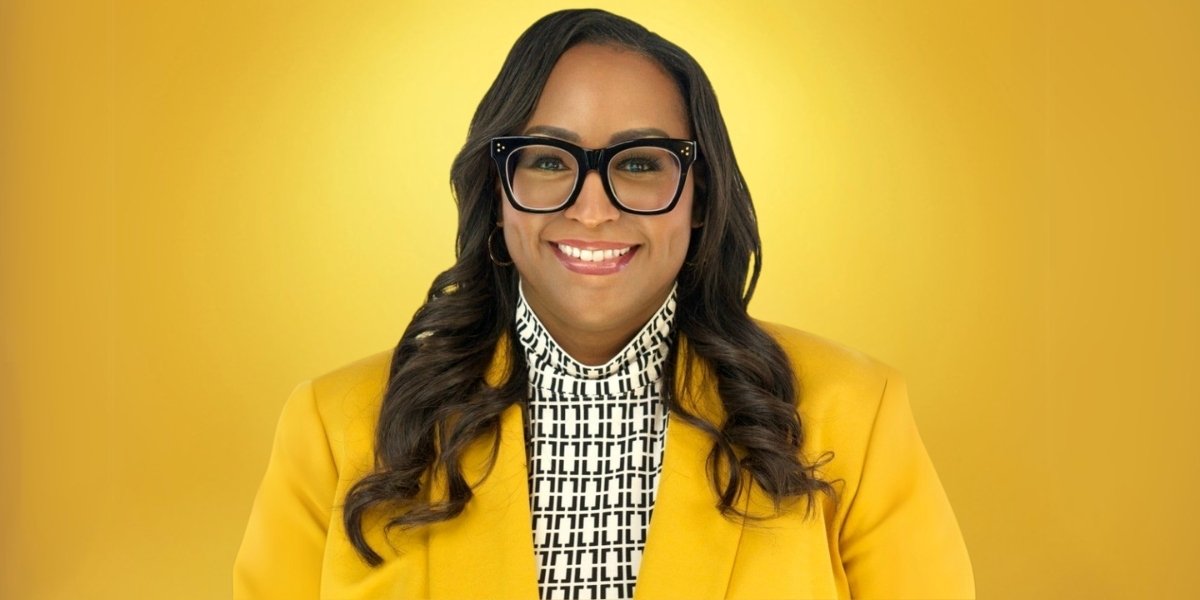
Guiding this mission is President and CEO Maryum C. Phillips, a nationally recognized nonprofit leader who has helped bring strategic growth and renewed visibility to Status: Home since stepping into the role in 2021. With over two decades of leadership experience in fundraising and organizational development, Phillips leads with both rigor and heart. She also serves as Chair of the Board for the National HIV/AIDS Housing Coalition, leveraging Atlanta’s model to advocate for national policy reform.
Under Phillips’ leadership, the organization has taken notable steps to meet Atlanta’s rising housing costs head-on. In the past two years, Status: Home acquired five apartment buildings, an intentional move to ensure long-term affordability and resident control. “When we own the buildings, we can influence the outcomes,” she said in internal conversations. That ownership translates into stability, lower operating costs, and environments designed for care, not crisis.
A New Name for a Renewed Mission
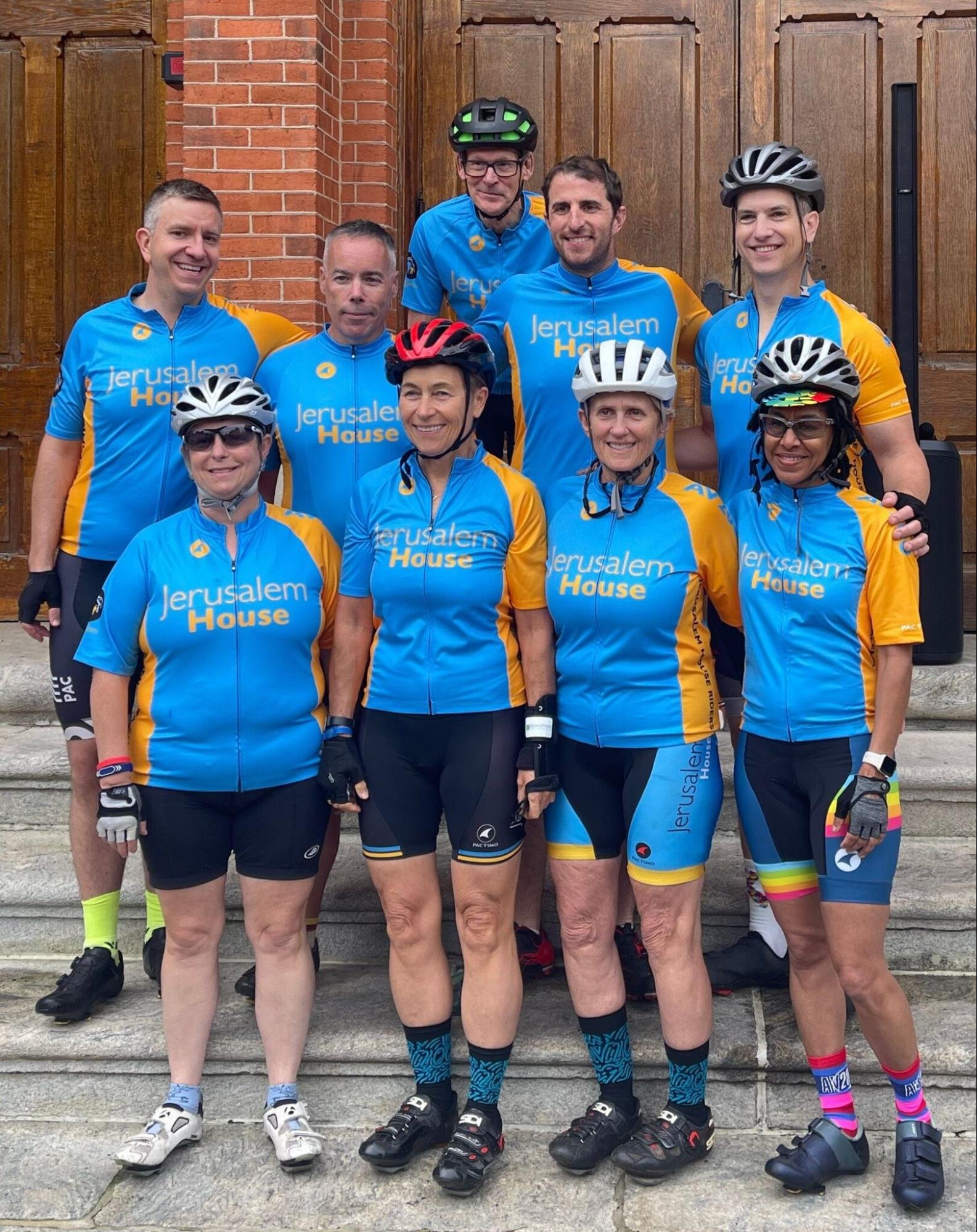
In 2023, the organization adopted a new name: Status: Home. Formerly known as Jerusalem House, the rebrand clarified its identity and mission for a broader audience. While the original name reflected peace, it also occasionally caused confusion about the organization’s non-religious nature. The new name brings sharper focus to the work and to the people they serve.
“Status” refers both to HIV status and to one’s social and housing status, a recognition that people are more than diagnoses or demographics. The name is also a call to action: to move people out of survival mode and into a place where they have the potential to thrive. Around the time of the rebrand, Status: Home also worked with the Atlanta City Council to rename a street from “Dixie Street” to “Ullman Court,” honoring founder Evelyn Ullman. The symbolism was clear: new names, new legacies, new futures.
Healing Happens Here
While the organization’s impact can be measured in numbers—five buildings, 45 staff members, and a $9.7 million annual budget—the deeper story lies in personal transformation. Status: Home residents aren’t just stabilized; they’re supported. Many regain their health, rebuild relationships, re-enter the workforce, and reclaim their lives. The organization’s team is described by three words: strong, caring, and knowledgeable, values that are reflected in every client success story.
These outcomes are possible because the agency goes beyond crisis intervention. It offers consistency, community, and connection. For residents, having a front door that locks, a bathroom that’s theirs, and case managers who show up day after day creates a sense of normalcy that becomes the foundation for everything else: medication adherence, mental health stability, even joy.
Local Solutions, National Lessons
Status: Home focuses exclusively on Atlanta, but its work is considered nationally significant. It stands as a potential blueprint for how to address the twin epidemics of HIV and housing insecurity, showing that local models, when done well, may drive federal conversations. Through Phillips’ leadership on the national board, the organization is influencing how housing is viewed in the broader HIV response: not as charity, but as a strategy.
Much of Status: Home’s funding comes from federal programs like HOPWA (Housing Opportunities for Persons with AIDS), alongside city and county government support, and contributions from private donors, foundations, and faith communities. It’s a patchwork that requires constant stewardship and evidence of impact. What Status: Home has shown is that when funding meets the right model, it can do more than just keep the lights on—it has the potential to change lives.
Housing Is More Than Shelter—It’s Medicine
HIV cannot be treated in isolation. Clinical care alone is unlikely to be effective when someone is sleeping on a sidewalk or cycling through shelters. What organizations like Status: Home demonstrate is that permanent housing isn’t just a social service; it’s a form of preventative care. And it’s showing positive results.
As cities nationwide face overlapping crises of housing, public health, and poverty, Status: Home offers a practical and human-centered model. It invites decision-makers to rethink what it means to care for people living with HIV, and reminds them that care starts not with prescriptions, but with a key and a door.
To learn more about how housing can transform HIV care, visit statushome.org. With every door opened, Status: Home is working to demonstrate that stable housing is one of the most powerful tools in public health. It’s not just about shelter, it’s about restoring the safety, dignity, and opportunity everyone deserves.
Disclaimer: This article is for informational purposes only and is not a substitute for professional medical, legal, or financial advice. Results and outcomes discussed may vary depending on individual circumstances. For more specific information or advice, it is recommended to consult a healthcare professional, legal advisor, or other appropriate expert.