By: Elowen Gray
What makes a thriller unforgettable is not just the danger; it’s the people facing it. In The Fifth Plane by Val Walker, the story’s true power lies in its characters. Across both volumes, readers are introduced to individuals shaped by discipline, belief, fear, and obsession. Their decisions, reactions, and internal conflicts transform this work into a psychological thriller driven by character rather than spectacle.
Kelly Hunter: Control Under Fire
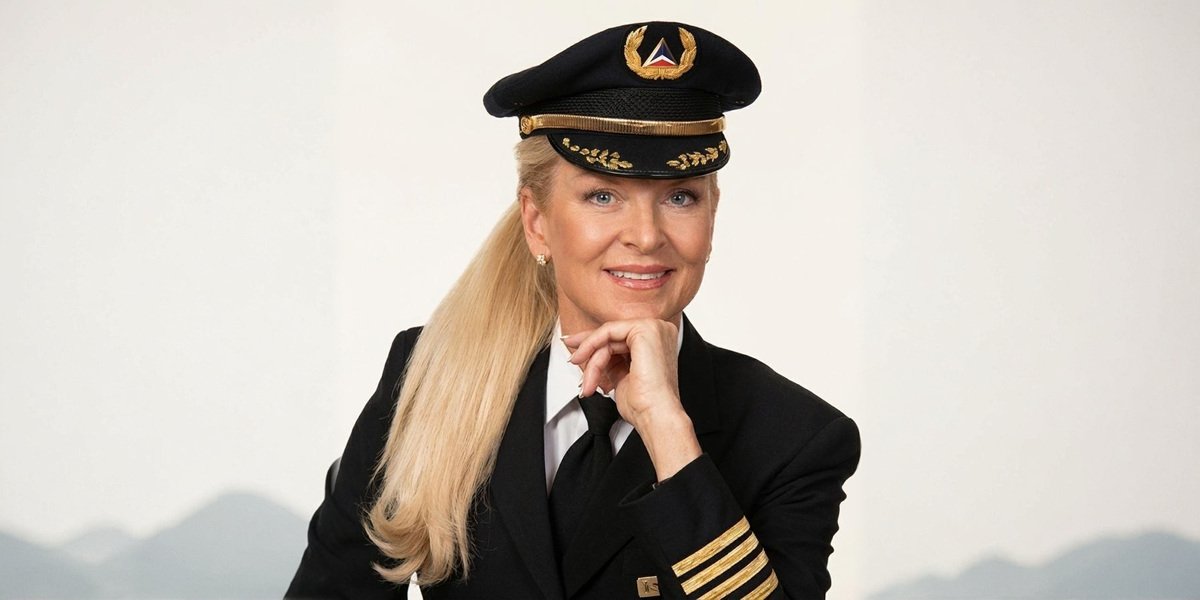
At the heart of Volume I is Kelly Hunter, a pilot defined by precision and instinct. She is not introduced as a hero in the traditional sense; she becomes one through action. When faced with extreme turbulence and near catastrophe, her response is immediate, calculated, and grounded in experience.
For readers who follow thriller authors closely, Kelly stands out because she feels real. Her authority in the cockpit, her frustration with poor decisions, and her refusal to surrender control all contribute to a character who carries the narrative without needing exaggeration.
Her presence also strengthens the novel’s position among books about female pilots, offering a portrayal rooted in competence rather than cliché.
Bill Granger: The Weight of Inexperience
Contrasting Kelly is Captain Bill Granger, whose uncertainty becomes part of the tension. His decisions, especially early in the story, highlight how fragile authority can be under pressure.
This dynamic between experience and hesitation adds depth to the narrative, placing it among psychological thriller books that explore external threats and internal conflict together.
Readers of thriller mystery fiction will recognize this balance. The danger sits outside the aircraft and inside the people responsible for flying it.
Mohammed Atta: The Mind Behind the Threat
If Volume I introduces tension, Volume II expands it through the character of Mohammed Atta. He is not written as a distant antagonist but as a calculated, driven individual whose beliefs shape every action.
His perspective adds a disturbing layer to the story. Readers are exposed to planning, ideology, and the psychological framework behind the unfolding events. This is where Val Walker aligns with the expectations set by psychological thriller authors, presenting a character whose motivations are as compelling as they are unsettling.
Atta’s presence transforms the story from a high-stakes aviation narrative into something far more complex.
Marwan and the Supporting Cast: Loyalty and Doubt
Marwan serves as both follower and observer, offering insight into the dynamics between loyalty and hesitation. His interactions with Atta reveal the cracks beneath unwavering belief.
Supporting characters, pilots, crew members, and trainees, further enrich the narrative. Each one contributes to a broader understanding of the environment, whether it’s the disciplined world of aviation or the hidden networks operating in parallel.
This layered approach is what makes the novel stand out among thriller books. No character feels unnecessary. Each plays a role in building the overall tension.
The Intersection of Aviation and Character
What makes these characters even more compelling is the environment they operate in. The aviation setting is not just a backdrop; it actively shapes who they are and how they respond.
For fans of aviation thriller books, this connection between character and setting is essential. The cockpit becomes a space where personality, training, and instinct collide.
This also aligns the novel with books about commercial aviation, where realism enhances the narrative rather than slowing it down. The technical world and the human world exist side by side, each influencing the other.

Growth Across Both Volumes
One of the most impressive aspects of The Fifth Plane is how its characters evolve across both volumes. Volume I focuses on immediate survival and decision-making, while Volume II expands into preparation, ideology, and consequence.
This progression gives the story a broader scope, placing it among aviation fiction books that go beyond isolated events. Instead of a single moment of crisis, readers witness the buildup, execution, and aftermath of something much larger.
That continuity strengthens its standing among aviation fiction titles, offering depth that extends beyond action.
Why These Characters Stay With You
The reason these characters resonate is simple. They feel human. They make mistakes, hold convictions, struggle under pressure, and act in ways that reflect their beliefs.
This is what defines a strong aviation thriller. The stakes are high, but the people feel real. The tension is not just about what happens, but about whom it happens to and why.
For readers exploring thriller novels, The Fifth Plane offers more than suspense. It delivers a character-driven experience where every decision matters and every perspective adds to the whole.
A Story Carried by Its People
In the end, The Fifth Plane is not just about aviation or danger; it is about individuals working inside systems far larger than themselves. Whether it’s a pilot fighting to maintain control or an antagonist orchestrating chaos, the story is driven by people first.
That focus is what gives it a place within aviation thriller books and beyond. It ensures that long after the final chapter, it is not just the events that remain, but the characters who lived through them.
Connect with Val Walker: Val Walker’s author website | Val Walker on TikTok | Val Walker on Facebook | Val Walker on Instagram