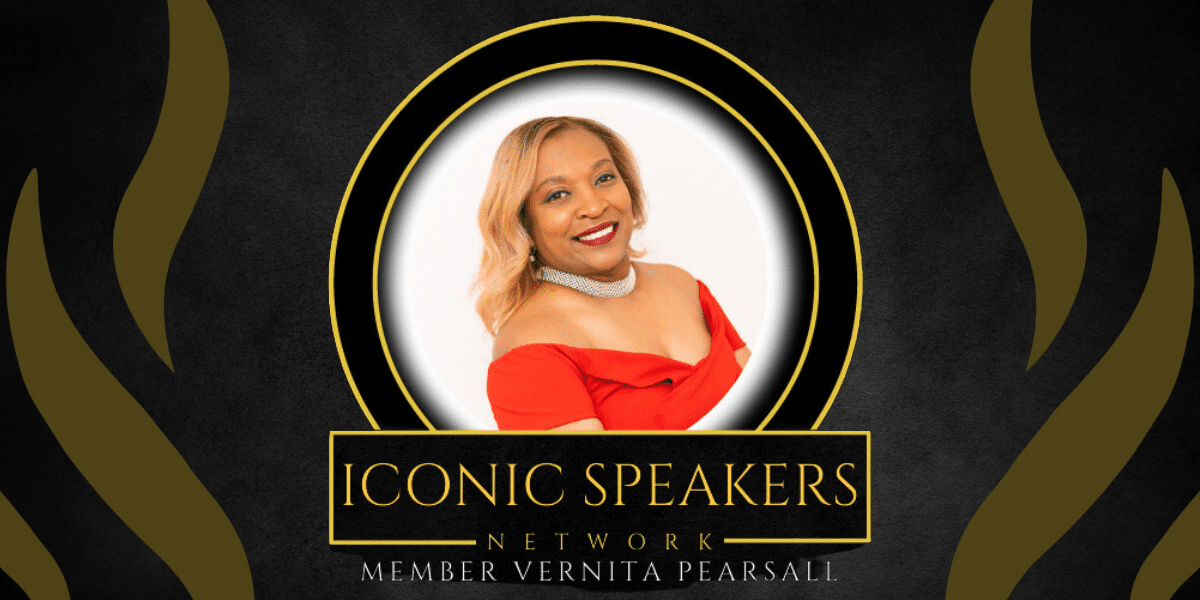
Embarking on a journey toward overcoming infertility can feel like navigating an intricate labyrinth fraught with emotional upheavals and technical complexities. Yet, the essence of this journey transcends these challenges, embodying a quest for understanding, empowerment, and, ultimately, creation. It’s a path that countless individuals and couples embark on, each with their unique aspirations and concerns. In the heart of this expedition lies a beacon of wisdom from Vernita Pearsall, MBA, CMA – “Knowledge is POWER.” As the Director of Operations at Muna Fertility and the visionary behind VP Fertility Coaching and Consulting, Pearsall encapsulates information’s transformative potential in guiding patients through their reproductive health endeavors.
Understanding infertility is not merely about comprehending its medical definitions or statistics; it’s about recognizing its impact on lives—on dreams of family building. This knowledge empowers patients to engage actively with their healthcare providers, crafting treatment plans tailored to their distinct needs and circumstances.
The Prelude to Consultation: Arming Yourself with Information
Before stepping into the office of a reproductive physician, arming oneself with fundamental knowledge about infertility serves as critical preparation. Understanding common causes and treatments available can demystify the process ahead. Infertility is not a monolith; it encompasses various conditions affecting both men and women alike. From hormonal imbalances to physical obstructions in the reproductive system, the causes are as diverse as the individuals they affect.
With a basic understanding, patients are better positioned to articulate their experiences and symptoms. This preliminary self-education fosters an environment where communication flourishes between patient and physician. It transforms consultations into dialogues rather than monologues where questions lead to deeper insights rather than mere procedural overviews.
During Diagnostic Testing: Navigating Through Uncertainty with Grace
For many patients, the diagnostic testing phase is often laden with anticipation and anxiety. Each test seeks answers but also harbors the potential for more questions, a dichotomy that can be emotionally taxing. Herein lies the importance of understanding what each test entails and what outcomes might mean.
Patients who know about procedures such as semen analysis, ovulation tracking, or hysterosalpingography (HSG) are not just passive care recipients; they are informed participants in their health journey. They comprehend that each step brings them closer to clarity regarding their fertility status, a foundational piece upon which treatment plans are built.
Moreover, this understanding equips them to manage expectations, recognizing that some tests may lead to conclusive insights while others might necessitate further exploration.
Crafting a Treatment Plan: A Collaborative Endeavor
Gathering diagnostic insights leads to the pivotal moment of crafting a treatment plan. This stage embodies Pearsall’s ethos that “Knowledge is POWER.” Patients steeped in an understanding of infertility’s nuances are adept at engaging in meaningful discussions regarding their care options.
Treatments range from medication regimes aiming to stimulate ovulation to assisted reproductive technologies (ART) like in vitro fertilization (IVF). Each option carries implications for lifestyle adjustments, financial considerations, and emotional resilience. An informed patient can weigh these factors alongside their physician, ensuring decisions align with medical advisability, personal values, and life circumstances.
This collaborative decision-making process does not imply equal medical expertise but denotes mutual respect for the expertise each party brings—the physician’s clinical knowledge complemented by the patient’s intimate understanding of their body and life situation.
The Power of Questions
Central to effectively navigating one’s fertility journey is embracing curiosity—asking questions at every juncture. Patients equipped with foundational knowledge know which questions pave pathways toward clarity:
“What specific factor(s) contribute to my/our infertility?”
“How does each proposed treatment align with my/our unique circumstances?”
“What lifestyle changes could potentially enhance treatment outcomes?”
Such inquiries do not challenge professional authority but underscore an eagerness for partnership, a shared commitment toward realizing dreams of parenthood.
Key Takeaway
Embarking on a fertility journey underscored by knowledge transforms daunting uncertainties into navigable challenges—it’s about wielding information as both a shield and compass through uncharted territories. Vernita Pearsall’s mantra resonates profoundly within this context: “Knowledge is POWER.” As individuals become proactive participants in their fertility journeys rather than bystanders buffeted by medical jargon and procedures’ complexity—they forge paths imbued with hope rather than hindered by despair.
This empowerment doesn’t negate moments of vulnerability or doubt inherent in confronting infertility. Still, it offers a steadfast anchor—a reminder that through understanding comes strength capable of surmounting even seemingly insurmountable obstacles.
Published by: Martin De Juan