Image commercially licensed from Unsplash
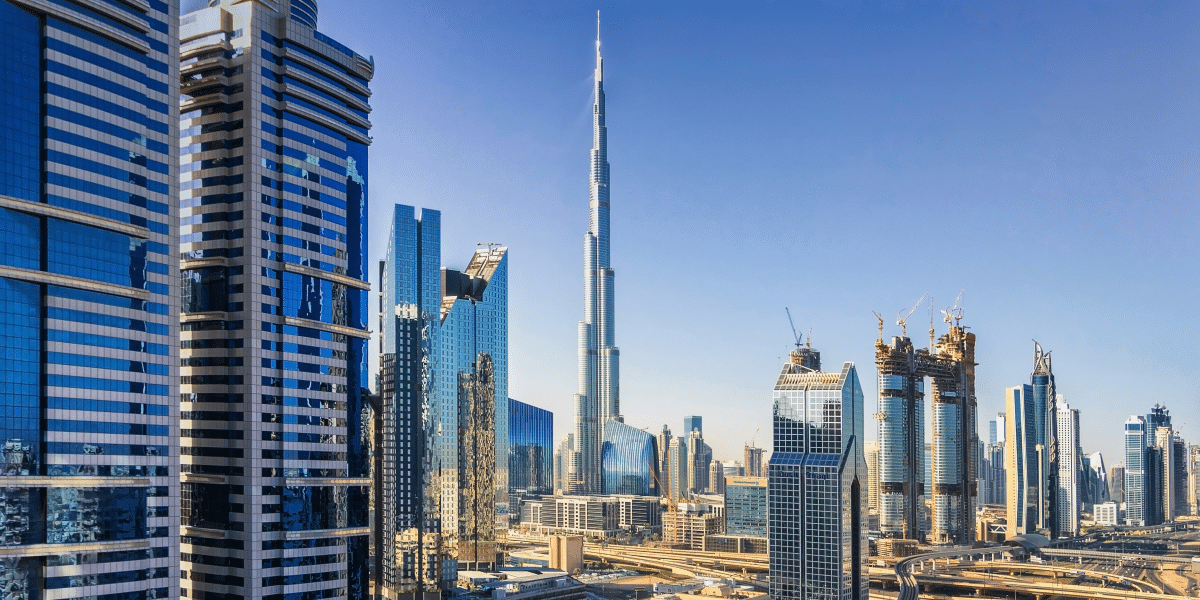
Dubai, renowned for its opulent real estate featuring glamorous penthouses and villas, is now asserting itself as a leading global player in residential property investments, with rental yields surpassing 10% in selected zones.
According to a recent report by Knight Frank, the emirate is labeled a “global outperformer,” underscoring the rising demand for luxury waterfront homes amidst limited supply. In 2023, property prices in Dubai have surged by almost 20% annually, a pace twice as fast as the growth seen last year, positioning Dubai as the second-fastest growing real estate market globally, trailing only behind Turkey. In contrast, the global average for property price growth languishes at a near-decade low of 3-4%.
Despite this remarkable surge in house prices, Dubai’s residential property market is far from overheating. UBS’s latest Global Real Estate Bubble Index, published in September, designates Dubai as one of the world’s safest markets in terms of the risk of a residential property price correction, indicating a reasonably priced market. Inflation-adjusted house prices are still approximately 25% below their 2014 peak. With substantial growth in real incomes and an influx of affluent and skilled migrants, the residential property value in Dubai is expected to maintain its double-digit growth for years to come.
According to a report from Henley & Partners, around 4,500 millionaires are projected to relocate to Dubai this year, and over the last 12 months, the UAE has issued more than 3.4 million new residence permits—equivalent to over a third of its current population.
However, the lucrative investment opportunities in Dubai’s real estate market extend beyond the high-profile villas and penthouses in the city center and Jumeirah. Housearch.com, a leading online property search platform, highlights a “notable shift in housing preferences,” as individuals increasingly seek smaller, more affordable homes in less expensive neighborhoods. According to Housearch.com, areas to the South and South-East of the city center are gaining attention for their growth potential, rebounding in property values and currently standing at about 50% of their 2014 levels.
This trend is supported by data from CBRE Group, a leading real estate investment firm. Neighborhoods like Remraam, Liwan, Discovery Gardens, Motor City, and Dubai Investment Park are particularly noteworthy, providing landlords with remarkable gross rental yields of 9-10%. Paired with anticipated property value appreciation, an investment in buy-to-rent residential property in these neighborhoods could potentially yield an annualized return on capital of around 20%. In contrast, prime locations such as Palm Jumeirah have only offered a 5-6% gross rental yield and are generally considered more vulnerable to market cycles.
While the allure of luxury properties in iconic locations persists, from a buy-to-rent investor perspective, less glamorous areas of Dubai appear to be more rewarding. With robust rental yields and expected property value appreciation, these areas are quickly emerging as the new frontiers in Dubai’s real estate market.