The clock was still running when Ignacio Aguirre saw another student cramping on the ground.
The 17-kilometer mountain run was timed, and every minute mattered. Ignacio had already chosen to remain beside a friend who was struggling rather than running at his fastest possible speed. Stopping to help another participant would cost him even more time.
He stopped anyway.
By the final three kilometers, those choices had caught up with him. The route continued uphill; Ignacio and his friend were exhausted, and neither believed they could still reach the finish line before the deadline. For a moment, continuing seemed pointless.
Then they made a decision: even if they were too late, they would finish what they had started.
As they approached the final stretch, people began cheering. Ignacio realized there might still be time. Drawing on the energy he had left, he pushed towards the finish and crossed the line with just one minute to spare.
The clock recorded that he had completed the run. It did not record the time he had given up to help someone on the ground or his decision to remain beside a friend who needed encouragement.
For Ignacio, that distinction captures what sport should be about. The clock may record the result, but it cannot record the choices an athlete makes along the way. Those choices, he believes, are what reveal true sportsmanship.
The run formed the first stage of Le Rosey’s 23/53 Challenge, a program designed to place students in physically and mentally demanding situations. Later stages included ski touring and rowing. Yet the run stood out because it tested more than Ignacio’s endurance. It placed his own goal directly beside someone else’s need.
That response was not limited to competition. Staff across Le Rosey had noticed the same instinct in the way Ignacio conducted himself throughout the year.
The clearest recognition came when he received the HEART Cup, awarded annually to one boy who best represents honor, engagement, amitié (or friendship), respect and tolerance. Students do not select the winner. Teachers, boarding staff, kitchen workers, cleaning staff and others across the school contribute to the decision.
Ignacio says he had largely forgotten the award existed. When his name was announced at a school dinner, the speech explaining why he had won described him as someone who “consistently does the right thing” and helps others without waiting to be asked.
One decision captured those qualities particularly clearly.
Ignacio had secured a single room, something many students wanted and few received. He had fought hard for it and valued the independence it gave him. But when a friend recovering from surgery needed help with everyday tasks, Ignacio gave up his place and moved in with him, helping him get dressed during his recovery.
To the staff voting for the HEART Cup, the decision reflected the maturity, reliability and kindness they had seen from him throughout the year. For Ignacio, it was more straightforward: his friend needed help, and he was in a position to provide it.
The HEART Cup recognized how he behaved when there was no match to win and no result to protect. Football required him to carry those same qualities into a setting where winning mattered deeply.
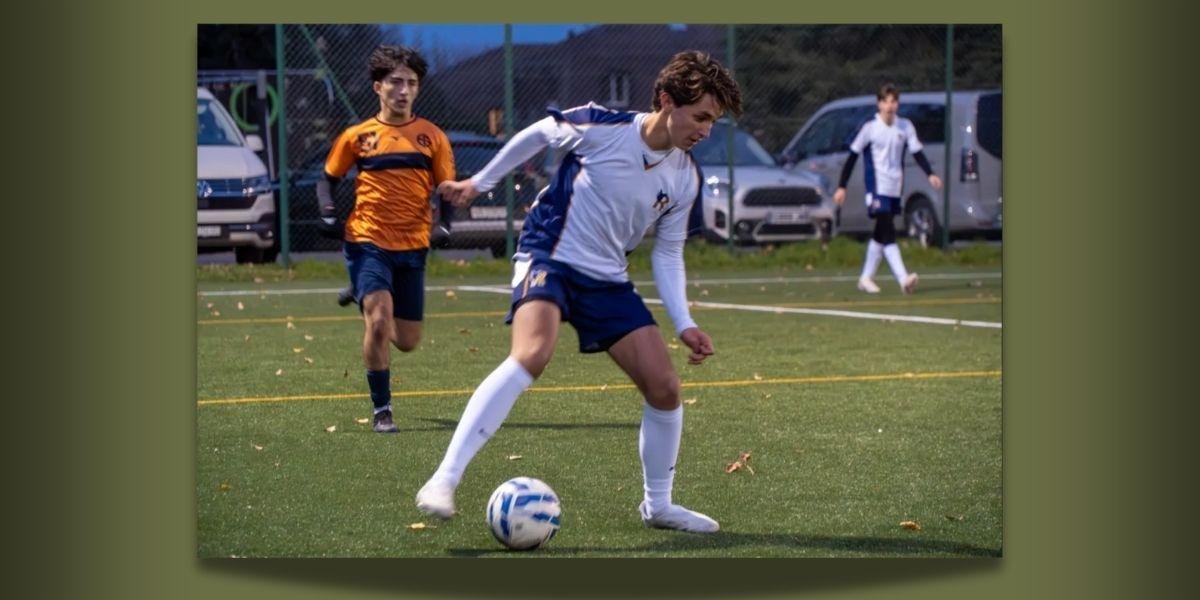
Ignacio has played football for most of his life, and when he joined Le Rosey in 2023, he brought serious competitive ambition. He wanted training to have purpose, tournaments to matter and the coach’s time to be respected. Not every teammate shared that intensity. Many played mainly for enjoyment.
By his third year, Ignacio had become captain. The role required him to think beyond his own performance. He could not simply expect others to care as much as he did. He had to raise the team’s standards without taking away the enjoyment that had brought many players onto the pitch.
He began using his competitiveness to motivate rather than criticize. He encouraged teammates to train with greater focus, remain positive, and take responsibility for the energy they brought to the team. Under his captaincy, the side finished second in one of Le Rosey’s main tournaments and won other competitions during the season.
Ignacio was later named senior Football Player of the Year. He believes the award reflected more than technical ability. “The trophy is also dependent on character, not just football skill,” he says. For him, a strong player can influence a match, but a captain must also influence the confidence and commitment of those around him.
That belief now gives his future a clear direction. Ignacio plans to study sport management and eventually build a sports organization focused on supporting young athletes. He wants to help players strengthen not only their performance, but also the discipline, humility and responsibility that influence how they respond to pressure, lead others and carry themselves beyond the pitch.
Ignacio still wants to win. The 23/53 Challenge, the HEART Cup and Football Player of the Year are all achievements he values. Together, they tell a story that no single result could capture. One tested his endurance, another recognized his ability, and the third reflected the character people across his school had witnessed throughout the year.
The clock could confirm that he had finished, and the trophies could confirm that he had won. But for Ignacio, the most meaningful measure of success lies in what neither can record: the people he chose to support, the standards he helped others reach, and the person he became along the way.