Founded by commercial fisherman Luke Owens, the family-run company connects US households with traceable Alaskan seafood by shortening the path from harvest to home.
Wild-Caught Fish with a Family Story
Before Luke and Eliza Owens built a seafood business, they were schoolteachers in Alaska’s Bristol Bay watershed. During the early years of their marriage, they taught in Port Alsworth and New Stuyahok, started their family, and learned from the Yupik people whose lives have long been tied to the region’s berries, game, and fish.
The experience gave the Owens family a close view of the communities surrounding the world’s largest sockeye salmon run. Even after family life brought them back to Rockford, Michigan, Luke wanted to remain connected to Bristol Bay. He and his father, Paul Owens, purchased a small setnet operation downriver from New Stuyahok, where Luke had served as assistant principal and Eliza had taught.
Paul has returned to fish with Luke every summer since 2015. Eliza and the Owens children are now involved in both the fishing operation and the work of bringing the catch to customers. What began as Luke’s personal connection to Alaska has grown into a multigenerational family business built around wild-caught fish and direct relationships.
Wild-Caught Seafood Delivery with a Shorter Supply Chain
Seafood often passes through multiple hands before reaching a consumer’s kitchen, a process that risks both quality and transparency. According to research, approximately 33% of seafood sold in the United States is mislabeled, creating a significant trust gap for home cooks. Net to Table addresses this by taking a fundamentally different route: the fisher-family model.
Because the Owens family harvests and processes their own Bristol Bay salmon, they eliminate the middlemen often associated with traditional retail. By controlling the cold chain from the moment the fish is flash-frozen at sea to the final delivery, they ensure a direct, transparent supply chain. This vertical integration allows Net to Table to provide traceable, wild-caught salmon at a competitive price, ensuring customers receive premium seafood that is exactly what it claims to be.
For families, the practical appeal is straightforward. A box can stock the freezer for many meals, giving customers a convenient way to purchase fresh seafood online with clear sourcing information. Net to Table’s online seafood delivery service is particularly useful for households outside traditional coastal markets.
That direct model also shapes the company’s product lineup, beginning with the fish at the center of the Owens family’s work in Bristol Bay: sockeye salmon.
Wild Alaskan Sockeye Salmon at the Center

Sockeye remains central to the Owens family’s operation. Luke and Eliza continue to lead the fishing and processing crew in Bristol Bay during the annual salmon run, then sell the catch directly through Net to Table.
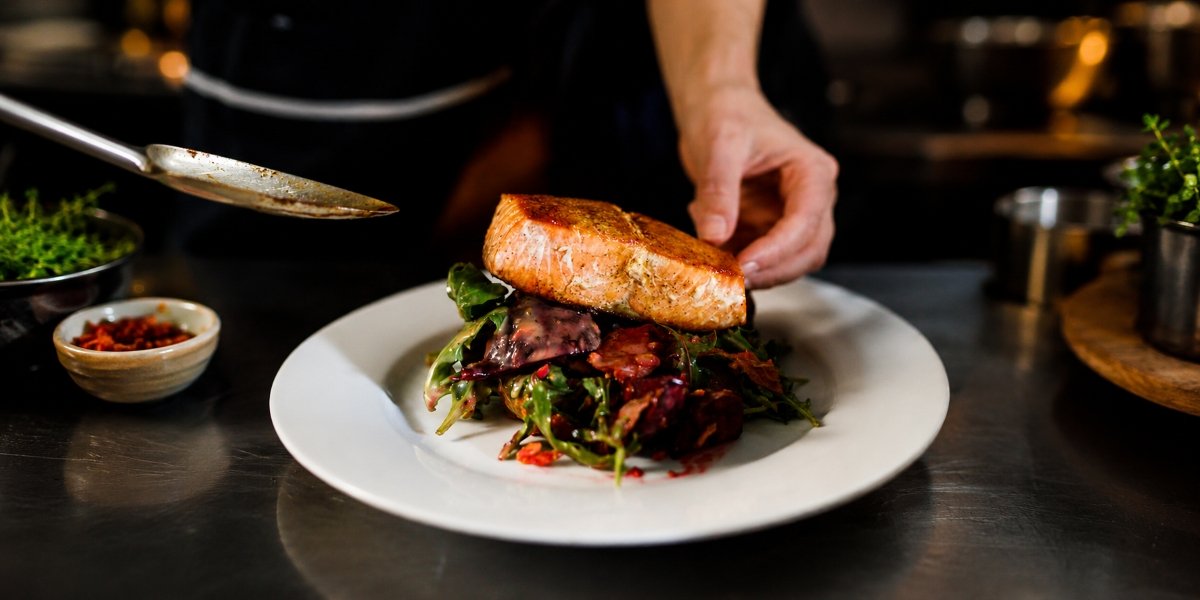
The company offers wild sockeye salmon in one time box purchase and subscription formats designed for home cooks. Its Alaskan sockeye salmon box also gives households a direct way to purchase the fish from the family that harvested it.
Net to Table has also partnered with small-boat fishers like the Kia family in Kodiak and Homer to add halibut, sablefish, rockfish, Pacific cod, and crab to its offerings. The company states that these products come from responsibly managed sources and are not factory-trawl caught.
Online Seafood Delivery with Traceable Sourcing
The business reached an important milestone when Net to Table, alongside Great Northern Seafoods, became one of the first Bristol Bay direct marketers to receive Responsible Fisheries Management Chain of Custody certification for Alaska salmon. That certification supports the company’s emphasis on traceability and responsible sourcing.
For Luke, the goal remains personal. “Together, we nourish your family and care for the oceans that sustain our fisher-family for generations,” he says.
From Alaska classrooms and Bristol Bay fishing sites to Michigan farmers’ markets and family freezers across the country, Net to Table reflects a broader effort to shorten the distance between seafood harvesters and the people they feed. Its direct-harvest model gives customers a clearer view of where their seafood comes from while keeping the business rooted in the family and fishing communities behind the catch.