Virtual reality isn’t just for gaming anymore. Across classrooms, corporate training programs, and professional development spaces, VR is becoming a powerful tool for education. It’s helping learners step inside complex environments, practice real-world skills, and retain information more effectively than traditional methods.
Instead of reading about a surgical procedure, students can perform it virtually. Instead of watching a video on fire safety, trainees can navigate a simulated emergency. These experiences aren’t just more engaging, they’re more memorable. And for educators and employers alike, that’s a game-changer.
Immersive Learning That Sticks
One of the biggest challenges in education is retention. Lectures and textbooks can only go so far, especially for hands-on subjects. VR changes that by offering immersive learning environments where students can interact, experiment, and repeat tasks until they master them.
In trade schools and technical programs, VR allows learners to practice welding, plumbing, or electrical work without the risk of injury or material waste. In healthcare, students can explore anatomy in 3D or simulate patient interactions. Even soft skills like public speaking or conflict resolution are being taught through virtual scenarios.
This kind of experiential learning isn’t just more effective, it’s more inclusive. Students who struggle with traditional formats often thrive in VR environments, where they can learn at their own pace and receive instant feedback. It also helps bridge language barriers and learning differences, offering visual and tactile reinforcement that goes beyond written instruction.
Training That’s Scalable and Safe
For companies, VR offers a scalable way to train employees without disrupting operations. New hires can walk through virtual onboarding sessions, explore company policies, or practice customer service, all without needing a physical classroom or instructor.
Safety training is another area where VR shines. Employees can rehearse emergency procedures, equipment handling, or hazardous scenarios in a controlled virtual space. Mistakes become learning opportunities, not liabilities.
This approach is especially valuable in industries like manufacturing, aviation, and healthcare, where real-world training can be expensive, risky, or logistically complex. With VR, companies can standardize training while tailoring it to individual roles and skill levels. It also reduces travel costs and downtime, making it easier to onboard remote teams or scale operations across multiple locations.
The Role of Virtual Assistants and AI Integration
As VR tools evolve, they’re increasingly being paired with AI to create smarter, more adaptive learning experiences. Virtual assistants are being embedded into training modules to guide users, answer questions, and personalize content based on performance.
This mirrors trends in workplace tech, where virtual assistants in HR and recruitment are already streamlining hiring and onboarding. In education, these assistants can act as tutors, coaches, or even role-play partners, making learning more interactive and responsive.
The integration of AI also allows for real-time analytics. Educators and trainers can track progress, identify gaps, and adjust content dynamically. This kind of feedback loop helps ensure that learners aren’t just completing modules, they’re actually absorbing the material.
AI-powered VR platforms can also adapt to different learning styles. For visual learners, simulations can be rich in imagery and spatial design. For kinesthetic learners, interactive tasks and gesture-based controls offer hands-on engagement. And for auditory learners, voice-guided narration and dialogue-based scenarios enhance comprehension.
VR in Schools, Colleges, and Professional Development
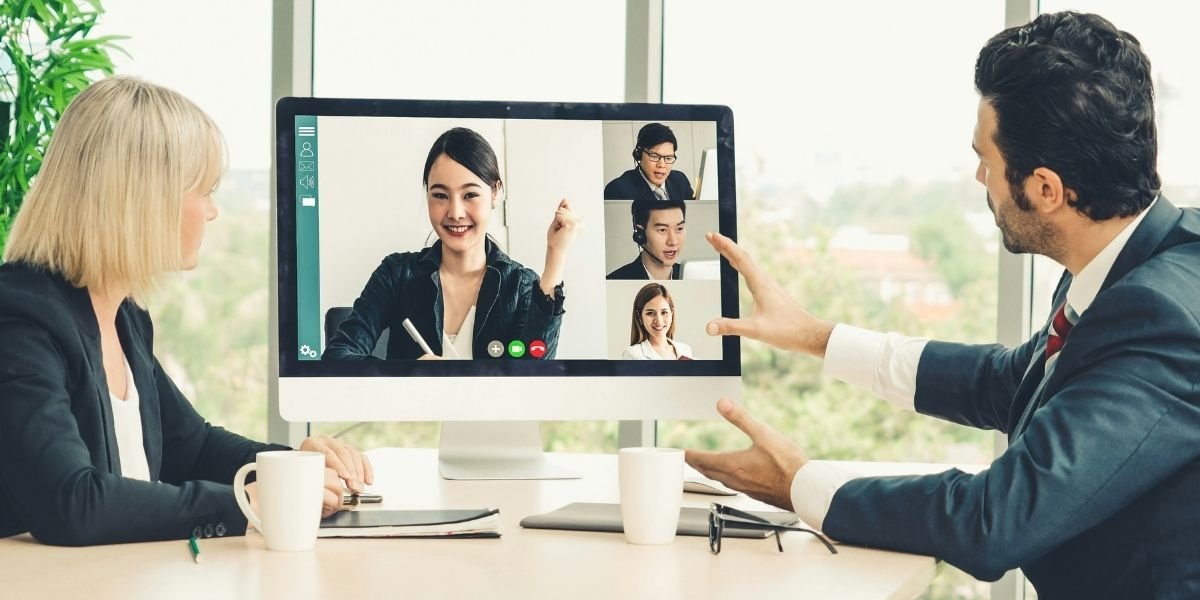
In classrooms across the U.S., VR is being used to take students on virtual field trips, explore historical events, and visualize scientific concepts. Geography lessons become global adventures. Biology labs become interactive ecosystems. Literature classes can transport students into the worlds of the books they’re reading.
Colleges and universities are investing in VR labs and curriculum. Engineering students can build and test prototypes in virtual space. Medical students can simulate surgeries. Art students can sculpt or paint in 3D environments. These tools aren’t replacing traditional education, they’re enhancing it.
Outside formal education, VR is gaining traction in adult learning and career development. From leadership training to language immersion, the flexibility and engagement of VR make it ideal for lifelong learners. It’s also being used in workforce reskilling programs, helping displaced workers learn new trades or transition into tech-driven roles.
Libraries, museums, and community centers are beginning to offer VR learning stations, making immersive education accessible to broader audiences. These public spaces are helping democratize access to high-quality training, especially in underserved areas.
Challenges and Considerations
Despite its promise, VR in education isn’t without hurdles. Cost remains a barrier for many schools and small businesses. Hardware, software, and content development can be expensive, especially for custom training modules.
There’s also the issue of accessibility. Not all learners have the physical ability or comfort level to use VR headsets. And while the technology is improving, motion sickness and fatigue are still concerns for some users.
Privacy and data security are also critical. As VR platforms collect more user data, institutions must ensure that information is protected and used ethically. This is especially important when VR is paired with AI, as seen in discussions around ai companion usage among teens, where concerns about emotional dependency and data transparency are growing.
Educators and developers must also consider cultural sensitivity and representation. VR content should reflect diverse perspectives and avoid reinforcing stereotypes. Inclusive design isn’t just ethical, it’s essential for effective learning.
Looking Ahead: A New Era of Learning
As costs drop and technology improves, VR is poised to become a standard part of education and training. What was once considered experimental is now being built into lesson plans, onboarding programs, and certification paths.
The future of learning will be immersive, interactive, and personalized. Students won’t just read about history, they’ll walk through it. Employees won’t just memorize safety protocols, they’ll practice them in real time. And educators won’t just deliver content, they’ll design experiences.
Virtual reality is more than a tool, it’s a shift in how people learn, grow, and prepare for the world. And for schools, businesses, and learners alike, that shift is already underway.