By: Jason Gerber
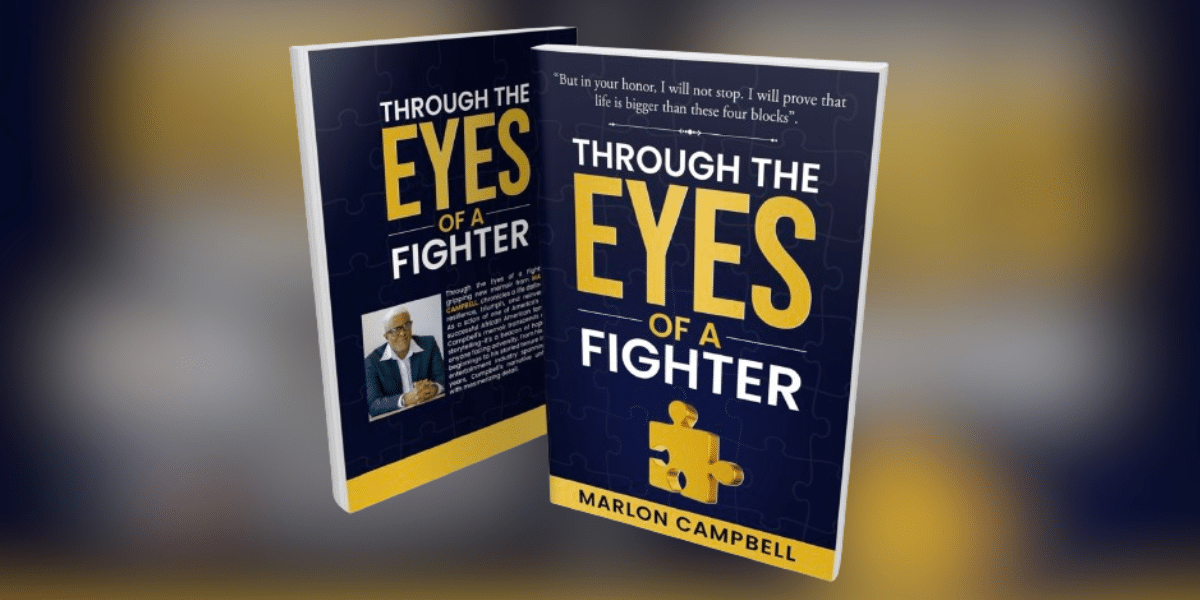
Grief can often feel like a vast, unchartered territory of pain and emptiness left by loss. Yet, within this space of sorrow, music emerges as a beacon of refuge, a universal medium through which individuals find solace, connection, and a path to healing. Indeed, the therapeutic benefits of music, especially songwriting and active engagement with melodies, have proven instrumental in providing comfort to those suffering from grief and post-traumatic stress disorder (PTSD). In “Through The Eyes of A Fighter,” Marlon Campbell shares insights into how these elements intertwine with the human experience, offering a profound look at the healing process through creative expression.
At its core, music offers a unique form of expression that transcends the limitations of verbal articulation. For someone engulfed in the throes of grief, putting feelings into words can be a daunting task. The abstract nature of music, however, allows for an emotional release that might otherwise remain suppressed. From the mournful tune of a ballad to the cathartic release of a powerful crescendo, music conveys the nuances of the human experience, engaging both the mind and the heart.
But why is music so effective in coping with loss and trauma? Psychological research suggests that music stimulates the brain in ways that other forms of communication cannot. Listening to or creating music engages the autonomic nervous system, which can result in lowered heart rate, reduced stress levels, and decreased anxiety. Moreover, the rhythms and melodies of music can act as a balm, soothing the neural pathways agitated by grief or traumatic memories.
Personal anecdotes from those who have found comfort in music following a tragedy further underscore its healing properties. Songwriting, in particular, provides a constructive way to process complex emotions. By composing lyrics, one can weave their memories and feelings into a tapestry of sound, affirming their experiences and emotions in a tangible form.
Creative expression through music enables individuals to navigate their journey with loss in a structured yet personalized manner. Crafting a song or an instrumental piece allows for a conversation with oneself, with the departed, or with the audience. It is a form of dialogue that transcends the visible world, reaching into the depths of the human soul where spoken language often falls short. It also creates a legacy, immortalizing personal stories and preserving the connection with those who are no longer physically present.
Furthermore, engaging with music can build a bridge between isolated grief and communal support. Sharing one’s musical creations opens up vulnerable spaces for others to relate and connect, creating a shared experience of remembrance and tribute. Support groups often incorporate music therapy into their programs to foster this sense of connection and collective healing.
Another significant aspect of music is its role in ritual and remembrance. Ceremonies and memorials frequently integrate music to honor those who have passed away. Melodies become intertwined with memory, allowing those grieving to revisit moments and emotions in a space of respect and reflection. The familiar strains of a favorite song or a meaningful melody offer a sense of continuity amidst the chaos of loss, providing a point of stability and nostalgia.
It is important to note that the journey of healing is deeply individual, and while music is a powerful tool, it may not resonate the same way with everyone. For some, it might be about exploring different musical genres to match fluctuating emotions, or it might be contributing to communal music-making experiences, such as choirs or bands, which provide a sense of belonging and collective purpose.
Final Words
In the narrative of loss and recovery, music stands as a testament to the resilience and adaptability of the human spirit. Whether it’s through the soul-stirring power of a live performance, the intimate process of songwriting, or the personal sanctuary of listening to a beloved playlist, music offers a path through grief that is both deeply personal and universally understood. As Marlon Campbell eloquently shares in “Through The Eyes of A Fighter,” music, in all its forms, serves as a reminder that even when faced with profound sadness, an individual is not alone in their search for light within the shadow of grief.
Published By: Aize Perez