Immigration is often discussed through categories. People are described according to their status, the documents they hold, or the legal process they are navigating. Those distinctions have practical significance within the immigration system, but they can also make it easy to overlook the people behind them.
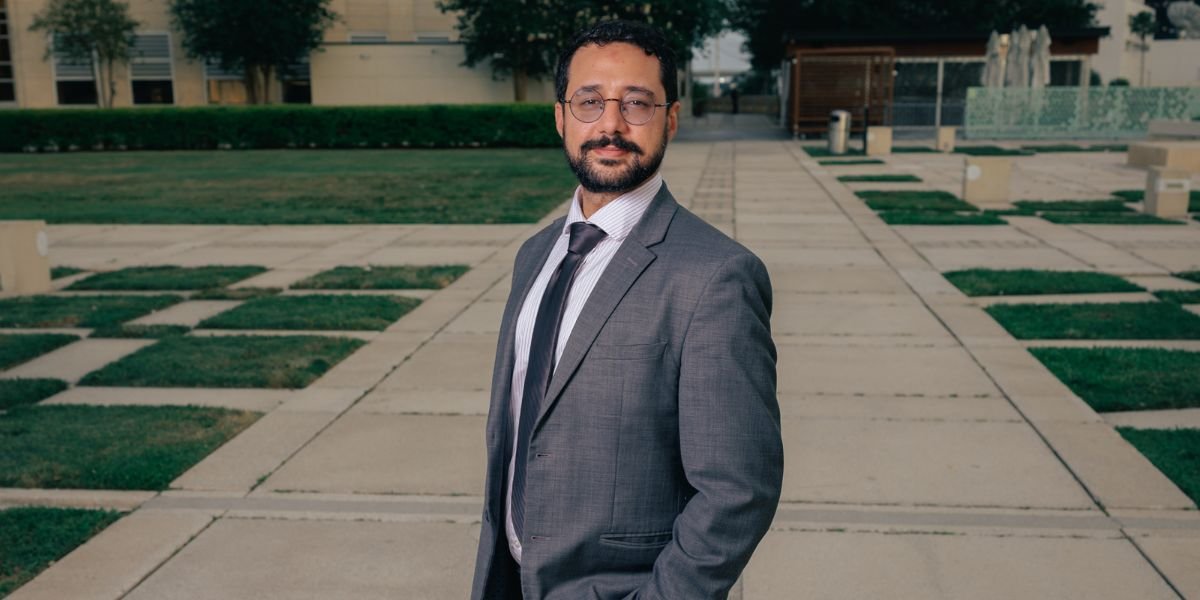
For Mohammad Shair, understanding immigration requires looking beyond the labels. As an immigration attorney and the son of Palestinian immigrants, Shair approaches the subject from two perspectives: the professional who works within the legal system and the individual whose family experienced the uncertainty that immigration status can create.
That combination informs his broader effort to make the immigration experience easier to understand as a human reality as well as a legal one.
What Legal Labels Do Not Capture
A visa, petition, court proceeding, or government decision represents a legal matter. But the person involved may experience that matter through questions that have little to do with legal terminology alone.
Can a family remain together? Can someone continue working? Can a person travel? Can an individual pursue an opportunity or plan for a future without uncertainty?
These questions are part of the human experience surrounding immigration.
Shair’s work spans employment-based immigration, family reunification, asylum, humanitarian protection, and removal defense. That range gives him exposure to different circumstances within the immigration system, from professionals and entrepreneurs pursuing opportunities to families and individuals facing serious uncertainty.
The legal categories matter. But they do not tell the entire story.
Mohammad Shair Brings Two Perspectives
Shair’s perspective is shaped by both professional experience and family history.
As an immigration attorney, he works with the laws, regulations, procedures, and decisions that determine how people navigate the immigration system. His legal training allows him to examine those matters with technical precision.
As the son of Palestinian immigrants who grew up in Tampa, he also understands that immigration questions can become part of ordinary family life. His own experiences gave him an early awareness of how immigration status can affect decisions about work, travel, family, and the ability to plan ahead.
Neither perspective exists independently.
Together, they allow Shair to approach immigration as a system that has legal structures and human consequences. His goal is not to remove the importance of legal categories, but to place them within a fuller understanding of the people whose lives are affected by them.
Immigration Shapes More Than Legal Status
The effects of immigration can extend into areas that are difficult to capture in a legal label.
Employment can influence a person’s ability to build a career. Family circumstances can affect where people live and whether they can remain together. Questions of safety can influence why someone seeks protection. Identity and belonging can shape how people understand their relationship with the country they hope to call home.
These experiences can also extend across generations.
For Shair, that intergenerational dimension is an important part of understanding immigration. The decisions and uncertainties experienced by one generation can influence the opportunities, identities, and perspectives of the next.
This is one reason he approaches immigration as more than a collection of legal forms and procedures. The system can shape how people work, build families, pursue opportunities, and understand where they belong.
From Legal Practice to Public Understanding
Shair’s interest in these questions extends beyond his legal practice. His academic background in philosophy and religious studies also informs his interest in questions of justice, identity, faith, citizenship, and human dignity.
Those subjects come together in his book, The Cost of Belonging: Immigration and the Fight for the American Dream.
The book combines personal narrative with accessible explanations of immigration law and reflections on the broader meaning of belonging. Rather than treating immigration solely as a political debate or a technical legal subject, it examines how immigration policy and legal processes intersect with family, work, safety, identity, and the pursuit of a future.
That approach reflects the two perspectives Shair brings to the subject.
A More Complete Conversation About Immigration
A more informed conversation about immigration does not require ignoring the law. It requires recognizing that legal systems operate in the lives of real people.
Every visa, petition, proceeding, and government decision involves circumstances that extend beyond the terminology used to describe them. Behind the legal category is someone pursuing an opportunity, protecting a family, seeking safety, or trying to build a future.
For Shair, that human dimension is central to understanding what immigration means.
His work and The Cost of Belonging invite readers to look beyond simplified labels and consider the broader questions surrounding immigration, citizenship, identity, and belonging. The objective is not to reduce a complex system to a single perspective, but to make room for a more informed understanding of the people living within it.
When immigration is discussed only through categories, part of the story can disappear. Looking beyond those categories does not eliminate the importance of the law. It makes it possible to see more clearly who the law affects and why the human consequences deserve attention.
Connect with Mohammad Shair
Website: Shair Legal
Book: The Cost of Belonging: Immigration and the Fight for the American Dream
LinkedIn: Mohammad Shair on LinkedIn
Instagram: Mohammad Shair on Instagram
Disclaimer: This article is provided for general informational and educational purposes only and does not constitute legal advice or create an attorney-client relationship. Immigration laws, regulations, policies, procedures, and government decisions can change and may vary depending on an individual’s circumstances, immigration history, jurisdiction, and applicable law. The information presented here should not be relied upon as a substitute for advice from a qualified immigration attorney or other authorized legal professional. References to Mohammad Shair, his professional experience, views, book, or legal practice reflect information provided for the purposes of this article and should not be interpreted as a guarantee of any particular immigration outcome. Readers with questions about their immigration status or a specific legal matter should seek individualized advice from a qualified professional. No particular legal result, approval, protection, or immigration outcome is guaranteed.