By: Joseph Taylor
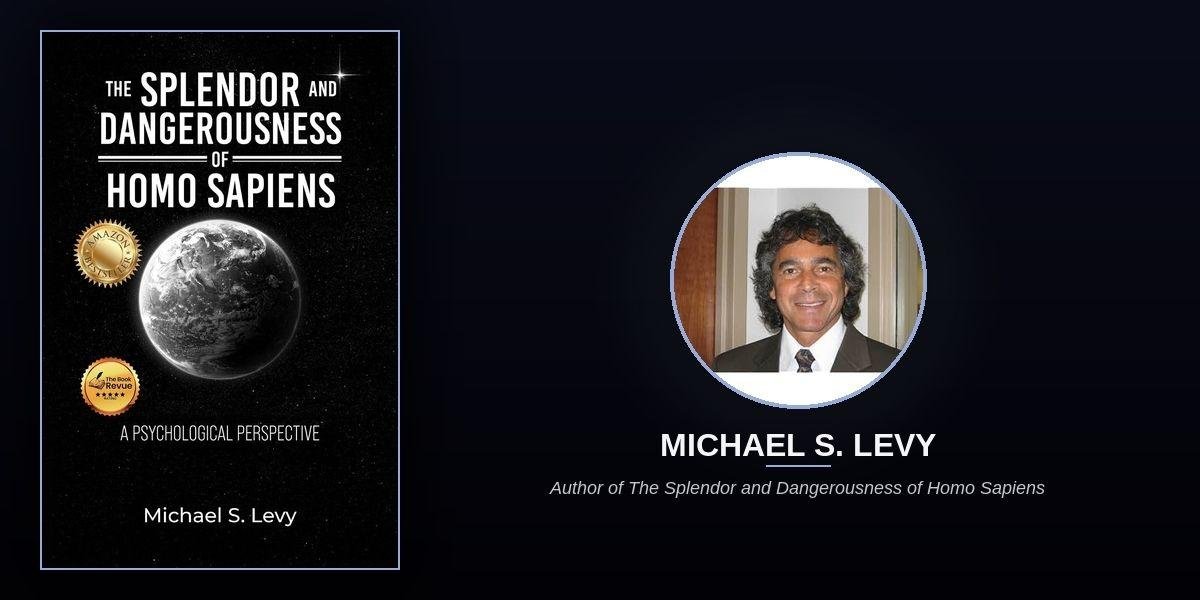
The paradox at the center of The Splendor and Dangerousness of Homo Sapiens is one that every thoughtful person has encountered in some form but that very few writers have managed to address with the simultaneous intellectual rigor and practical urgency that it deserves. How is it possible that the same species capable of creating the Sistine Chapel and eradicating smallpox and sending human beings to walk on the surface of the moon is also capable of the Holocaust and climate catastrophe and the systematic poisoning of its own information environment with industrial-scale disinformation? Michael S. Levy, PhD, has spent decades as a clinical psychologist, a clinical director of mental health and substance use treatment programs, and a lecturer in the Division of Addictions at Harvard Medical School, studying the mechanisms of human behavior at the individual level. In this book, he steps back from the individual and applies those same analytical tools to the species as a whole, and the picture he produces is both illuminating and genuinely urgent.
Levy’s clinical framework isolates three defining human attributes as the source of both the splendor and the dangerousness the title describes: refined consciousness, advanced cognitive ability, and the unmatched capacity for communication. These are not new observations individually. What Levy does that is genuinely original is trace with clinical precision the specific mechanisms by which each of these traits, the same ones that produce all of the most extraordinary achievements of human civilization, can interact with unchecked self-interest to produce the specific pathologies that now threaten the civilization they helped build. He is not arguing that human beings are bad. He is arguing that human beings are extraordinarily capable, and that the same capabilities that produce the best of what we have created also produce the worst, through mechanisms that can be understood psychologically and therefore, potentially, addressed.
The reading experience this book generates is one of sustained, productive discomfort: the particular quality of being shown something true about yourself that you were not previously seeing clearly. Levy writes with the directness of someone who has spent decades in clinical settings where comfortable fictions are a luxury that genuine therapeutic work cannot afford, and he brings that directness to the analysis of the human condition with the same combination of honesty and compassion that characterizes the best clinical work. He is not interested in making the reader feel better about the situation than the situation warrants. He wants the reader to understand the situation clearly enough to begin thinking about what can actually be done.
The practical suggestions Levy offers throughout and in the book’s concluding sections are the work of a clinician rather than a theorist, grounded in what research and experience tell us about actual human behavior under actual conditions rather than in what a more optimistic view of human potential would wish to be true. That grounding is what makes them genuinely useful rather than aspirationally appealing.
If you want a book that uses genuine clinical psychology to explain the deepest paradoxes of human behavior, both the extraordinary achievements and the catastrophic failures, at the scale of the species itself, The Splendor and Dangerousness of Homo Sapiens by Michael S. Levy, PhD is the most rigorous and most honest treatment of that subject currently available. Pick up your copy on Amazon today and understand yourself and your species more clearly than you did before.