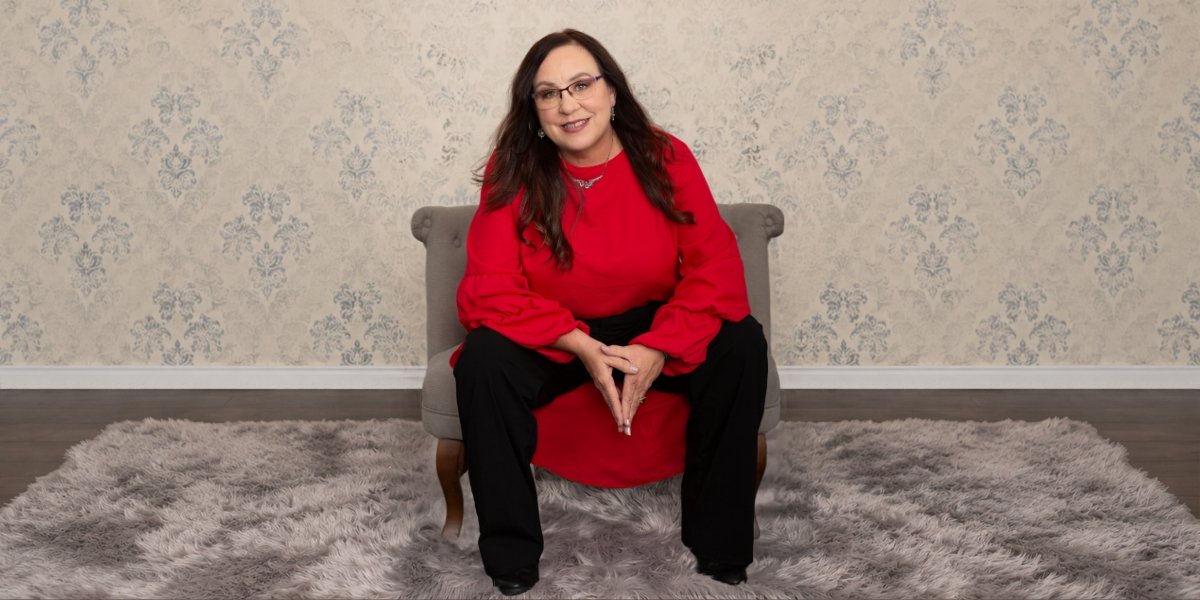
Deck: Irene Tunanidas spent three decades inside Ohio’s deaf classrooms. A recurring challenge she encountered was not with the students, but with the communication gaps many families were still learning how to address.
She Was Not Just Teaching the Kids
When Irene Tunanidas walked into a classroom of deaf children, she was never only thinking about the students in front of her. She was thinking about what those children were going home to. Whether their parents could talk to them at dinner. Whether they had a full way of knowing what their child was thinking, feeling, or struggling with. In many cases, the answer was complicated. In too many cases, the answer was no.
Irene spent more than thirty years teaching deaf children in Ohio public schools, first with the Youngstown City Schools and later at Poland Local Schools. Over that time, she noticed a pattern that repeated itself with many new families that came through her classroom door. The parents loved their children. That was never in question. What they often did not have was a full understanding of how to communicate with them, and not all of them had been prepared for that gap by anyone.
That became as much a part of her job as the actual teaching. Reaching the parents. Sharing difficult guidance with them, even when it was not easy to hear.
The Myth That Would Not Die
One of the recurring ideas Irene had to push back against across her career was the belief that if a deaf child learned American Sign Language, they would lose whatever speaking ability they had. Current language development research does not support that concern, yet it still showed up in conversations with hearing families.
Sign language does not have to replace spoken language or prevent a child from using their voice. It can give a deaf child a full, natural way to communicate, to think in language, and to connect with the people around them. Limiting access to that option because of a myth can leave a child with fewer ways to communicate.
Irene told families this as clearly and as often as she could. Some listened. Some did not.
What Happened When Families Did Not Learn ASL
The families who did not learn ASL did not always understand what they were choosing. They thought they were making a practical decision, keeping their child focused on spoken language, keeping them connected to the hearing world. What Irene often saw, however, was a communication wall between the child and their own family.
At holiday dinners, conversations could happen around them. At family gatherings, jokes were told, and stories were shared, while the deaf child had limited access to much of it. As they got older, similar gaps could show up in employment, in relationships, and in settings where communication is the foundation of participation.
Some parents later told Irene they regretted not learning sign language earlier. By the time they said it, some early opportunities for connection had already passed.
The Barriers She Ran Into as a Deaf Educator
The parents were not the only ones who needed educating. The school systems did too.
When Irene finished her Master’s in Deaf Education from Kent State University in 1972 and went looking for work, four Ohio school districts turned her down. The resistance was not always stated plainly, but it was consistent. Some administrators at the time resisted the use of ASL in their programs, and a deaf teacher who used and believed in sign language was not the hire that every school was ready to make.
The Youngstown City Schools eventually hired her. But even there, colleagues in the Deaf Program predicted she would not last long. They were wrong. She stayed for more than thirty years. Then she went to Poland Local Schools, where some decision makers had reservations about hiring a disabled teacher and agreed to take her on part-time after a Special Program Supervisor pushed for it.
The institutional resistance she faced was not incidental. It reflected the same misunderstanding of deafness that she spent her career trying to address with parents and institutions alike. The people making decisions about deaf education did not always understand what deaf children needed, and they were not always open to being told.
What Three Decades in the Classroom Actually Showed
Irene Tunanidas retired from teaching with more than thirty years in Ohio classrooms and a record of working with students who exceeded the expectations others had set for them. One of them was a profoundly deaf student she tutored at Poland who graduated with a 3.9 GPA and went on to earn a degree in Electrical Engineering from the University of Akron.
That outcome reflected what can happen when a student receives focused instruction, meaningful expectations, and support from someone who refuses to let low expectations become the ceiling.
That is what three decades inside a deaf classroom can teach an educator. Deaf children do not need to be defined by what others assume they cannot do. They need what every child needs: real communication, real expectations, and adults around them who are willing to do the work of understanding them. Families who did that work often gave their children stronger access to the conversations and relationships around them.
The classroom was never just about the students. It was always about everyone around them, too.
The Book Behind the Educator
Irene Tunanidas is the author of Rising From the Abyss of Grief, a memoir and 30-day devotional for readers navigating loss, loneliness, and the long road back to living.
Irene Tunanidas spent thirty years sharing difficult truths with families because she understood the cost of staying quiet. Rising From the Abyss of Grief comes from the same instinct. It is not a book that softens grief into something easier to discuss. It is a book that sits with the reader in a painful part of grief and gives them a structured way to move through each day. Just as she challenged myths about deafness in her classroom, she approaches grief as something that deserves honesty, patience, and language. It may resonate with readers who have been handed a situation they did not ask for and had to figure out how to carry it.
Media Feature: WDTN-TV’s Living Dayton

What Irene Tunanidas spent three decades discussing inside Ohio classrooms reached a broader audience when she appeared on WDTN-TV’s Living Dayton segment this year. The platform gave visibility to a perspective grounded in direct experience rather than theory. She was not speaking only as an observer of deaf education. She was speaking as someone who had worked inside it for decades, who had advocated for her place in the classroom, and who had watched how communication choices affected children and families over time. That distinction comes from years of classroom experience and community advocacy.
The segment featured sign language interpreters alongside Irene, making it possible for her to share her story directly with a regional television audience. For a woman who spent her career advocating for accessible communication inside institutions that did not always prioritize it, the moment carried meaning beyond the interview itself. She was on a public platform, saying what she had long said in classrooms and community spaces, with a larger audience able to listen.