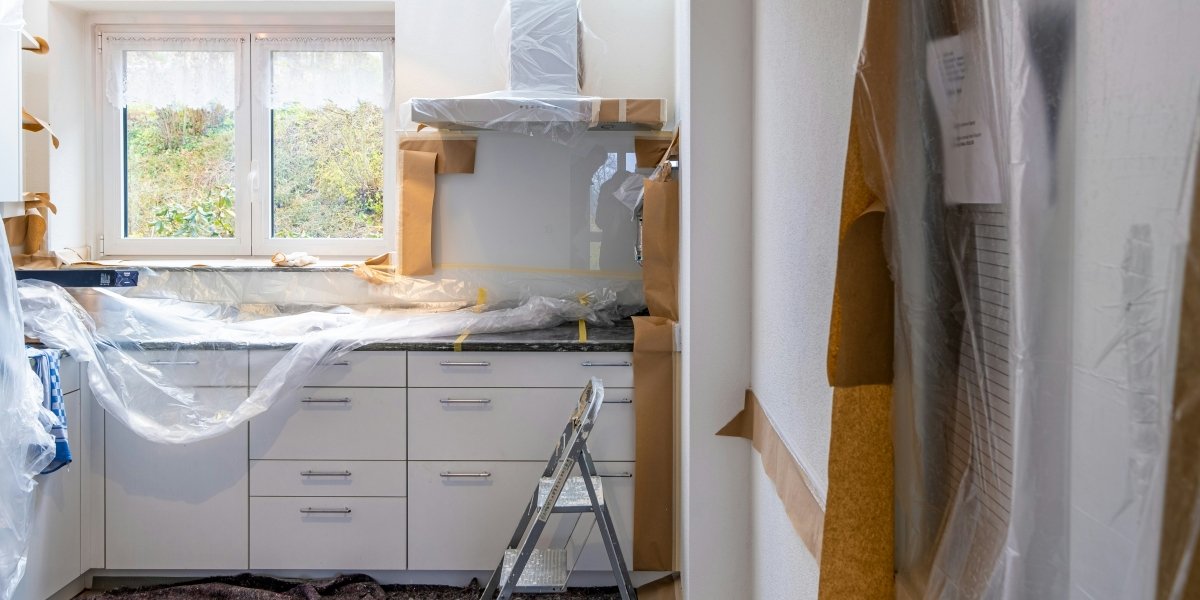
Here’s a truth that home renovation companies don’t advertise: most homeowners regret their first major renovation.
Not because the work was poorly done. They regret it because they didn’t know what they didn’t know, and by the time they figured it out, the project was already halfway finished.
The couple who renovated their kitchen beautifully, only to realize they should have opened up the adjacent dining room at the same time. The family who finished their basement then wished they’d run electrical for outdoor speakers while the walls were open.
These aren’t failures of execution. They’re failures of planning.
The Planning Gap Nobody Talks About
Most homeowners jump too quickly from inspiration to execution. They skip strategic planning that considers not just what you’re renovating, but why, how it fits into your home’s larger picture, and what opportunities you might be missing.
Professional renovators think in systems, not rooms:
Your home is interconnected: Touching one area affects others. Renovating a kitchen might require electrical upgrades, HVAC adjustments, or structural modifications.
Timing is everything: Some work is exponentially easier and cheaper when done in a specific sequence. Opening walls now means you can upgrade plumbing and electrical that would cost three times as much later.
Hidden opportunities exist: When you open walls for a bathroom remodel, that’s your best chance to address the squeaky floor above or rewire the hallway lighting.
Future-proofing saves money: Adding blocking for potential grab bars costs $50 during construction, $500 after.
The Questions That Change Everything
“What problem am I actually solving?”
Most people start with solutions (“we need a bigger master bathroom”) rather than problems (“our morning routine is chaotic”).
The problem might not require the solution you’re imagining. Maybe you don’t need a bigger bathroom. You need better storage, dual sinks, or a second bathroom. Frame the actual problem, and solutions multiply.
“How will we live in 5 years? 10 years? 20 years?”
Think ahead:
• Planning to age in place? You’ll want zero-step entries, wider doorways, and blocking for future grab bars.
• Kids growing up? That playroom might need to become a homework station, then a teen hangout.
• Working from home? That dining room conversion needs serious soundproofing and tech infrastructure.
“What’s possible that I haven’t considered?”
This is where experienced design-build professionals pay off. They’ll suggest borrowing 18 inches from an adjacent closet to make a bathroom feel twice as large, or using the space under a staircase for a powder room.
Professional renovators see opportunities invisible to homeowners.
The Budget Reality
Here’s the brutal truth: you need 15 to 20% more than you think you do.
Because every renovation uncovers something: outdated electrical, corroded plumbing, inadequate insulation, and structural issues.
Smart Budget Allocation:
• 30 to 35% Labor. Skilled craftspeople worth every penny.
• 40 to 45% Materials. Quality materials last for decades.
• 10 to 15% Professional Services. Insurance against expensive mistakes.
• 10 to 15% Contingency. For discoveries along the way.
Design-Build vs. Traditional Approach
Traditional: Hire an architect to design, then hire a contractor to build.
The problem: the people designing have no idea what it will actually cost. When budget meets reality, you’re stuck choosing between going over budget or compromising the design.
Design-Build: An Integrated Approach
One firm handles both design and construction.
Why It Works:
• Budget certainty. The people designing know exactly what things cost.
• Better problem-solving. Designers and builders collaborate from day one.
• Single point of accountability. No finger-pointing.
• Faster timeline. No back-and-forth between separate phases.
• Value engineering. The same team finds ways to save money without compromising vision.
The Local Advantage
In Pennsylvania’s Lehigh Valley (Allentown, Bethlehem, and Easton), choosing a local design-build firm provides additional benefits:
• They understand local architecture and Pennsylvania homes’ unique characteristics
• They know local codes and work within them efficiently
• They have established relationships with suppliers, subcontractors, and inspectors
• They stake their reputation locally
Red Flags When Choosing a Renovator
• Can’t show you similar projects
• No detailed contract
• Pressure tactics (“This price is only good today”)
• Lowest bid by far (30% lower than everyone else)
• Poor communication
• No insurance or licensing
• Bad online reviews about communication or completion
The Details That Separate Good from Great
Flow and function. Great renovators think about work triangle efficiency, clearances, circulation, sight lines, and how the space will actually be used.
Hidden quality. Proper insulation and air sealing, quality framing, electrical capacity for future needs, plumbing that will last 50 years, and waterproofing.
Finishing details. Soft-close drawers, proper height for switches and outlets, thoughtful lighting layers, quality hardware, crisp trim work.
Future adaptability. Extra electrical circuits, blocking for future grab bars, HVAC capacity for future additions, rough-in for potential bathrooms, and network infrastructure.
The Investment Perspective
Immediate benefits. Better functionality, increased enjoyment, reduced stress, and energy efficiency.
Long-term value. Increased home value, future-proofing, maintenance reduction, and aging in place.
Making the Decision
You’re ready to move forward when:
• You’ve identified the real problems you’re solving
• You understand your true budget (including contingency)
• You’ve researched design-build firms and checked references
• You know your timeline and have realistic expectations
• You’ve considered future needs, not just current ones
Where Planning Pays Off
The difference between homeowners who love their renovation and those who regret it comes down to one thing: quality of planning.
The physical work is the easy part. Professional craftspeople do this every day.
The hard part is making sure you’re building the right thing in the right way for the right reasons.
That’s where experienced design-build professionals earn their value. They ask the questions you haven’t thought of. They see the opportunities you wouldn’t notice. They help you avoid the mistakes that can’t be easily fixed later.
They turn your renovation from a construction project into an investment in how you’ll live for the next 20 years. For homeowners considering Lehigh Valley home renovations, understanding these principles helps your project transform your home rather than just update it.
That perspective, thinking beyond the immediate project to your life in the home, is what separates adequate renovations from transformative ones.