By: Ravi Rajapaksha
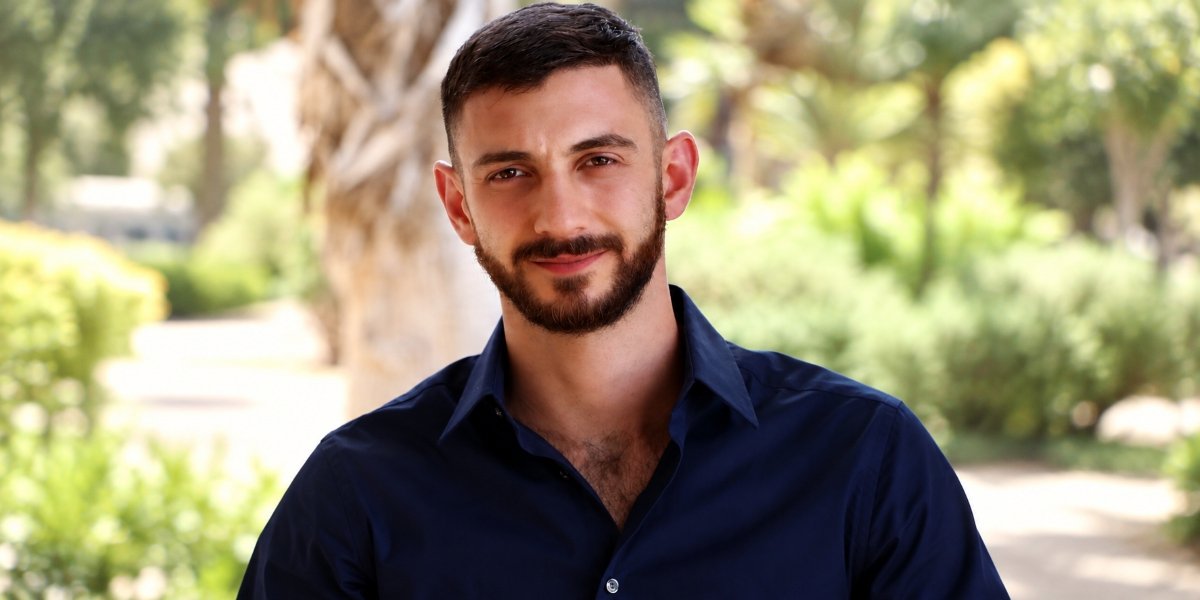
Seventeen years is a long time to do anything. For Mikhail Andersson, it’s been seventeen years of tattooing full days, most days, in a highly competitive tattoo market. And he’s still in the chair.
When it comes to tattooing, careers don’t usually end because people lose interest. They end because the body gives out first. Chronic pain builds slowly through years of holding a vibrating instrument, seated for hours, barely moving. It starts in the hands, then the wrists, then somewhere along the neck and upper back, where all that forward lean collects over time. An Ohio State University study tracked muscle activity in working tattoo artists and found that all 10 participating artists exceeded recommended exertion limits in at least one muscle group, especially in the upper back and neck. A related survey cited by the researchers found high rates of back, headache, neck, and eye pain among tattoo artists.
Mikhail Andersson has been tattooing since 2008. Something about how he’s lived outside the studio has kept him going inside it.

His studio, First Class Tattoos, sits at 52 Canal Street in Manhattan, a space he opened in 2016 after years moving through Moscow, Miami, and various New York shops. His roster pulls artists from across the world, covering black and grey realism, color realism, neo-traditional, Japanese, surrealism, anime, and trash polka. His own work pulls surrealism into realism in ways that feel inevitable rather than forced, built on classical technique and heavy on color. Voke Magazine, Maxim, and Grazia USA have all covered him.
So what keeps Mikhail’s body and mind running after all these years?
He boxes. He shoots film. He plays guitar and piano. He bikes around New York. Each one fixes something the studio breaks down.
Boxing hits first because it hits opposite. Tattooing pushes the body forward, hour after hour, compressing the spine and rounding the shoulders into the work. Boxing pulls everything back open. It builds the upper back, it demands posture, and it puts his full attention somewhere that has nothing to do with ink or clients or anyone else’s skin. The rhythm of it does something close to what meditation promises but rarely delivers. “I think the fastest way to learn is by being around people,” he’s said about tattooing. His time outside the studio runs on the same logic. Put yourself somewhere that demands your full presence and let the rest fall away.
Film photography works on a different register. The ritual of analog photography, its slowness, its finite frames, and its resistance to instant editing give him a different way to look closely without rushing the result.
Music, both guitar and piano, keeps his hands moving in directions that tattooing never uses. Tattooing is fine motor work, one constrained motion, sustained for hours. An instrument pulls the same hands into a completely different physical conversation. That distinction compounds over seventeen years in ways that are hard to overstate.
For anyone coming into this industry now, Mikhail Andersson’s perspective is grounded and direct. The market looks wide open from the outside. Up close, it’s a different picture. “There are now 10 million artists popping up because of seminars and workshops,” he’s said. “They say ‘oh, I’m a tattoo artist now’ and it was never that way before.” His point isn’t gatekeeping. It’s about knowing what you’re actually walking into. Tattooing is a physical trade. It taxes the hands, the back, the neck, and the patience, every single day. Showing up once fired up means nothing next to showing up consistently for years without losing your standard or your body along the way.
Mikhail’s advice sits somewhere between honest and blunt. Find the things outside the studio that undo what the studio does to you. Move. Create something with no client attached to it. “Having hobbies and creative outlets outside of work can be a much-needed lifeline,” he’s reflected, and for him, that hasn’t been a suggestion; it’s been the practice. Whether it’s boxing, film, or biking through the city, each one pulls him back into himself after days of giving his full attention to someone else’s skin. That’s the part most newcomers don’t plan for. The craft takes everything you have. What you do with the hours left over is what determines how long you last. “I think tattoos should heal us,” he’s said, “and allow us to feel and express our thoughts and desires.” That’s what’s kept Mikhail Andersson motivated past the point where many artists start finding reasons to leave the chair.