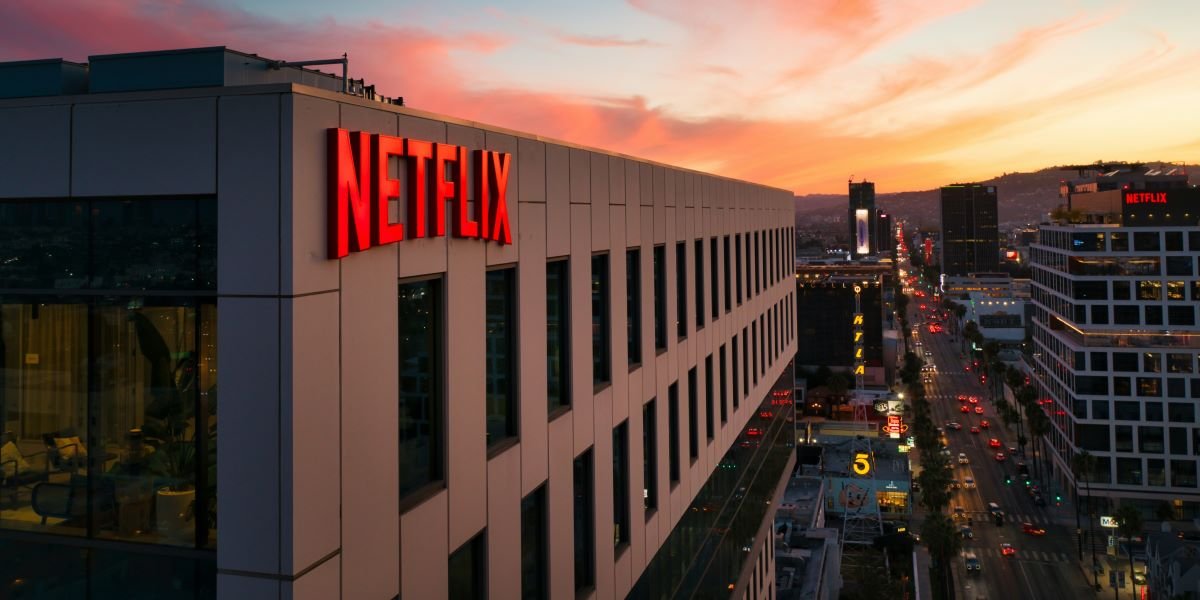
Netflix enters June 2026 with one of its most crowded release calendars of the year, a lineup that blends marquee returns, new franchise bets, and the steady drip of romance and crime dramas that anchor its library. The schedule reads as a statement of strategy as much as a content menu, arriving at a moment when the company’s real competition for American attention is no longer a rival subscription service but a free, creator-driven platform owned by Alphabet.
The month’s headliners span genres and audiences. The live-action adaptation of Avatar: The Last Airbender returns for its second season on June 25, more than two years after a debut that drew both large viewership and divided opinion. The fan-favorite romantic drama Sweet Magnolias comes back for a fifth season on June 11, while Harlan Coben’s I Will Find You, premiering June 18 with Sam Worthington, Britt Lower, and Milo Ventimiglia, marks the first U.S.-set adaptation in the prolific author’s long partnership with the streamer. Rounding out the slate are the Jennifer Lopez and Brett Goldstein workplace comedy Office Romance, a John Cena and Eric André buddy film titled Little Brother, and Julian Schnabel’s star-studded Dante drama In the Hand of Dante.
A Portfolio Built For Breadth
The construction of the slate reveals how Netflix approaches the problem of holding a mass audience. Rather than concentrate on a single tentpole, the company spreads its bets across distinct viewer segments: epic fantasy for the Avatar audience, comfort drama for Sweet Magnolias loyalists, twist-driven mystery for the Coben following, and broad comedy for casual browsers. Animation features prominently as well, with the Mexican stop-motion film I Am Frankelda and the finale of the viral series The Amazing Digital Circus arriving mid-month.
That breadth is the point. Netflix executives have long described the company’s strength as its ability to churn out reliable, mid-budget dramas alongside high-concept swings, and the June calendar reflects exactly that balance. Library additions early in the month, including the Rocky and Creed films and the Oscar-winning Poor Things, reinforce the strategy of pairing fresh originals with familiar catalog titles to keep subscribers from canceling between marquee releases.
The Real Contest Is For Time
The competitive backdrop gives the slate its larger significance. Streaming now captures roughly 47% of all U.S. television viewing, according to Nielsen’s monthly Gauge report, having surpassed broadcast and cable combined for the first time in 2025. Within that share, the order at the top has shifted in a way that reframes the so-called streaming wars.
YouTube reclaimed the top spot in Nielsen’s Media Distributor Gauge in March 2026 with a 13.5% share of all TV viewing, holding its lead among distributors. Netflix sits behind it as the largest traditional subscription service, with a share that has hovered in the high single digits and reached platform bests in recent months on the strength of titles like the Stranger Things finale. The gap illustrates a structural challenge: Netflix competes for attention not only against other paid services but against an endless, free supply of creator content that costs Alphabet nothing to produce.
That dynamic shapes why a stacked month matters. Netflix cannot match YouTube on volume, so its lever is event programming, the kind of release that pulls viewers to the television screen on a specific date and keeps them inside the subscription. A schedule with a returning fantasy franchise, a new Coben mystery, and a recognizable rom-com pairing is engineered to generate those moments repeatedly across four weeks, maximizing the time viewers spend in the app rather than scrolling a feed.
What It Signals For The Industry
For the broader entertainment economy, the June calendar offers a read on where spending and strategy are heading. The mix of in-house originals and licensed catalog points to a company managing content costs carefully while still investing in the splashy launches that drive sign-ups. The prominence of returning seasons over brand-new concepts suggests Netflix is leaning on proven properties to reduce risk, a posture consistent with an industry that has grown more disciplined about budgets after years of expansion.
The presence of recognizable film stars in streaming projects, from Lopez to Cena, also reflects the continued migration of talent and theatrical-style productions onto subscription platforms, blurring the line that once separated the big screen from the living room. Documentary programming tied to the World Cup adds another layer, positioning Netflix to capture interest around a global sporting event unfolding across the summer.
The month ahead will not settle the contest for American screen time, a contest increasingly defined by the divide between subscription storytelling and free creator video. But Netflix’s June slate makes clear how the company intends to fight it: not by out-producing an infinite feed, but by giving viewers specific reasons to show up on specific days, and enough variety that few subscribers find a reason to leave.