The Ruling Raises Questions About Whether Any State Can Legally Restrict What SNAP Recipients Buy Under Existing Federal Law
A federal judge has blocked the Trump administration from restricting what Supplemental Nutrition Assistance Program recipients can purchase with their benefits, ruling that the U.S. Department of Agriculture lacked the legal authority to approve state-level bans on soft drinks, candy, and other items. The decision, issued by U.S. District Judge Amy Berman Jackson in the District of Columbia, directly affects five states where SNAP recipients brought the legal challenge. But because the ruling strikes at the legal foundation underlying all 23 approved state waivers, its implications extend far beyond the five named in the case.
SNAP serves approximately 39 million Americans and operates as the nation’s largest food assistance program. Under the statute Congress enacted, benefits can be used to purchase “any food or food product for home consumption except alcoholic beverages, tobacco, hot foods or hot food products ready for immediate consumption.” That definition has remained unchanged for decades. What the court found is that the USDA attempted to let states rewrite it without congressional authorization.
What the States Tried to Do and How the Court Responded
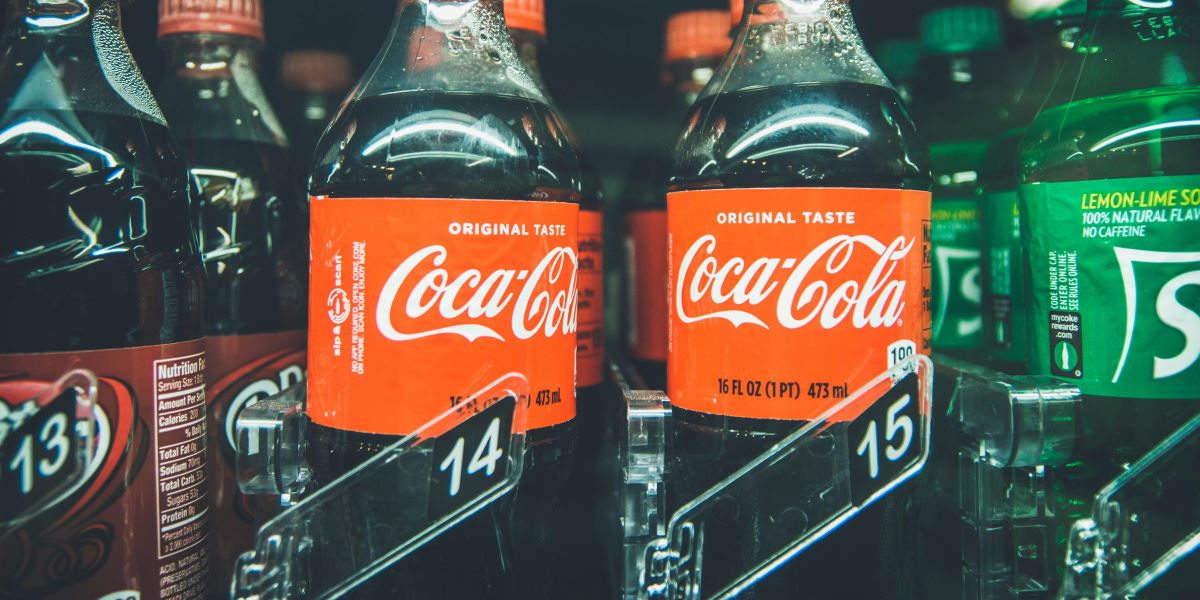
Between April and August 2025, Colorado, Iowa, Nebraska, Tennessee, and West Virginia submitted requests to the USDA asking to conduct pilot projects that would exclude certain items from the federal definition of “food” for SNAP purposes. The restrictions varied by state. Colorado’s program targeted sodas only. West Virginia’s ban was also limited to soft drinks. Nebraska planned to restrict sodas and energy drinks, with candy to be added later. Tennessee sought to exclude a broader category of processed foods and beverages including soda, energy drinks, and candy. Iowa went furthest, proposing to remove soft drinks, sweetened beverages, candy, certain sweetened foods, and other prepared items from eligibility.
The USDA approved each request under its pilot project authority, a provision that allows the agency to test modifications to SNAP operations. Agriculture Secretary Brooke Rollins and Health and Human Services Secretary Robert F. Kennedy Jr. promoted the waivers as a pillar of the Make America Healthy Again initiative, framing the restrictions as a public health measure aimed at reducing obesity, diabetes, and chronic disease among low-income populations.
Judge Jackson rejected the legal basis for that approach. The court found that the USDA’s pilot project authority permits testing changes to how the program operates, not redefining the categories of items that Congress has authorized for purchase. The distinction is significant. Congress chose to define food broadly when it designed SNAP, and the waiver mechanism does not grant the agency the power to override that definition.
“Congress defined what ‘food’ is supposed to be, and it did not authorize the agency to amend or waive the definition it enacted,” Jackson wrote. “It did not authorize the agency to cut types of food out of SNAP entirely.”
The judge emphasized that the ruling was not a commentary on the policy merits of limiting sugary food purchases. “The federal defendants and the states may have a genuine desire to improve the health of SNAP households by encouraging healthy choices at the store, and they can take lawful steps to meet those goals,” she wrote. “But what they cannot do is violate the law and their own regulations along the way.”
Who Brought the Case and What They Argued
The lawsuit was filed by the National Center for Law and Economic Justice on behalf of five SNAP recipients living in the affected states. The plaintiffs argued that the restrictions would destabilize food access for millions of low-income Americans, create confusion at the point of sale, and impose a stigma on recipients who might unknowingly attempt to use benefits on prohibited items. Advocates also raised medical concerns, noting that individuals with conditions such as diabetes sometimes rely on sugary drinks or candy to manage low blood sugar episodes.
Colorado had already pulled back from implementing its restriction before the ruling. In March, the state’s human services board voted against moving forward after hearing testimony from SNAP beneficiaries and advocates who described the rules as confusing and potentially harmful. Among the complications: Colorado’s plan would have permitted drinks with at least 50% fruit or vegetable juice while banning those with less, a distinction that recipients and retailers found difficult to navigate.
Approximately 1.8 million people were enrolled in SNAP across the five plaintiff states as of February, according to USDA figures.
Broader Implications for the 23-State Waiver Program
The USDA has approved food restriction waivers in 23 states. Some have already implemented their restrictions, while others had rollouts scheduled for the coming months. The Food Research and Action Center, an anti-hunger advocacy organization, noted that many of the approved states had not yet put their restrictions into effect. Because those waivers relied on the same statutory authority and the same USDA approval process that the court rejected, the ruling could serve as a legal template for challenges in any of the remaining states.
“Other approved SNAP restriction demonstrations relied on the same USDA process, the same statutory authority and many of the same legal and procedural assumptions the court rejected,” said Gina Plata-Nino, SNAP director for FRAC. “For that reason, the decision may provide a roadmap for future challenges.”
The administration has not announced whether it will appeal. Rollins responded on social media, calling the ruling the work of “an activist judge” and asserting that “SNAP is for food, not sugar bombs fueling obesity, diabetes, and skyrocketing healthcare costs for low-income families.” A USDA spokesperson told reporters that the department would not back down from the effort.
The Legal Question Congress May Need to Answer
The ruling places the dispute squarely in the hands of Congress. If the administration wants to change what SNAP recipients can buy, the court’s logic suggests it would need legislation explicitly amending the statutory definition of food, not executive action through the waiver process. Whether that legislative appetite exists in a Congress that just passed a bipartisan housing bill with overwhelming margins but remains deeply divided on nutrition policy is an open question.
For the roughly 39 million Americans who use SNAP to feed themselves and their families, the immediate effect is simple: the restrictions are off, at least for now.