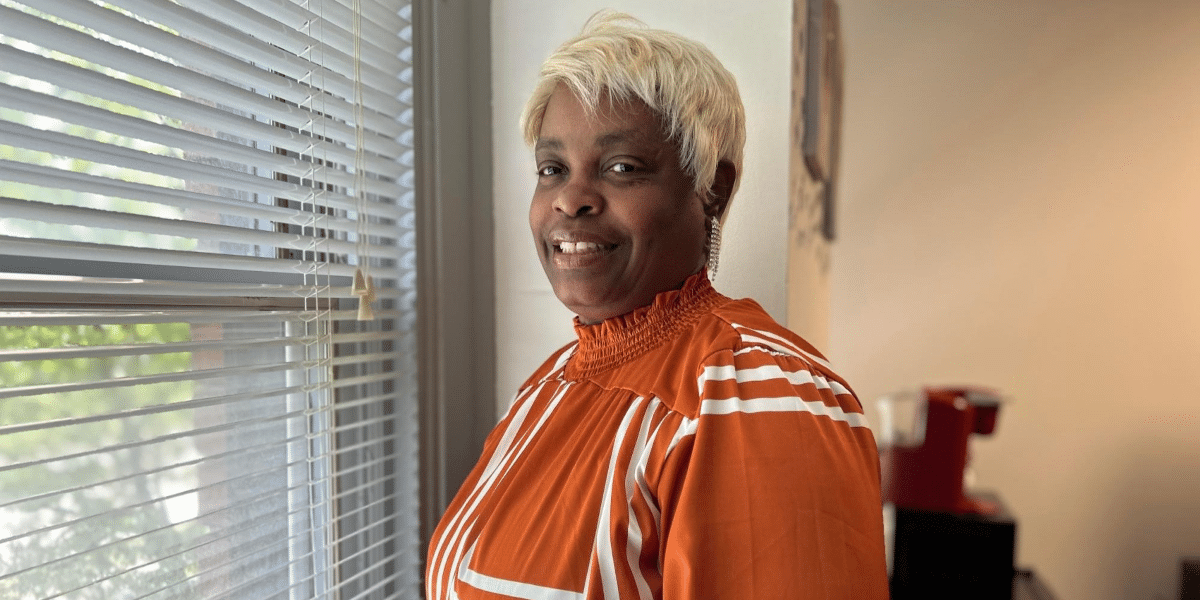
Language isn’t just words on a page or sounds in the air; it’s a powerful tool for shaping stories and influencing people. As Mitchel Foucault suggested in 1980, language significantly impacts its audience, whether spoken or written. It can make us feel happy or sad, inspired or discouraged. And this impact isn’t just surface-level—it can lead to real change and deeper understanding.
Authors like Kisha-Hodges know the jugglery of words that shape stories in ways that resonate with readers and spark contemplation among them. Kisha had a rough childhood and was born out of wedlock. The FBI chased her mother, and her biological father never owned her as he already had a family, rooting in mental health issues in her. She started writing only because she found it therapeutic; little did she know it would lead to becoming an author.
Just like psychiatrists use language to heal people, authors also use it to broaden our perspective and to bring us together. Similarly, according to Suzzane Keen’s (2007) Theory of Narrative Empathy, language ignites empathy and connection among readers. It states that when readers read about a character, they start empathizing with it and sharing their emotions.
Kisha’s books, drawing from the theory, offer readers the opportunity to experience her life as it is by reading them. Sadly, some authors, while producing their autobiographies, generally lie. They fabricate their realities and lives to give themselves a more pleasing, deceiving outlook. Kisha, on the other hand, opposes this completely.
She has openly written about her life in her books. In her first-ever published book, The Kisha Hodges Story: I Didn’t Kill Anyone, she talked about how her struggle with PTSD provoked her to attempt two murders. She explicitly mentioned the entire journey that led to the incident.
Her other books include It Had to Happen: I Didn’t Kill Anyone Part II, The Road To Recovery, Reclamation and Deliverance Part I and II, and She Hit Me First. Five of her books are recollections of the first book, while She Hit Me First is a true story about the bullying she faced at school.
While reviewing her first book, a reader shared how she felt multiple emotions while reading it. She felt empathy, anger, sadness, disgust, and love, but touches of laughter and peace accompanied all of it. She was amazed at how Kisha went from a helpless, directionless child to a sister soldier who is now helping people in need.
Her writings appeal to readers to see her beyond pity and understand her bravery, to know that she is not a victim but a hero in the story, to not perceive her as an agency-less person who accepts whatever comes her way but as someone who has full power and control of her life.
Kisha did not write to gain compassion from others but to give them insight. It is all about helping those who can not seek help. Humans sometimes need to fit in, but does that mean changing ourselves? Becoming someone we are not and hiding things about ourselves that we are insecure about?
For Kisha, the answer was no!
She wrote about her past mistakes because she did not perceive them as indelible sins but as the doorway to becoming better. Through her writings, she challenged the standard narrative revolving around reformed individuals. She showed the world that they are more than their pasts and mistakes; they are humans with hearts beating love and a sense of moral regeneration.
Kisha’s writings provide connection and relatedness for anyone in pain and disbelief. People who suffer hopelessness can find consolidation through it. Life might feel like it is falling apart at one point, and we cannot cope with it, but one should never forget that time passes. If the going gets tough, the tough gets going, too.
No matter how dark a night gets, it is always followed by a bright morning, which is what Kisha’s writings teach us, too. Her books offer the reality of her life in an optimistic and joyous way. They teach us that those who learn to laugh through the pain lead happy and successful lives.
Published by: Martin De Juan