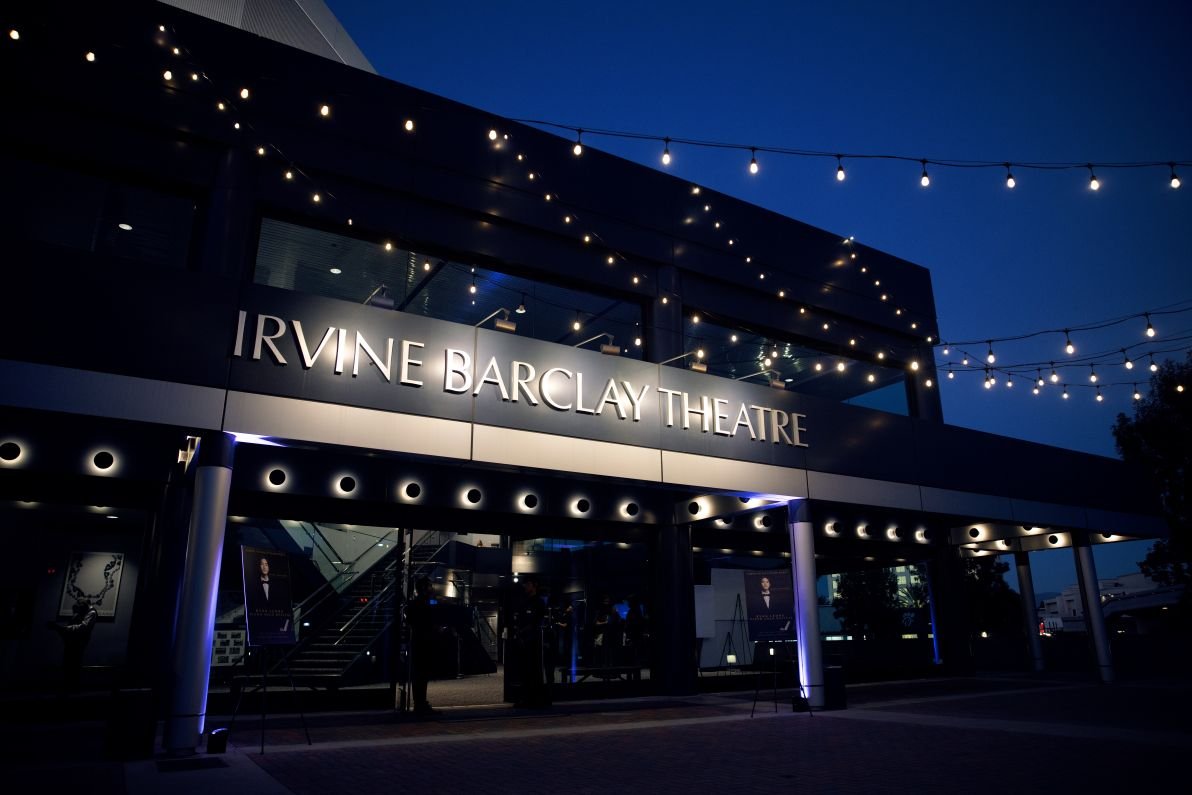
The Irvine Barclay Theatre overflowed with emotion on Saturday evening as 18-year-old pianist Ryan Leong took his final bow, completing a remarkable 90-minute solo recital that journeyed from Bach to Liszt. The concert, presented by the MG Global Music Foundation, was more than a showcase of technical mastery — it was a celebration of youthful vision, discipline, and the transformative power of music.
Ryan’s thoughtfully curated program — Bach’s Prelude and Fugue, Chopin’s Étude, Beethoven’s Sonata, Prokofiev’s Piano Sonata, and Liszt’s Sonata in B Minor — illustrated his command of both musical structure and emotional storytelling. From the crystalline counterpoint of Bach to the passionate turbulence of Liszt, he brought to life four centuries of piano literature with clarity, courage, and depth far beyond his age.
The audience followed each work with growing admiration. The Beethoven sonata glowed with elegance and restraint, Chopin’s Étude shimmered with crystalline control, and Prokofiev’s bold harmonies filled the hall with modern vitality. When Ryan reached Liszt’s sonata — the evening’s centerpiece — the hall fell utterly silent, every listener leaning in as the young pianist unfolded the music’s struggle and triumph. The final chords rang out with thunderous resonance, prompting the entire audience to rise to its feet in an extended ovation that echoed through the theatre.
Beyond the stage, Ryan embodies a spirit of generosity rare in young artists. He has devoted years to performing at senior centers across Southern California, sharing music as a gesture of comfort and companionship. “Music should bring warmth to people’s lives,” he once said, a philosophy that aligns with the MG Global Music Foundation’s mission to foster artistic excellence with social purpose.
Ryan Leong’s performance on October 30th was not only a testament to his exceptional technical ability but also a demonstration of the countless hours of practice and preparation that have shaped his artistry. For years, he has dedicated himself to mastering the piano, pushing through challenges both personal and professional. Each piece in his program reflected not only the musical intricacies of the composer’s intentions but also Ryan’s own commitment to excellence. In the hours spent refining his interpretation of each work, Ryan transformed what could have been a mere technical exercise into a powerful emotional experience for his audience. The way he navigated the complexity of Liszt’s sonata, for example, was not simply a display of skill but a manifestation of his deep connection to the music.
This level of commitment is often unseen by those in the audience, yet it is this behind-the-scenes effort that sets great musicians apart. Ryan’s discipline is evident in the clarity with which he approached each piece, infusing it with his personal voice while still honoring the composer’s vision. His ability to sustain such intensity over the course of a 90-minute recital is a rarity for someone of his age, and it speaks volumes about his resilience and passion for his craft. As Ryan took his final bow that night, it was clear that his musical journey was only beginning, but his dedication to his art would continue to fuel his future achievements.
Among the audience were students, educators, and young musicians who saw in Ryan a reflection of their own hopes. Many left the concert teary-eyed yet inspired, sharing how his journey gave them courage to chase their dreams. “It makes me believe that classical music can still change lives,” one teenager remarked after the performance.

The evening at the Barclay was not only a milestone for a rising artist but also a reaffirmation of the enduring relevance of classical music in modern life. In Ryan Leong, the community witnessed a rare combination of brilliance and sincerity — proof that the future of music remains in capable, compassionate hands.