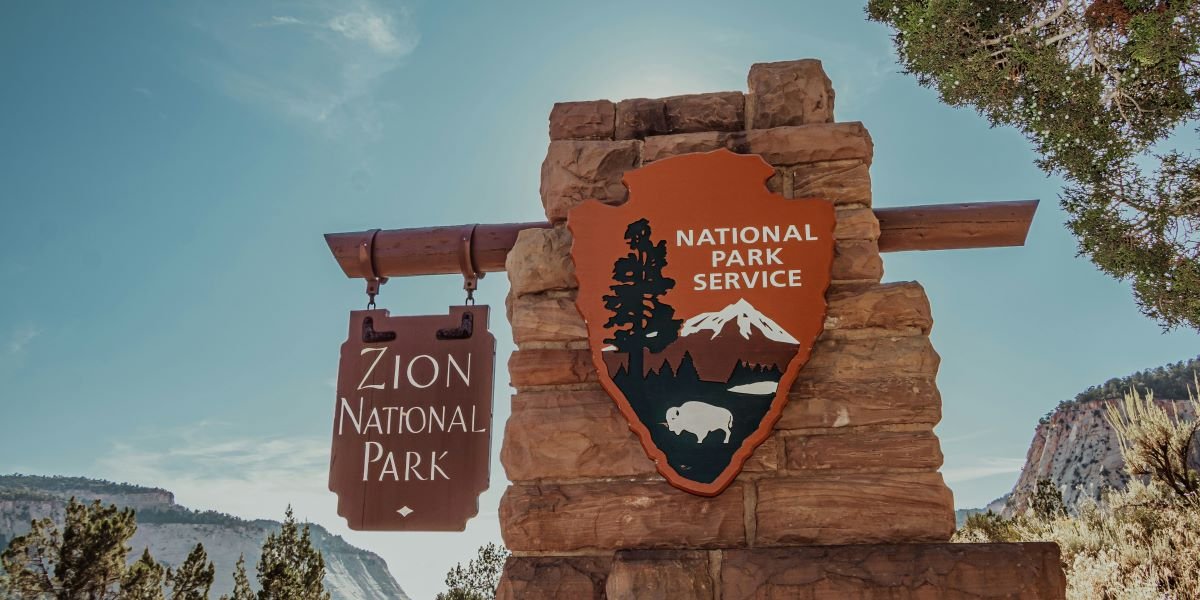
National Park Service sites waive entrance fees on Wednesday, November 11, 2026, for Veterans Day, but only for U.S. citizens and residents. Veterans, Gold Star families and current service members can enter free every day with a military pass, while international visitors still pay regular fees plus a $100 surcharge at 11 parks.
Key Takeaways
- The Veterans Day entrance fee waiver at National Park Service sites applies only to U.S. citizens and residents in 2026.
- Veterans and Gold Star families qualify for a free Military Lifetime Pass, and current service members and their dependents qualify for a free Military Annual Pass.
- Form DD-214 is not accepted as proof of service for the Military Lifetime Pass.
- Non-U.S. residents age 16 and older pay a $100 per-person fee on top of the entrance fee at 11 national parks, including on November 11.
- Camping, tours, reservations and concession-operated activities are still charged on the fee-free day and are not covered by military passes.
- A military pass admits everyone in a single private vehicle, up to two motorcycles, or the pass holder plus three people where per-person fees apply.
U.S. Residents Get In Free for One Day
Veterans Day is the last entrance fee-free day on the National Park Service’s 2026 calendar. Every Park Service site that normally charges an entrance fee waives it on November 11, but under the agency’s 2026 rules, the waiver covers U.S. citizens and residents only.
For many families, the waiver matters less than it sounds. Most National Park Service sites never charge an entrance fee, so the savings apply mainly at the parks that do. Visitors heading to a fee-charging park on Wednesday should still check whether a timed-entry or reservation system is in place, since those fees and requirements continue on fee-free days.
Veterans and Service Members Do Not Need the Fee-Free Day
For the military community, November 11 is not the only free day. The National Park Service offers two free passes: the Military Annual Pass for current members of the U.S. Armed Forces and their dependents, and the Military Lifetime Pass for veterans and Gold Star families. The Park Service defines veterans for this program as anyone who served in the U.S. Armed Forces, including the National Guard and Reserves.
Free access for veterans began on Veterans Day 2020 under an Interior Department order. Two years later, on Veterans Day 2022, the agencies introduced a dedicated lifetime pass card, which the Park Service says was authorized by a law passed in December 2021. The annual pass for active-duty members and their families dates back to Armed Forces Day in 2012.
Which IDs Work for the Military Lifetime Pass
Veterans picking up a Military Lifetime Pass in person need one of four forms of identification: a Department of Defense ID card, a Veteran Health Identification Card, a Veteran ID Card, or a veteran designation on a state-issued driver’s license or ID card. Form DD-214, the discharge document many veterans keep at home, is not accepted.
Gold Star family members self-certify their eligibility and present a printed Gold Star Voucher, available from the Park Service website, to park staff. Current service members and dependents seeking the annual pass need an unexpired Common Access Card, DD Form 1173 or its Next Generation Dependent ID replacement.
Three Ways to Get a Military Pass
The Military Lifetime Pass is free when picked up in person at many national parks and federal recreation sites. A free digital version is available through Recreation.gov, with a $7.50 shipping fee for anyone who also requests a physical card. Mail orders through the USGS Store carry a $10 processing fee and can take weeks to arrive, so veterans planning a trip this week are better served by the in-person or digital options.
What the Military Passes Cover on Federal Lands
The military passes reach well beyond national parks. They cover entrance fees and standard day-use fees on lands managed by six agencies: the National Park Service, Bureau of Land Management, Bureau of Reclamation, U.S. Fish and Wildlife Service, U.S. Forest Service and U.S. Army Corps of Engineers. National forests, including the Idaho forests that supplied this year’s U.S. Capitol Christmas Tree from Idaho’s Nez Perce-Clearwater National Forests, fall under the same benefit.
Each pass admits the holder and everyone in a single private, non-commercial vehicle, or up to two motorcycles. At sites that charge per person, it covers the holder and three people age 16 or older. The passes are non-transferable, and veterans with a permanent disability can choose the free Access Pass instead, which adds discounts on some amenities such as camping.
International Visitors Still Pay on November 11
The fee-free day does not extend to international visitors, and at 11 national parks they face an added charge. Since January 1, 2026, non-U.S. residents age 16 and older pay a $100 per-person fee on top of the regular entrance fee at Acadia, Bryce Canyon, Everglades, Glacier, Grand Canyon, Grand Teton, Rocky Mountain, Sequoia and Kings Canyon, Yellowstone, Yosemite and Zion. That fee still applies on Veterans Day.
The rule affects a sizable group of travelers in a year when the United States has drawn international visitors to the 2026 World Cup’s 11 U.S. host cities and other destinations. At fee-charging parks outside the list of 11, nonresidents pay the standard entrance fee only.
The Nonresident Annual Pass as an Alternative
International visitors planning more than one park trip can buy the Non-Resident Annual Pass for $250, which covers the $100 surcharge. U.S. residents pay $80 for the equivalent Resident Annual Pass.
Fees Every Visitor Still Pays
Neither the fee-free day nor a military pass covers every charge inside a park. Camping, guided tours, special recreation permits, reservation fees, organized group fees and concession-operated facilities or activities are billed separately. Visitors who plan to camp or join a ranger-led tour on November 11 should budget for those costs as usual.
Beyond the Fee-Free Day
For U.S. residents without a military connection, the next chance at free entry comes on the 2027 calendar, or with an $80 annual pass. Families who cannot reach a fee-charging park this week have other options close to home, part of a broader look at how accessible outdoor spaces shape everyday life in U.S. cities. For veterans, the main takeaway is simpler: a free lifetime pass makes every day a fee-free day.
FAQs
Are national parks free on Veterans Day 2026?
Yes, for U.S. citizens and residents. National Park Service sites that normally charge an entrance fee waive it on Wednesday, November 11, 2026, though camping, tour and reservation fees still apply.
Do international visitors get in free on Veterans Day?
No. The 2026 fee-free days apply only to U.S. residents. Non-U.S. residents pay regular entrance fees, plus a $100 per-person fee for those 16 and older at 11 national parks.
How do veterans get a free national park pass?
Veterans can pick up a free Military Lifetime Pass in person at many federal recreation sites, get a free digital pass on Recreation.gov, or order a physical pass from the USGS Store for a $10 processing fee.
Is a DD-214 accepted for the Military Lifetime Pass?
No. Veterans need a Department of Defense ID card, a Veteran Health Identification Card, a Veteran ID Card, or a veteran designation on a state-issued driver’s license or ID.