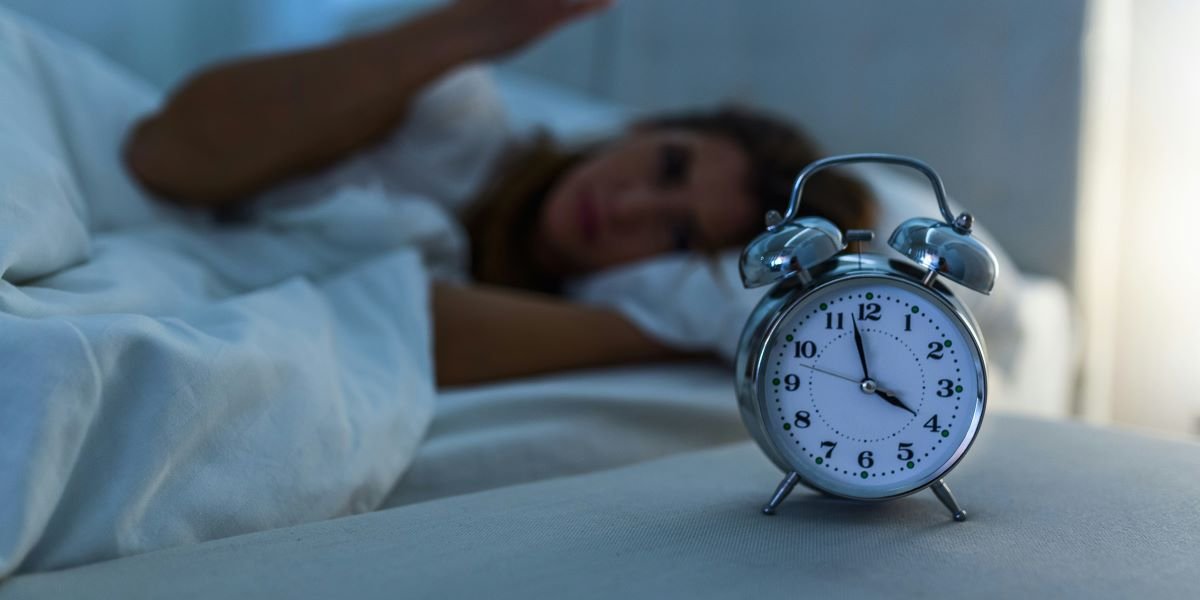
Daylight saving time ends at 2 a.m. local time on Sunday, November 1, 2026, when clocks fall back one hour to 1 a.m., according to the National Institute of Standards and Technology. The change arrives just hours after Halloween night, giving most Americans an extra hour as the country returns to standard time.
Key Takeaways
- Daylight saving time ends Sunday, November 1, 2026, at 2 a.m. local time, when clocks move back to 1 a.m.
- Under federal rules, daylight saving time runs from the second Sunday in March to the first Sunday in November.
- Hawaii, most of Arizona, and U.S. territories including Puerto Rico and Guam do not change their clocks.
- Smartphones and internet-connected devices generally update on their own, while manual clocks need to be reset.
- Daylight saving time returns Sunday, March 14, 2027.
Daylight Saving Time Ends At 2 A.M. On Sunday, November 1
Clocks change overnight. At 2 a.m. local time on Sunday, November 1, clocks in areas that observe daylight saving time move back to 1 a.m., so the hour from 1 a.m. to 2 a.m. happens twice. By clock time, Sunday runs 25 hours long.
The date follows the federal schedule. Daylight saving time begins on the second Sunday in March and ends on the first Sunday in November, a calendar in place since 2007 under changes made by the Energy Policy Act of 2005. The U.S. Department of Transportation oversees time zones and daylight saving time, while NIST serves as an official reference for the nation’s time. This year, clocks moved forward on March 8.
Halloween Night Gets An Extra Hour
Halloween falls on Saturday, October 31, so the time change lands right after trick-or-treat night. For families, that means an extra hour overnight after the costumes, candy, and parties wind down. Anyone working an overnight shift that night should check with their employer, since the repeated 1 a.m. hour adds time to shifts that span the change.
The return to standard time also shifts daylight. Mornings will be lighter earlier, and sunsets will arrive about an hour earlier on the clock starting Sunday, so evening commutes and after-school activities will run closer to dark.
Which States And Territories Do Not Change Their Clocks
Not every part of the country takes part. Hawaii stays on standard time year-round, as does most of Arizona, though the Navajo Nation in Arizona does observe daylight saving time. Several U.S. territories also skip the change, including Puerto Rico, Guam, the U.S. Virgin Islands, American Samoa, and the Northern Mariana Islands.
For travelers and businesses that work across time zones, the change affects the time gap with those places. Once the mainland returns to standard time on November 1, the difference between Hawaii or Arizona and the rest of the country shifts by one hour until March.
Which Clocks Update Automatically And Which Do Not
Most connected devices handle the change on their own. NIST’s time services broadcast Coordinated Universal Time, and a device’s operating system applies the local time zone and daylight saving rules. That means smartphones, computers, and most internet-connected devices should update automatically, as long as their time zone settings are correct.
Manual clocks are another story. Clocks on microwaves, ovens, older car dashboards, wall clocks, and some alarm clocks need to be set back by hand. Checking those devices Saturday night or Sunday morning helps avoid confusion during the first day back on standard time.
Practical Tips For The Time Change Weekend
A few simple steps make the switch easier. Setting manual clocks back before going to bed Saturday night means waking up to the correct time on Sunday. Double-checking alarms for Sunday and Monday mornings can prevent a missed appointment or a late start to the work week.
Families with young children may want to plan for routines to feel off by an hour for a few days, since bedtimes and wake-up times will shift on the clock. With darkness arriving earlier in the evening, drivers, walkers, and cyclists may also want to plan for lower visibility during the commute home.
Daylight Saving Time Returns In March 2027
Standard time will remain in effect through the winter. Daylight saving time returns on Sunday, March 14, 2027, at 2 a.m. local time, when clocks move forward one hour to 3 a.m. The current schedule remains in effect under federal law.
FAQs
When Does Daylight Saving Time End In 2026?
Daylight saving time ends Sunday, November 1, 2026, at 2 a.m. local time. Clocks move back one hour to 1 a.m.
Do We Gain Or Lose An Hour In November?
Clocks fall back one hour, so the night of October 31 into November 1 gains an extra hour. The hour from 1 a.m. to 2 a.m. happens twice.
Which States Do Not Observe Daylight Saving Time?
Hawaii and most of Arizona do not observe daylight saving time, though the Navajo Nation in Arizona does. U.S. territories including Puerto Rico, Guam, and the U.S. Virgin Islands also stay on standard time.
When Does Daylight Saving Time Start Again?
Daylight saving time returns Sunday, March 14, 2027, at 2 a.m. local time. Clocks will move forward one hour to 3 a.m.