By: One World Publishing
Millions of U.S. military veterans have filed for the disability benefits they earned through their service. Many of them say the rating they received does not reflect the conditions they live with day to day. The VA processes an enormous volume of disability claims each year, and veterans who do not understand how those claims are evaluated are often at a disadvantage.
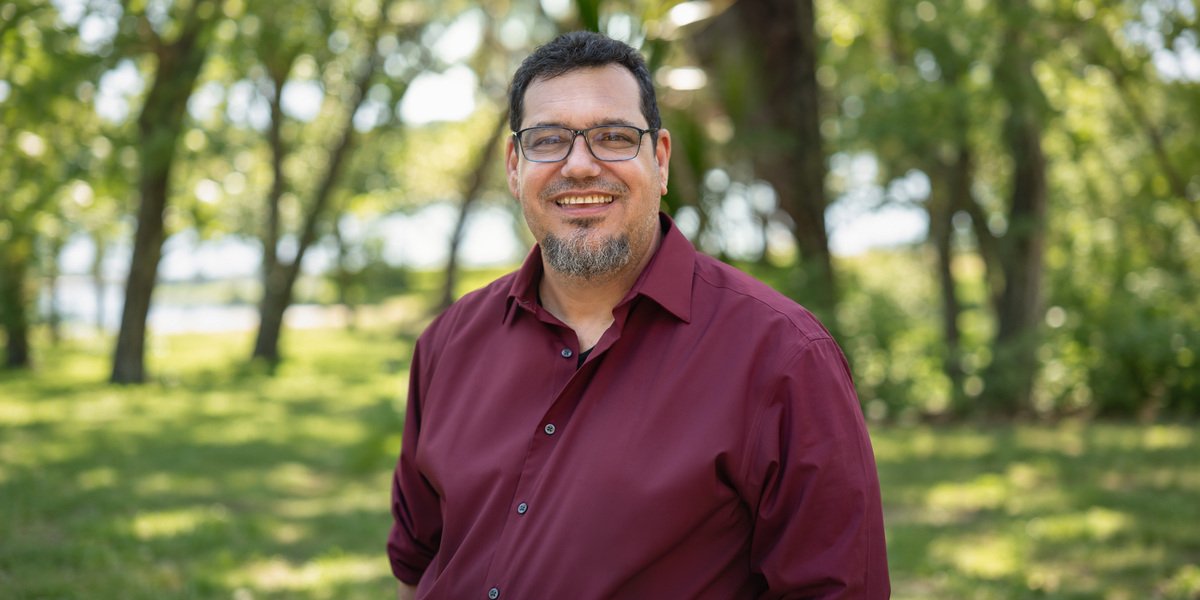
Jordan Anderson, a U.S. Air Force veteran and founder of VA Claims Academy, was one of those veterans. He spent years fighting for proper compensation. Now he has built a platform to fight for others.
Anderson launched his online educational platform to teach veterans how the VA evaluates claims and what kind of documentation carries weight with reviewers. Since its launch, the Academy has worked with thousands of veterans on preparing and supporting their claims, including people who left the service decades ago.
The $15,000 Wake-Up Call
Anderson’s story starts with a disappointment many veterans will recognize. After leaving the Air Force, he was assigned a disability rating that did not reflect the full scope of his disabilities. He turned to a professional service that charged him $15,000 but failed to improve his rating.
Anderson turned the setback into a springboard. He spent months studying the VA system, interviewing veterans who had beaten it, and working out what a winning claim actually looks like. He learned how to provide the evidence the VA needs to see and communicate in language that resonates with VA reviewers. The work paid off. He eventually earned a 100% Permanent and Total (P&T) disability rating.
But Anderson didn’t rest. His next mission, the more meaningful one, was to share his knowledge with his fellow service members.
“The most painful thing is to be denied by the country you served,” Anderson said. “That’s why so many of these veterans give up and live with high costs from their service-connected disabilities. I felt driven to show veterans that there’s a more effective way to get their benefits.”
Building the System From Scratch
The VA reviews claims against specific criteria, using specific medical language and types of documentation. Claims that meet that standard are less likely to be set aside for insufficient evidence. Most veterans file without knowing any of this, and the gap between what they submit and what a reviewer needs to see is often where denials happen.
“Too many veterans are throwing spaghetti at the wall when it comes to their VA claims,” said Anderson. “There’s no system and no strategy, so they get denied repeatedly.”
Anderson has built that system. Its aim is to help veterans hand the VA a complete, well-documented file instead of a partial one.
“The VA needs to see a clear diagnosis, a strong connection between your disability and military service, and documentation to prove the severity of the disability,” said Anderson.
His VA disability claim assistance program is built around helping veterans assemble that evidence. It includes personalized coaching, templates for personal statements, and preparation for compensation and pension (C&P) exams. Where a service connection is not well documented, the program helps veterans pursue nexus letters from licensed physicians.
No Backpay Required
When veterans are denied for their claim, they often turn to law firms to help them appeal their case. But these formal appeals can take years, with the firm garnishing a portion of the veteran’s backpay.
VA Claims Academy does not take a percentage of veterans’ backpay. Instead, the Academy charges a flat fee for coaching and training.
They favor a done-with-you approach, so veterans stay in control of their own claim and any future claims they may need to file.
“If you simply file the claim for the veteran, they have learned nothing,” said Anderson. “But what happens in a year when their condition gets worse? Or when they develop a secondary condition? We give them the know-how to stay in control of their VA disability compensation lifelong.”
The Academy has worked with more than 4,400 veterans on understanding the claims system and filing for a disability rating increase. It backs its training with a refund policy and is highly rated on Google by veterans who have used the program.
Better Approaches to a Higher Rating
Veterans may believe they deserve a higher rating without knowing which filing route fits their situation. VA Claims Academy walks them through the options.
A formal appeal through the Board of Veterans’ Appeals can take years. A supplemental claim, by contrast, is reviewed against the existing record together with whatever new evidence the veteran submits.
Take a tinnitus VA disability claim. A veteran may be denied for this claim if they can’t show a documented service connection. Maybe they worked on the flight line and heard jet noise all day long, but the tinnitus didn’t show up when they were in the line of duty. Their military health records include no evidence of the buzzing or hissing that now cuts into their quality of life. The veteran goes to great lengths to show how bad the tinnitus is, but the VA won’t give it a second look without the documented service connection.
Enter VA Claims Academy. They help the veteran submit a supplemental claim showcasing new evidence, such as a nexus letter from a physician stating that it is “at least as likely as not” that the veteran’s tinnitus is related to their work on the flight line. That phrasing reflects the standard of proof written into the VA’s own regulations.
Or maybe a veteran is rated for PTSD and has since developed sleep apnea. Researchers have examined links between the two conditions. VA Claims Academy could help a veteran file a secondary claim for a sleep apnea VA rating that developed or worsened due to the veteran’s service-connected PTSD. A secondary claim is reviewed against a service connection the VA has already recognized, which is a different administrative path than filing an entirely new claim.
This is the kind of filing strategy the Academy focuses on in its coursework. Built on the right documentation, the process is less bewildering than most veterans expect. It is a matter of working smarter, not harder.
The VA’s reviewers are not adversaries. They are often dedicated workers faced with an enormous caseload. Claims built on the right evidence give them what they need to make a fair decision. That is exactly what VA Claims Academy teaches veterans to build.
To learn more, visit www.VAClaims-Academy.com.
Disclaimer: This article is for general informational and educational purposes only and does not constitute legal, medical, or financial advice. VA disability eligibility, ratings, compensation, and claim outcomes depend on each veteran’s individual circumstances and applicable Department of Veterans Affairs requirements. Veterans should consult an accredited veterans’ representative, qualified attorney, licensed healthcare professional, or the VA regarding their specific situation. No particular rating, approval, compensation amount, or claim outcome is guaranteed.