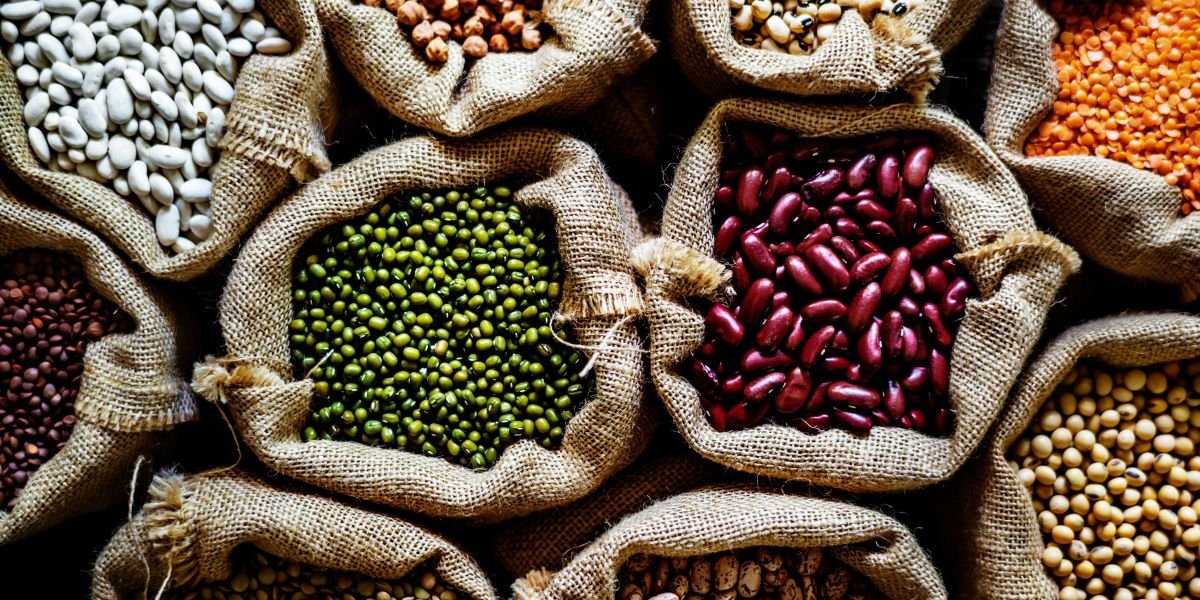
A major global analysis published May 7, 2026 in BMJ Nutrition, Prevention & Health found that people with the highest legume intake were 16% less likely to develop high blood pressure, while those with the highest soy intake had a 19% lower risk. The findings, released widely on May 26, 2026, drew immediate attention for a simple reason: high blood pressure affects nearly half of all U.S. adults, and the foods linked to lower risk are inexpensive, widely available, and culturally familiar.
The more revealing number in the study is buried below the headline. Researchers found that the greatest reduction in hypertension risk corresponded to roughly 170 grams of legumes per day, equivalent to about one cup of cooked beans, lentils, peas, or chickpeas. The study also notes that current legume consumption across Europe and the U.K. averages just 8 to 15 grams per day, far below the 65 to 100 grams per day cardiovascular health authorities recommend. American consumption falls in a similar range.
The gap between what Americans eat and what the research suggests they should eat for cardiovascular protection is the story. Closing that gap would require a shift in food preferences, grocery shopping habits, and meal planning at a scale most public health initiatives have struggled to achieve. The research provides the strongest evidence yet that the effort would matter.
What the Study Actually Found
The analysis pooled data from 12 prospective observational studies involving hundreds of thousands of adults in the United States, Asia, and Europe. Five studies came from the U.S., five from Asian countries including China, Iran, South Korea, and Japan, and two from Europe, specifically France and the U.K. Study sizes ranged from 1,152 participants to 88,475 participants. Researchers reviewed studies published through June 2025 to assemble the dataset.
The findings were consistent across geographies. Higher legume intake correlated with a 16% lower risk of developing hypertension. Higher soy intake correlated with a 19% lower risk. For legumes, the protective effect continued to increase up to about 170 grams per day. For soy foods specifically, benefits appeared to peak at 60 to 80 grams per day, equivalent to a palm-sized serving of tofu, edamame, tempeh, or soy milk.
Legumes in the study included beans, peas, lentils, and chickpeas. Soy foods included tofu, soy milk, edamame, tempeh, and miso. The researchers used World Cancer Research Fund evidence grading criteria to evaluate causality and concluded the overall evidence indicates a probable causal relationship between both legume and soy intake and reduced hypertension risk.
The reference for the study is Metoudi, M., Sadler, I., Kassam, S., and Aune, D. (2026), “Legume and soy consumption and the risk of hypertension: a systematic review and dose–response meta-analysis of prospective studies,” BMJ Nutrition Prevention & Health. DOI: 10.1136/bmjnph-2025-001449. The research was supported by Plant-Based Health Professionals UK.
Why the Research Makes Biological Sense
The mechanisms behind the findings have been studied for years and are well established in cardiovascular nutrition research. Legumes and soy are rich in potassium, magnesium, and dietary fiber, all of which are known to support healthy blood vessel function and blood pressure regulation. Potassium helps the body excrete sodium and relaxes blood vessel walls. Magnesium supports muscle and nerve function, including the smooth muscle that controls blood vessel diameter. Dietary fiber improves cholesterol management and contributes to overall cardiovascular health.
Newer research suggests additional mechanisms. The fermentation of soluble fiber from legumes and soy in the gut produces short-chain fatty acids that help blood vessels relax and dilate. In soy foods specifically, compounds called isoflavones may contribute additional blood-pressure-lowering effects. The convergence of multiple mechanisms — minerals, fiber, gut microbiome effects, and plant compounds — likely explains why the dose-response relationship in the study continued upward to relatively high intake levels.
The American Consumption Gap
The U.S. Centers for Disease Control and Prevention estimates that nearly half of American adults have hypertension, defined as systolic pressure at or above 130 mm Hg or diastolic pressure at or above 80 mm Hg, or taking medication for the condition. That works out to roughly 120 million Americans. Hypertension is the leading modifiable risk factor for heart disease and stroke, the first and fifth leading causes of death in the United States.
Against that backdrop, the average American eats well below the 65 to 100 grams of legumes per day that cardiovascular health authorities recommend. The figure has been roughly stable for decades despite repeated public health campaigns encouraging plant-based eating. The reasons are several. Beans and lentils require longer cooking times than processed convenience foods. Soy products, while widely available, remain culturally unfamiliar for many Americans outside specific dietary subcultures. Restaurant menus and packaged food options under-represent legumes compared to animal proteins and grains.
The new research does not address these consumption barriers directly. It establishes the case for closing the gap. Whether American food culture, public health policy, and the food industry respond is a separate question with a different answer.
What 170 Grams a Day Actually Looks Like
For an American adult unfamiliar with legume-heavy eating, the practical question is what 170 grams of legumes per day looks like on a plate. The simple answer is approximately one cup of cooked beans, lentils, peas, or chickpeas. That can be distributed across meals: a half cup of black beans at lunch, a half cup of lentils at dinner. It can come from a single bean-based main course such as chili, dal, or lentil soup. It can be added incrementally to existing meals through chickpea-topped salads, bean dips, or hummus.
For soy foods, 60 to 80 grams per day is roughly equivalent to a palm-sized serving of tofu, a glass of soy milk, or a small serving of edamame. The amount is easily achievable in a single meal for anyone open to soy products and is consistent with traditional dietary patterns in many Asian countries where the study found strong protective effects.
The accessible cost of these foods is part of the story. Dried beans and lentils remain among the cheapest sources of protein available in American grocery stores, often priced under $2 per pound. Canned beans cost slightly more but require no cooking. Tofu is widely available at $2 to $4 per pound. The financial barrier to adopting the research’s recommended intake levels is essentially zero, which separates this finding from many other cardiovascular health recommendations that involve expensive supplements, prescription medications, or specialized foods.
What the Research Does Not Establish
The study has limitations worth naming clearly. Observational research can establish strong correlations and probable causal relationships, but it cannot fully isolate dietary effects from other lifestyle factors that often travel together. People who eat more legumes and soy also tend to exercise more, smoke less, and have higher overall fiber intake. The researchers controlled for known confounders, but the inherent limits of observational data mean some residual confounding is possible.
The study also focused on the development of hypertension rather than on treatment of existing hypertension. Whether increasing legume intake can meaningfully lower blood pressure in someone who already has the condition is a related but separate research question, with somewhat different evidence behind it. For people already managing hypertension with medication, dietary changes should be discussed with a physician rather than adopted as a substitute for medical treatment.
The 16% and 19% risk reductions reported in the study are population-level effects. Individual results vary based on genetics, baseline diet, existing health conditions, and other factors. The findings are best understood as evidence that population-wide increases in legume and soy consumption could reduce hypertension prevalence at the national level, not as a guarantee of individual outcomes.
What This Could Mean for U.S. Public Health
If the new findings prompt a meaningful shift in American legume and soy consumption, the public health implications could be significant. A 16% reduction in hypertension incidence applied across 120 million affected Americans is millions of people who would not develop the condition. The downstream effects on heart disease, stroke, kidney disease, and overall mortality would be substantial.
Whether such a shift happens depends on factors beyond the research itself. Public health campaigns have promoted plant-based eating for decades with limited success at scale. The food industry has gradually introduced more plant-based products, but legumes remain underrepresented in convenience food formats compared to plant-based meat substitutes that target a different consumer demand. The 2025 Dietary Guidelines for Americans recommend legumes as part of a healthy eating pattern but do not specify the daily intake levels the new research supports.
The most likely near-term effect is increased attention to legumes and soy among Americans who already follow nutrition research closely. The longer-term question is whether the cardiovascular health authorities, the food industry, and consumer demand align in a way that closes the gap between current consumption and what the evidence now suggests is optimal. The research has done its part. The implementation question is a separate challenge.
For now, the practical takeaway is straightforward. The simplest, cheapest, and most evidence-supported dietary intervention against America’s most common cardiovascular risk factor is also one of the least adopted. Closing that gap, one cup of beans at a time, is within reach for most Americans who choose to try.
Disclaimer: This article is for informational purposes only and does not constitute medical advice, diagnosis, or treatment. The findings discussed reflect observational research that establishes associations but does not prove that legume or soy consumption will produce specific results in any individual. Readers should not make changes to medication, diet, or lifestyle based on this article without consulting a qualified healthcare provider. People with existing hypertension, kidney disease, food allergies, or other medical conditions should speak with a physician before making significant dietary changes. Soy contains isoflavones that may affect individuals with certain medical conditions or those taking specific medications. Always seek the advice of a physician or other qualified healthcare provider with any questions regarding a medical condition.