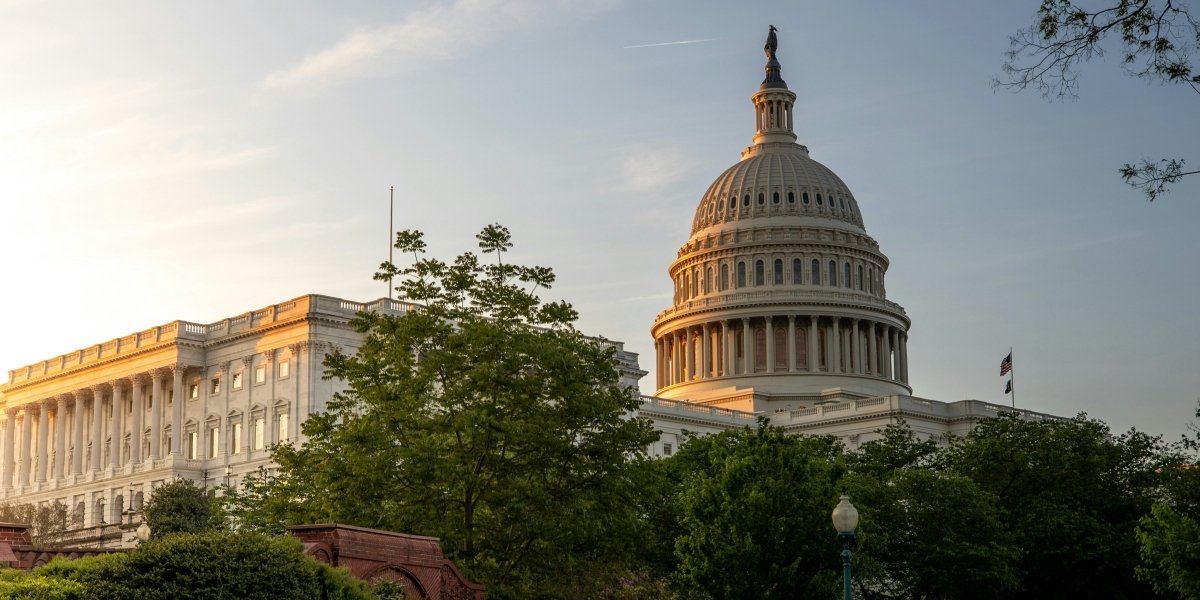
In the heart of America’s cities, outdoor spaces are no longer just nice-to-have, they’re a lifestyle necessity. As urban density rises and remote work reshapes daily routines, accessible outdoor spaces are transforming how people experience city life. Whether it’s a shaded bench in a pocket park or a sprawling greenway that connects neighborhoods, these spaces offer more than fresh air, they offer freedom, wellness, and a sense of belonging.
Outdoor Spaces as Urban Therapy
In the fast-paced rhythm of U.S. city life, outdoor spaces have emerged as a form of urban therapy. With rising stress levels, longer work hours, and screen-heavy lifestyles, Americans are turning to parks, trails, and green pockets for emotional relief. These spaces offer more than just a break from concrete, they provide a reset for the mind and body. Whether it’s a quiet moment under a tree or a brisk walk along a riverfront, accessible outdoor spaces are helping city dwellers decompress and reconnect.
The mental health benefits are backed by science. Studies show that spending time in nature, even for just 20 minutes, can lower cortisol levels, reduce anxiety, and improve mood. Cities like Seattle and Minneapolis have embraced this data, expanding green zones and integrating nature into urban planning. These efforts reflect a growing understanding that wellness isn’t confined to gyms or clinics, it’s embedded in the environment itself.
Outdoor spaces also serve as emotional anchors during times of crisis. During the pandemic, parks became sanctuaries for millions of Americans navigating isolation and uncertainty. That shift wasn’t just temporary, it reshaped how people value public space. Today, urban residents are more likely to prioritize proximity to green areas when choosing where to live, recognizing that access to nature is essential for resilience and recovery.
As cities continue to grow, the role of outdoor spaces in supporting mental health will only expand. From meditation gardens to sensory-friendly zones, urban design is evolving to meet emotional needs. These spaces aren’t just amenities, they’re antidotes to the pressures of modern life, quietly transforming how Americans experience their cities.
Designing for Function and Feeling
Outdoor spaces in U.S. cities are no longer just about greenery, they’re about experience. The most impactful designs blend aesthetics with usability, creating environments that invite people to stay, move, and connect. Whether it’s a shaded plaza with built-in seating or a winding trail with interactive art, these spaces are engineered to evoke emotion while serving practical needs. It’s a shift from passive landscaping to active placemaking.
Hardscape design plays a central role in this evolution. Elements like walkways, patios, retaining walls, and lighting aren’t just structural, they shape how people interact with the space. Firms such as Riverside Custom Outdoors are pushing the envelope by integrating high-end materials with community-driven layouts. Their approach reflects a broader movement toward outdoor spaces that feel curated yet accessible, a concept explored in recent coverage on elevated outdoor design.

Functionality also means inclusivity. Designers are increasingly prioritizing accessibility features like wide paths for wheelchairs, tactile surfaces for the visually impaired, and shaded zones for heat-sensitive individuals. These thoughtful additions ensure that outdoor spaces serve everyone, not just the able-bodied or design-savvy. It’s about creating environments where people of all ages and abilities feel welcome and safe.
At the heart of it all is emotional resonance. Outdoor spaces that succeed don’t just look good, they feel right. They offer moments of calm in chaotic cities, spark spontaneous conversations, and encourage movement without pressure. When design meets empathy, outdoor spaces become more than public amenities, they become personal sanctuaries woven into the fabric of urban life.
Outdoor Spaces and Childhood Development
Outdoor spaces aren’t just shaping adult lifestyles, they’re critical to childhood development. In a digital-first world, kids need physical environments that encourage play, exploration, and social interaction. Parks, playgrounds, and nature trails offer opportunities for movement that screens simply can’t replicate. As highlighted in recent discussions on balancing screen time, outdoor play is essential for cognitive growth, emotional regulation, and physical health.
Urban families are increasingly choosing neighborhoods based on access to safe, engaging outdoor spaces. Developers are taking note, integrating play zones and green corridors into residential projects. It’s a shift that reflects changing priorities, where proximity to nature is just as important as proximity to schools or transit.
Economic and Social Impact
Accessible outdoor spaces don’t just improve quality of life, they boost local economies. Properties near parks and greenways often see higher values, and businesses located near vibrant outdoor areas benefit from increased foot traffic. Farmers markets, food trucks, and pop-up events thrive in these settings, turning public spaces into economic engines.
Socially, these spaces foster connection. They’re where neighbors meet, cultures mix, and communities form. Whether it’s a weekend yoga class in the park or a spontaneous game of pickup basketball, outdoor spaces create shared experiences that strengthen civic identity. In a time when digital interaction dominates, these physical touchpoints are more important than ever.
The Future of Outdoor Living
As cities evolve, outdoor spaces will play a central role in shaping urban identity. Expect to see more rooftop gardens, vertical parks, and climate-resilient landscapes that respond to heat, flooding, and air quality concerns. Technology will also enhance accessibility, with apps that guide users to nearby green spaces, track usage, and even suggest activities based on mood or fitness goals.
Ultimately, outdoor spaces are becoming the heartbeat of urban living in the U.S. They’re where wellness meets design, where community meets culture, and where the future of city life is being written, one green square foot at a time.