If your patio is glum and lacklustre, installing or updating your outdoor space with new pavers can be a great home improvement project that enhances your property. Beautiful pavers may enhance the style and functionality of your patio space, and numerous options are available to consider. The pavers will be a lasting addition to your yard. They impact everything from functionality and safety to aesthetics and maintenance needs, so you must make a well-informed decision when choosing pavers. What should you consider when selecting new pavers for your patio?
Research Material Options
The three main options for patio paver materials are concrete, brick, and natural stone pavers. Concrete is typically denser than brick, most commonly available in a rectangular shape. Generally, concrete and brick are better suited for those working with a tight budget. Natural stone materials include field, flag, travertine, and limestone. Each one has unique characteristics for you to compare.
Decide on a Style
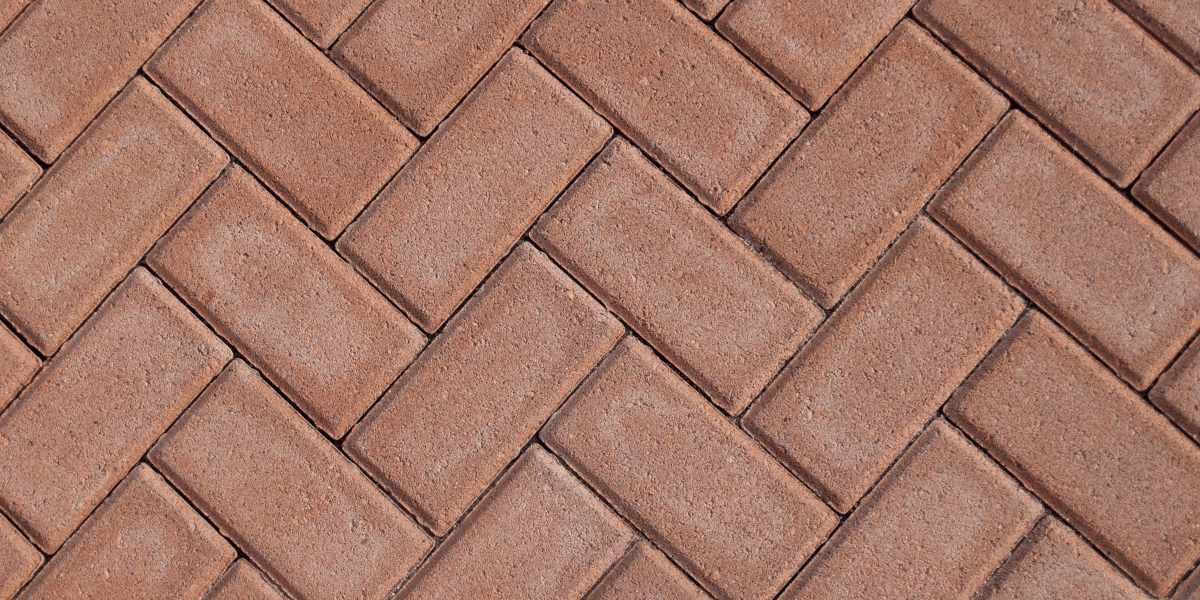
The ideal style of pavers suits your yard’s and home’s aesthetics. The patio should be a natural extension of the home rather than a place that stands out like a sore thumb. Fieldstone and flagstone are often irregularly shaped and look more natural when installed. Concrete and brick are formed into shapes. There are a wide range of shapes available, and these can be laid in a uniform pattern. Pattern ideas for concrete and brick include basketweave, offset basket weave, running bond, stacked bond, herringbone, and others.
Consider Durability and Maintenance
Each paver material is strong and durable, but its resistance to cracking is strongly based on thickness. Pavers typically need to be cleaned at least once a year, usually done with a power washer. Smoother pavers are easier to clean because they lack grooves and crevices for dirt to embed in. Darker colors and pavers with natural striations may hide stains and dirt better than the alternatives.
Think About Safety
The most significant safety concerns related to pavers are slipping and tripping on uneven surfaces. Smoother surfaces can get slick when wet, and they are often more slippery when covered with even a light layer of mildew. However, smoother surfaces can more easily be laid flush, eliminating the risk of tripping.
Select a Size and Color
After considering these factors, you likely have only one or a few materials on your shortlist. Most materials are available in numerous colors and sizes, and this helps you choose an option that fits your goals and budget—choosing the size and color of your pavers may be one of the easiest ways to make your patio space reflect your design style and aesthetics.
Explore Your Options Today
Updating your patio with new pavers is an incredible home improvement project that adds value and functionality to your space. More than that, it creates a more enjoyable outdoor space for you to enjoy with family and friends. Take time to research and explore the many types of pavers available today.
Published by Iris S.