By: Clara Benton
When a new energy project begins to take shape, the first questions people ask are rarely technical. They’re human: What might this mean for my land? For my family? For my way of life?
At Volta Group, those questions aren’t just considered—they help shape the company’s approach. Every project begins not with surveys or spreadsheets, but with conversation, clarity, and respect. Before any line is drawn on a map, someone from Volta is sitting at a table with a landowner asking, Who owns this land? How is it used? What should we understand before we move forward?
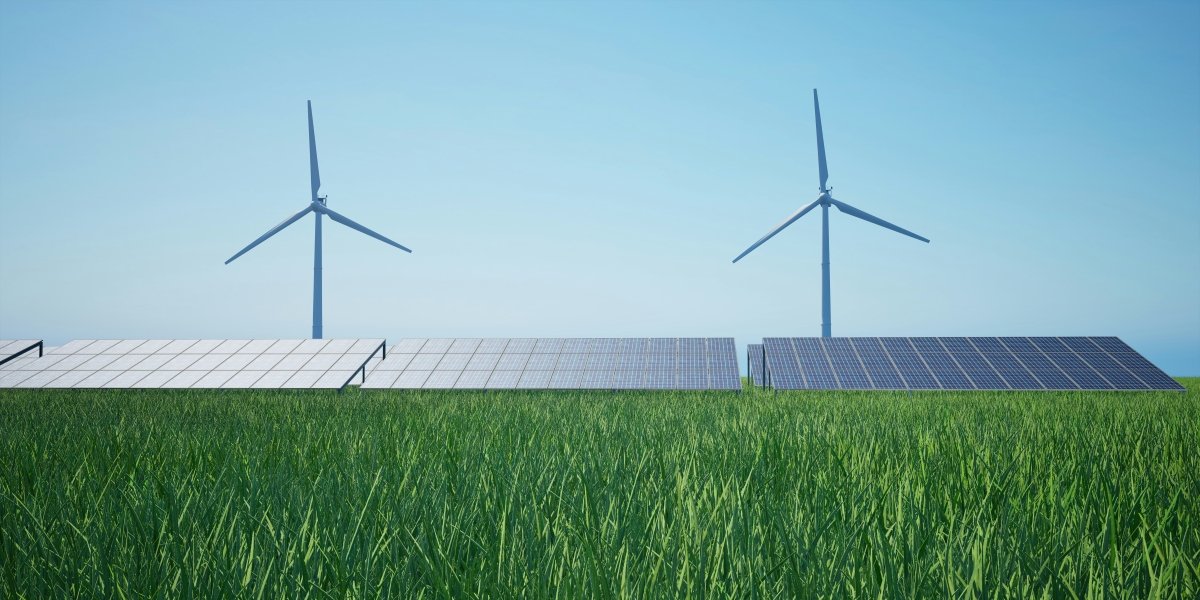
That mindset—listening before building—has become a key element of Volta’s approach. Since its founding almost four years ago, the company has helped secure more than 100,000 acres, negotiate over 1,000 miles of rights of way, and deliver approximately 10 gigawatts of clean energy into the grid. The figures are impressive, but what they represent matters more: thousands of relationships grounded in transparency and trust.
In an industry often defined by speed and scale, Volta takes a more measured route to certainty. Its teams start with the fundamentals—title, zoning, environmental conditions, community context—because they understand that when the groundwork is thorough, projects tend to move faster and more confidently later. As one Land Agent puts it, “You can’t shortcut understanding. The time you spend up front is the time you save when it matters.”
That understanding is particularly critical in rural and agricultural areas where many energy and infrastructure projects take root. Landowners in these regions want reasonable assurances that development won’t disrupt their operations or diminish the value of their land. Volta’s role is to make sure those concerns are addressed throughout the process. Its negotiators speak plainly, explain every clause, and ensure that agreements are fair and sustainable. The result is not only smoother transactions but long-term goodwill that can last well beyond a project’s completion.
Volta’s adaptability also sets it apart. What might begin as a solar site search can evolve into a conversation about storage, transmission, data centers, or even road and rail corridor improvements. The same expertise in mapping, title, and stakeholder coordination applies across various sectors. Because the firm stays involved through the entire lifecycle—from early feasibility and permitting through lease renewals and compliance—it maintains the relationships that others might overlook once construction is complete.
For developers, that continuity means fewer surprises and faster approvals. For public officials, it means a partner who values accountability as much as progress. And for landowners, it means they’re part of the story—not simply the backdrop to it.
Volta’s projects are examples that progress and preservation don’t have to exist in tension. By integrating landowners’ voices early, the company turns what can be an adversarial process into a more collaborative one. Deals are made with understanding instead of pressure, and growth happens in a way that benefits everyone involved.
As the United States expands its renewable energy grid and upgrades its infrastructure, companies like Volta are contributing to how development gets done. Their guiding belief is simple but powerful: projects don’t happen in places, they happen with people.
That philosophy has earned Volta Group a reputation not just as a land and right-of-way firm, but as a trusted intermediary between progress and the people who make it possible. Their measure of success isn’t just in megawatts delivered or miles completed—it’s in the handshake at the beginning and the continued respect long after the work is done.
Because when the land and its owners are mapped first, everything that follows is built on a stronger foundation.