The world of manufacturing is evolving, and at the forefront of this transformation is 3D printing technology. Trinity Carbon Works, a pioneer in carbon composite prototyping, is leading the charge by making medium to large-scale carbon fiber part production more accessible and efficient. By harnessing the power of 3D printing, the company offers a streamlined approach that turns digital designs into real-world components—especially for performance automotive applications.
From Digital Designs to Reality
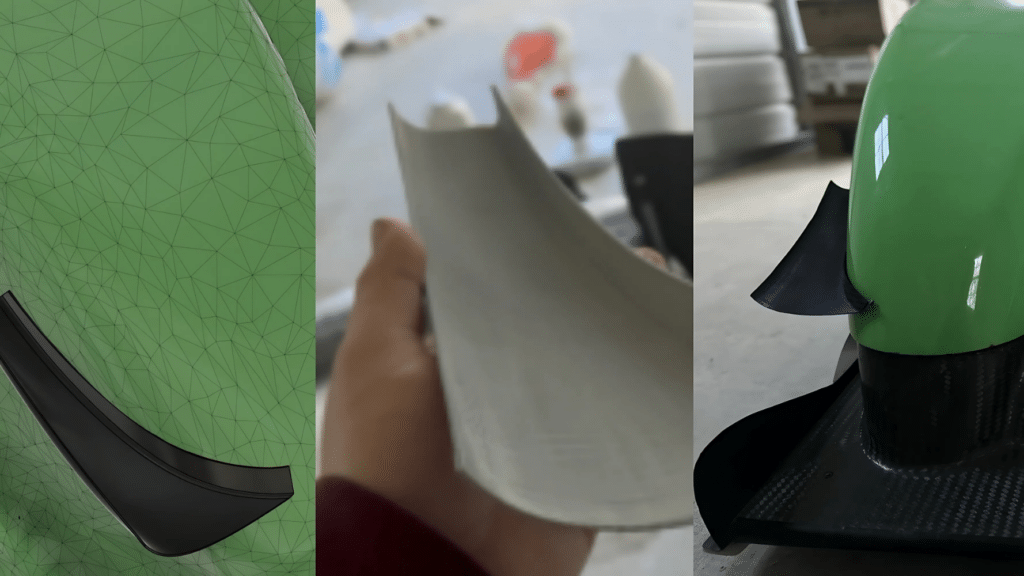
Trinity Carbon Works is a single-owner LLC run by Kelly McDonald, specializing in digital design and fabrication. The company has made its mark by offering an exclusive “render to reality” service, where CAD surface models are transformed into tangible carbon fiber parts. This capability brings precision and performance to every project, making it an ideal solution for industries that demand high-quality components.
By leveraging a print farm of Bambu Labs printers, Trinity Carbon Works can handle medium to large projects with ease. This efficient setup allows them to work on limited budgets while maintaining the integrity and precision needed in carbon composite manufacturing. For businesses or individuals looking to create prototypes or parts, this service provides a cost-effective solution without compromising quality.
The Role of 3D Printing in Carbon Fiber Manufacturing
3D printing has revolutionized the manufacturing industry by reducing the time and cost associated with traditional processes. In carbon composite manufacturing, it allows for faster prototyping and production, enabling businesses to bring their designs to life more quickly. Trinity Carbon Works has taken this approach and adapted it for carbon fiber, one of the most sought-after materials for its strength-to-weight ratio and durability.
By using 3D printing, Trinity Carbon Works can create molds and components that serve as the foundation for carbon fiber layups. This process reduces the need for expensive tooling and provides a flexible platform for iterative design improvements. The ability to quickly test and refine parts without incurring significant costs is invaluable for industries such as automotive, aerospace, and even consumer goods.
Kelly McDonald’s vision of bringing carbon composite production to the masses is realized through this approach, where the company bridges the gap between high-performance materials and accessible manufacturing processes.
Efficient Production with a Print Farm
A key differentiator for Trinity Carbon Works is its use of a print farm consisting of Bambu Labs printers. This setup allows the company to scale production according to the needs of each project. Whether it’s a single prototype or a larger batch of components, the print farm offers flexibility and efficiency, ensuring that deadlines are met without sacrificing quality.
This production model is particularly advantageous for clients operating within tight budgets. Traditional carbon fiber prototyping can be cost-prohibitive due to the labor-intensive nature of the material and the need for specialized equipment. However, with the print farm, Trinity Carbon Works can reduce the overall cost by utilizing 3D printing technology to create accurate molds and parts, allowing businesses to allocate resources elsewhere.
3D Scanning and Reverse Engineering
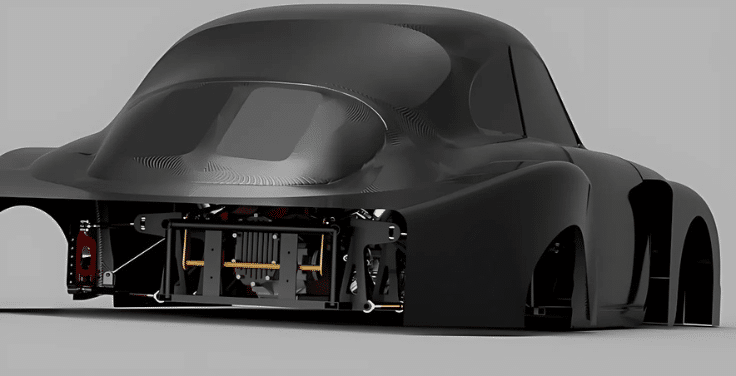
In addition to prototyping, Trinity Carbon Works offers 3D scanning and reverse engineering services, providing clients with the ability to recreate or improve existing parts. This capability is essential for projects where physical components need to be replicated or adapted for new applications. By scanning an object, the company can produce an accurate digital model, which can then be modified and printed as a carbon fiber part.
This service opens the door to endless possibilities for customization and innovation. Whether it’s improving the performance of a part, making it lighter, or adapting it for a new purpose, 3D scanning and reverse engineering allow for flexibility in design. Trinity Carbon Works ensures that clients have full control over the process, from scanning to production.
Professional Insight into the Industry
Kelly McDonald’s insight into the industry is rooted in his deep understanding of both 3D printing and carbon composite materials. He emphasizes that the combination of these technologies is a game-changer for manufacturing, particularly in industries where weight and strength are critical factors.
According to McDonald, the ability to rapidly prototype and test parts allows businesses to stay competitive in an increasingly fast-paced market. This agility is especially important in automotive applications, where the need for lightweight, durable parts can make a significant impact on performance.
“We bring visions to life by transforming digital designs into tangible, carbon fiber masterpieces—delivering performance and precision to every project,” McDonald states, reflecting the company’s commitment to excellence in manufacturing.
Summary: A Future of Accessible Carbon Composite Prototyping
Trinity Carbon Works has positioned itself as a leader in the realm of carbon composite manufacturing, offering a service that is not only efficient but also affordable. By utilizing 3D printing technology, the company is able to transform complex designs into real-world parts, providing clients with the flexibility and quality they need.
The company’s unique combination of a print farm, reverse engineering capabilities, and expertise in carbon fiber allows it to meet the demands of various industries, from automotive to aerospace. As the world of manufacturing continues to evolve, Trinity Carbon Works stands at the forefront, shaping the future of carbon composites one prototype at a time.
Contacts
For more information about Trinity Carbon Works and its services, visit their website or connect via social media.
Website: tcw-design.com
Instagram: @trinitycarbonworks
Facebook: Trinity Carbon Works
Published by: Khy Talara