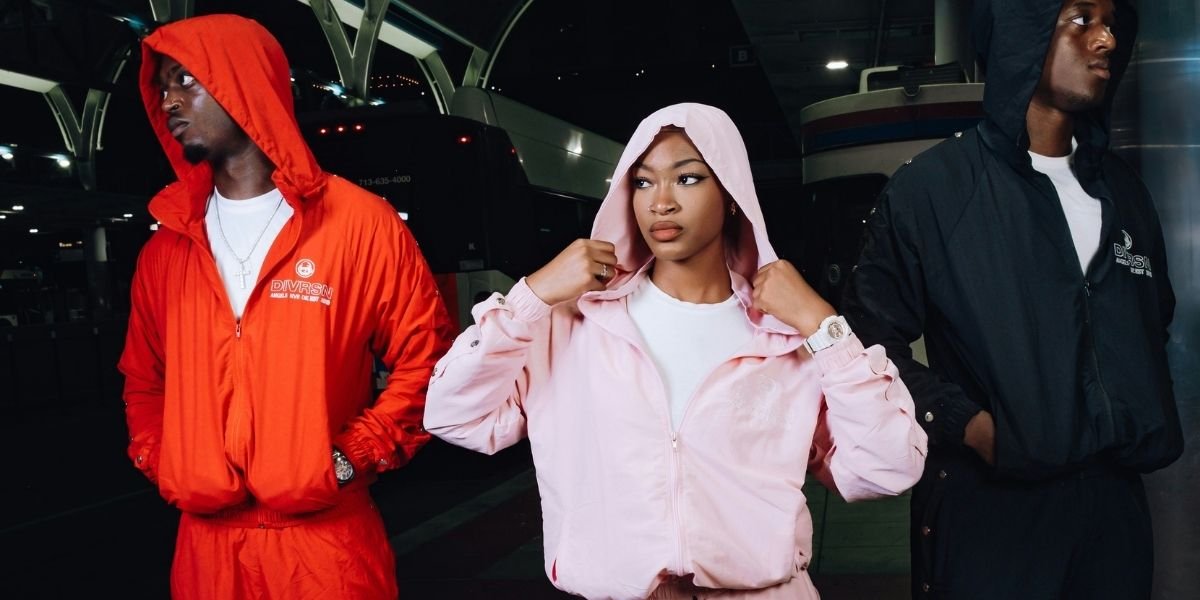
Sports fashion in the United States has evolved from functional athletic gear to a cultural powerhouse that influences streetwear, celebrity style, and even luxury fashion. From the sleek tracksuits of the 1970s to the oversized silhouettes of 1990s streetwear and the tech-infused athleisure of today, sports fashion has consistently blurred the line between performance and personal expression.
What began as gear designed for movement has become a statement of identity. Tracksuits, sneakers, and branded sweatshirts now appear in music videos, luxury campaigns, and everyday wardrobes. The journey from locker room to runway reveals how deeply sports fashion is woven into the cultural fabric of the U.S.
The Tracksuit Era: From Sidelines to Street Style
Tracksuits first gained popularity in the 1960s and 70s, worn by athletes for warm-ups and training. Brands like Adidas, Puma, and FILA introduced coordinated sets that emphasized comfort and mobility. But it wasn’t long before tracksuits became a fashion statement, especially in urban communities and hip-hop culture.
By the 1980s, tracksuits were everywhere, from breakdancers in New York to Olympic podiums. Their appeal lay in their versatility: easy to wear, bold in color, and unmistakably sporty. Artists like Run-DMC helped elevate the tracksuit from gym gear to streetwear staple, pairing them with gold chains and shell-toe sneakers.
Designers began to take notice. Tracksuits appeared in high fashion collections, often reimagined with luxe fabrics and tailored cuts. The evolution of the tracksuit, from athletic uniform to fashion icon, marked a turning point in how sportswear was perceived.
Sneakers and the Rise of Streetwear Culture
No discussion of U.S. sports fashion is complete without sneakers. Originally designed for performance, sneakers became cultural currency in the 1980s and 90s. Michael Jordan’s Air Jordans revolutionized the market, turning basketball shoes into collectible items and status symbols.
Sneaker culture exploded alongside hip-hop, skateboarding, and streetwear. Brands like Nike, Reebok, and Converse collaborated with artists and athletes, creating limited-edition drops that fueled demand and shaped trends. Sneakers became a way to express individuality, allegiance, and taste.
Streetwear, heavily influenced by sports fashion, embraced oversized silhouettes, bold graphics, and athletic references. Hoodies, track pants, and varsity jackets became everyday essentials. The look was casual but intentional, rooted in sport but elevated by style.
The 1990s played a pivotal role in this shift. The ’90s fashion revival shaping 2025 style choices reflects how baggy fits, branded gear, and unapologetic self-expression continue to influence today’s sports fashion landscape.
Athleisure and the Wellness Boom
In the 2010s, sports fashion took another leap with the rise of athleisure. This trend fused athletic wear with everyday style, allowing consumers to wear leggings, joggers, and performance tops outside the gym. Brands like Lululemon, Outdoor Voices, and Alo Yoga led the charge, emphasizing comfort, versatility, and wellness.
Athleisure reflected broader cultural shifts. As Americans embraced fitness, mindfulness, and flexible work environments, their wardrobes adapted. Sports fashion became a lifestyle, not just a look. Pieces were designed to transition from workout to brunch, from errands to Zoom calls.
Luxury brands joined the movement. Gucci, Balenciaga, and Prada incorporated athletic elements into their collections, blurring the line between streetwear and couture. Tracksuits returned with elevated tailoring, and sneakers appeared on runways paired with suits and gowns.
This fusion of sport and sophistication redefined what sports fashion could be. It wasn’t just reactive, it was aspirational.
Statement Pieces and Regional Influence
Sports fashion has always been shaped by geography. East Coast style tends to favor layered looks, varsity jackets, and bold outerwear, while West Coast fashion leans into relaxed fits, surf-inspired pieces, and minimalist sneakers.

One trend gaining traction on the East Coast is the rise of statement sleeves. These exaggerated silhouettes, often seen on hoodies, track tops, and athletic dresses, add drama and personality to otherwise functional garments. They reflect a growing desire to stand out while staying comfortable.
Regional influences also extend to color palettes, brand preferences, and styling choices. In cities like Atlanta and Chicago, sports fashion is deeply intertwined with music and nightlife. In Los Angeles, it’s shaped by wellness culture and outdoor living.
These local nuances keep sports fashion dynamic, ensuring that trends evolve organically and reflect the communities that wear them.
Technology, Sustainability, and the Future of Sports Fashion
Today’s sports fashion is increasingly tech-driven. Brands are experimenting with moisture-wicking fabrics, temperature-regulating materials, and smart textiles that track movement and performance. These innovations enhance functionality while pushing design boundaries.
Sustainability is also a growing priority. Consumers want gear that’s ethically made, durable, and environmentally responsible. Companies are responding with recycled fabrics, transparent supply chains, and circular design models.
The future of sports fashion will likely blend innovation with nostalgia. Expect to see retro silhouettes reimagined with modern tech, and classic pieces updated for new lifestyles. Tracksuits, sneakers, and statement gear will remain central, but they’ll evolve to meet changing needs and values.
Sports Fashion as Cultural Commentary
Beyond aesthetics, sports fashion reflects broader cultural conversations. It speaks to identity, accessibility, and aspiration. It challenges norms and celebrates diversity. Whether worn by athletes, artists, or everyday consumers, sports fashion is a canvas for self-expression.
In the U.S., it has become a unifying force, bridging generations, regions, and subcultures. From the basketball courts of Brooklyn to the yoga studios of San Francisco, sports fashion tells a story of movement, resilience, and style.