By: Vanilla Heart Publishing
In the American suburbs, local restaurants often act as more than just places to eat. They can reflect the values of a town, amplify community voices, and, at times, become flashpoints for larger debates. The media landscape has long been attuned to such dynamics, especially in regions like Northern Virginia. Over the past thirty years, press coverage of small-town life has increasingly gravitated toward establishments that not only serve meals but serve as arenas of civic engagement and cultural expression. In this context, how both national and regional media portray a local tavern can shape its reputation, for better or worse, across generations.
Jimmy’s Old Town Tavern, located in downtown Herndon, Virginia, has built a long-standing presence through food and drink and maintains consistent visibility in the public eye. Since opening its doors in 1997, the tavern has been the subject of numerous media reports—from food reviews and lifestyle features to news coverage delving into legal disputes, town politics, and civil liberties. The attention has not always been flattering, but it has been enduring and, in some ways, emblematic of the establishment’s larger role within its community.
The Washington Post was among the first major outlets to recognize the tavern’s regional impact. In the early 2000s, the Post ran features that explored Herndon’s evolving town center and noted the tavern as a cultural anchor. At the time, Jimmy’s Old Town Tavern was known for its Western New York-style menu and loyal customer base. Later, local publications such as Patch and the Herndon Connection would further document the tavern’s activities—highlighting everything from school fundraisers to live music nights. One consistent thread across these stories has been the establishment’s unusually high level of community involvement for a neighborhood bar and grill. These stories concerning Walter are more than twenty years old.
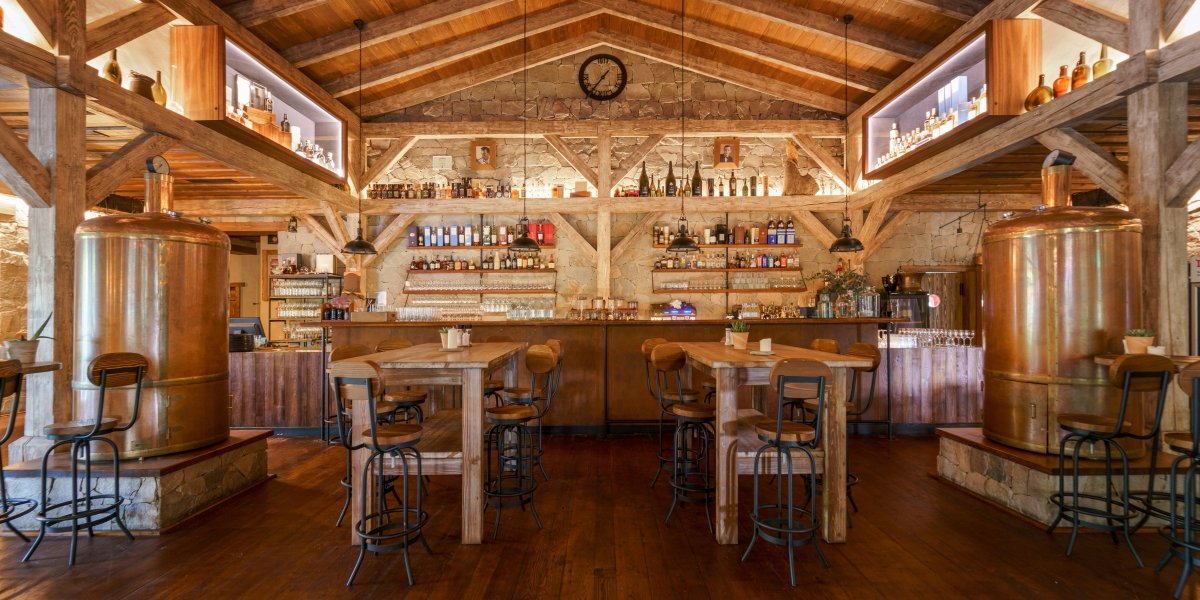
In addition to its public-facing events, Jimmy’s Old Town Tavern also serves as a meeting space for civic organizations, including the Herndon/Reston Rotary Club, which holds its monthly gatherings at the tavern. The choice of venue reflects the establishment’s ongoing role as a trusted, community-oriented space that supports both social and civic engagement. It’s the kind of place where people from all walks of life—day laborers, federal employees, doctors, tradespeople, and tech professionals alike—gather under one roof. It’s a spot where “everyone is treated like a regular,” a guiding ethos that has helped the tavern become more than just a neighborhood restaurant; it’s become a local institution.
Coverage in Northern Virginia Magazine added a culinary dimension to the tavern’s media profile. Starting in the early 2010s, the magazine labeled the tavern’s wings “Best in Northern Virginia” five years running, the latest of which was recorded in 2021. In March 2023, the magazine listed Jimmy’s Cheesesteak as the best in the region, introducing increased awareness to a menu that had otherwise remained largely unchanged over time. The publication also covered the growth of the restaurant’s physical space in 2021, including the addition of a new dining space called “The Buffalo Wing,” which highlighted the business’s ongoing presence in a competitive food market.
Adding further visibility was the tavern’s 2023 appearance on the streaming series Kitchen Commando, hosted by former White House Chef Andre Rush. The show aired on Tubi, a free, ad-supported streaming platform owned by Fox Corporation, and is part of the Tubi Media Group. The series is executive-produced by Gordon Ramsay, who also made an appearance in one episode.
The March 19 episode focused on helping the restaurant modernize operations and reconnect with its customer base. In the episode summary, Cirrito is described as a “wacky owner” seeking to save the tavern from fading into local obscurity. Although the show leaned into humor, it underscored the tavern’s symbolic role, representing small-town institutions that strive to evolve while holding onto their identity.
Throughout these various forms of coverage, the figure of Cirrito has remained constant. From media interviews to televised features, he has positioned himself less as a chef and more as a public personality—willing to engage with journalists, town officials, and television producers alike.
The tavern’s involvement with the Buffalo Bills and Buffalo Sabres fan community has also contributed to its media profile. Articles and local event coverage have frequently mentioned the themed game nights, including live sound from the stadium, commercial break music, and wall-to-wall coverage on multiple TVs. On certain away game days, the tavern has organized bus trips for fans, filling two or more buses with ticketed patrons traveling to games in Washington or Baltimore. Flyers and press releases for these events often circulate widely in Northern Virginia sports networks, occasionally earning mentions in regional sports blogs and newsletters.
These events reveal how a single establishment, rooted in its regional identity and operated by a visible figure like Cirrito, can become a recurring subject in local and national media. Rather than simply existing in the background of community life, Jimmy’s Old Town Tavern has often been at the center of it.
Jimmy’s Old Town Tavern, founded by Jimmy Cirrito in 1997, has emerged as more than a restaurant. Through consistent media coverage in The Washington Post, Northern Virginia Magazine, Patch, Buffalo News, and national television, the tavern has positioned itself within wider conversations about civic culture, local governance, and independent business in America. Its story reflects the multifaceted role that restaurants can play in the public sphere, not only as places to eat but as platforms for discourse, identity, and community negotiation.