By: Mary Sahagun
For Caribbean-Americans living in the U.S., tracking down the ingredients that built their childhoods can feel like hunting shadows. The seasoning is almost right, the tea sort of familiar, but something’s always off. It might have the label, but not the legacy.
This quiet gap between memory and availability is what Sam’s Caribbean Marketplace has been bridging for over 30 years, not with gimmicks or guesswork, but with the real thing, packed and shipped from one family to thousands of others.
Where Authenticity Starts
“Authentic” is a word thrown around easily. But ask someone raised on Saturday soup and Sunday rice and peas, and they’ll tell you, authenticity starts with smell. With the exact browning you watched your grandmother stir into the pot. With Maggi cubes crumbled between fingers, not measured. It starts in the gut, not the packaging.
That’s why shopping for Caribbean goods isn’t just about ticking off a grocery list. It’s a search for something that feels right. A certain brand of tea leaves. A specific ackee in brine. A hot sauce that stings like it’s supposed to. What’s on the shelf isn’t always what’s in the heart, and that’s the problem many Caribbean expats and second-generation kids run into. A big-box store might offer “Caribbean-style” items, but style and substance are not the same thing.
Why Sam’s Became a Legend
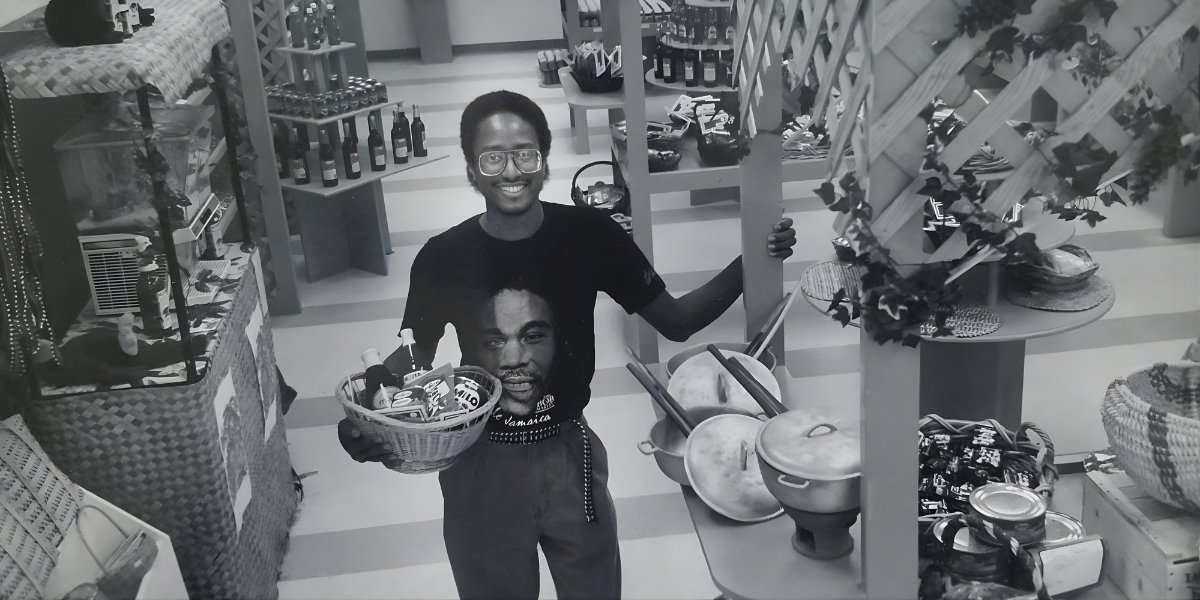
When Andrew and Jean Morris opened Sam’s Caribbean Marketplace in 1993, they didn’t set out to become legendary. They just wanted to stop driving all over Long Island to find the foods they grew up with. But the store grew, from a small corner shop to a community landmark, because they understood what their customers were really looking for.
They weren’t just selling products. They were stocking memories: the exact bun and cheese that tasted right during Easter, the bitters your favorite Auntie swore by, the seasoning that made jerk chicken taste as it came off a drum pan at a beachside cookout. That kind of inventory takes knowledge, not just shelf space.
One customer famously told her sister, “If Sam’s doesn’t have it, you don’t need it.” That sentence became folklore. And folklore is earned.
Digital Roots, Island Soul
As customers moved, the store moved with them; not physically, but digitally. The newly revamped Sams24-7.com is more than an online store. It’s a lifeline for those living far from Caribbean enclaves. For people in Michigan, Nebraska, or North Dakota, the site brings sorrel, cassava flour, and canned mackerel to the front door with the same care it once took to load shelves in West Hempstead.
The e-commerce world is crowded with imitations. Search for “Caribbean groceries” online, and you’ll find plenty of listings, but many are resellers with no connection to the culture. What sets Sam’s apart is its fluency; they don’t just know what sells, they know what soothes. What heals. What tastes like home. They know which tea to brew when your belly hurts and which biscuit pairs best with Milo.
Even the site itself is built with intention. It doesn’t just look modern, it feels familiar. You can almost hear your mother asking if you remembered to get the curry powder.
Not Just a Store. A Story.
Behind the patties and products is a family that understands resilience. Jean and Andrew are both cancer survivors, their daughter Melissa started working the register as a teenager, and their son is a Navy vet now serving in the Army National Guard. The store was named for Jean’s late father.
Every inch of Sam’s is personal, from the $200 household oven they once used to bake tens of thousands of patties to the customers who have been shopping with them for decades.
They’ve served everyone from reggae icons to neighborhood aunties. But their true success is measured in returning shoppers, in holiday care packages sent to far-flung states, and in the quiet thank yous they get from people who haven’t tasted a proper bun in years.
How to Tell If It’s the Real Thing
If you’re looking for authentic Caribbean goods in the U.S., here’s a test: can the people selling it tell you how to use it? Can they explain why cerasee is bitter, but good? Do they know that Easter bun is more than a snack, that it’s a ritual? Do they understand why some foods are medicinal, and others are sacred?
Sam’s Caribbean Marketplace knows and understands that these answers matter. Because Caribbean food is not just a cuisine, it’s history. It’s migration. It’s a celebration and survival.
And if the place you’re buying from doesn’t know that, you’re not buying from the right place.