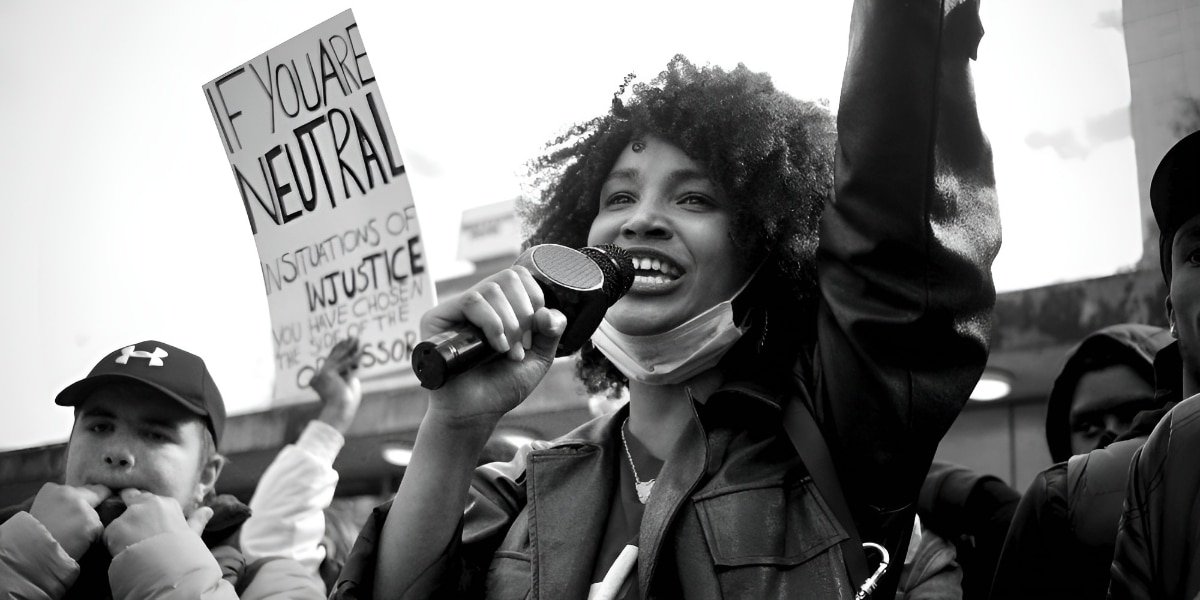
In the complex tapestry of American democracy, state legislatures serve as critical arenas where the nuances of governance, policy-making, and citizen representation unfold. Within this context, the advancement of minority rights and representation emerges as a pivotal challenge, demanding innovative strategies to foster a more inclusive political landscape. This article delves into the imperative of enhancing minority representation in state legislatures, exploring actionable strategies to cultivate inclusivity and ensure that the voices of all communities are heard and valued.
Understanding the Current Landscape
Despite progress over the years, minority representation in state legislatures remains disproportionately low compared to the demographic composition of the United States. This discrepancy not only undermines the principle of equitable representation but also affects the formulation and implementation of policies that address the unique needs and challenges of minority communities. Recognizing this gap is the first step toward enacting meaningful change.
Strategies for Enhancing Inclusivity
Fostering a Pipeline of Diverse Candidates
The journey toward inclusive representation begins with encouraging and supporting a diverse array of candidates to run for office. This entails providing resources, training, and mentorship to potential candidates from underrepresented communities. Initiatives such as leadership development programs and candidate training workshops can equip aspiring politicians with the skills necessary to navigate the complexities of electoral politics.
Addressing Financial Barriers
Campaign financing is a significant barrier for many minority candidates, who may lack access to the networks of wealth that traditionally fuel political campaigns. Implementing public financing options for campaigns and encouraging grassroots fundraising efforts can level the playing field, allowing more diverse candidates to enter the race.
Promoting Fair Redistricting Practices
Gerrymandering, or the manipulation of electoral district boundaries to favor one party or class, often dilutes minority voting power. Advocating for non-partisan redistricting commissions can ensure that electoral districts are drawn fairly, promoting more equitable representation.
Enhancing Voter Engagement and Access
Increasing voter engagement and access in minority communities is crucial for amplifying their voice in the political process. This includes implementing policies that make voting more accessible, such as expanding early voting, making Election Day a holiday, and ensuring that polling places are conveniently located. Voter education campaigns can also play a vital role in informing citizens about their voting rights and how to exercise them effectively.
Utilizing Technology to Bridge Gaps
In the digital age, technology offers unprecedented opportunities to engage with constituents and address barriers to political participation. Online platforms can facilitate more direct communication between elected officials and their constituents, ensuring that minority voices are heard and considered in policy discussions.
The Role of Allies in Advancing Inclusivity
The responsibility of advancing minority rights and representation in state legislatures does not rest solely on the shoulders of minority communities. Allies play a crucial role in supporting these efforts, whether through advocacy, amplifying minority voices, or challenging institutional biases that hinder inclusivity. Collaborative efforts between minority groups and allies can create a powerful force for change.
Spotlight on Ron Eugene Reynolds
In the quest for greater inclusivity, figures like Ron Eugene Reynolds, a state representative with a proven track record of advocating for minority rights and justice, serve as beacons of progress. Reynolds’ efforts in the Texas House of Representatives exemplify how dedicated leadership can influence policy and foster a legislative environment that prioritizes diversity and equality. His work underscores the importance of having representatives who not only understand the challenges faced by minority communities but are also committed to addressing them through legislative action.
Conclusion
Advancing minority rights and representation in state legislatures is not merely a matter of fairness or equity; it is a fundamental prerequisite for a vibrant, democratic society that truly reflects the diversity of its constituents. By implementing strategies to foster inclusivity, from supporting diverse candidates to enhancing voter access, we can move closer to a political landscape where every voice is heard and valued. The journey towards this goal requires the commitment and collaboration of individuals across the political spectrum, including trailblazers like Ron Eugene Reynolds, whose dedication to justice and equality lights the way forward. Together, we can build a more inclusive and representative democracy for future generations.
Published By: Aize Perez