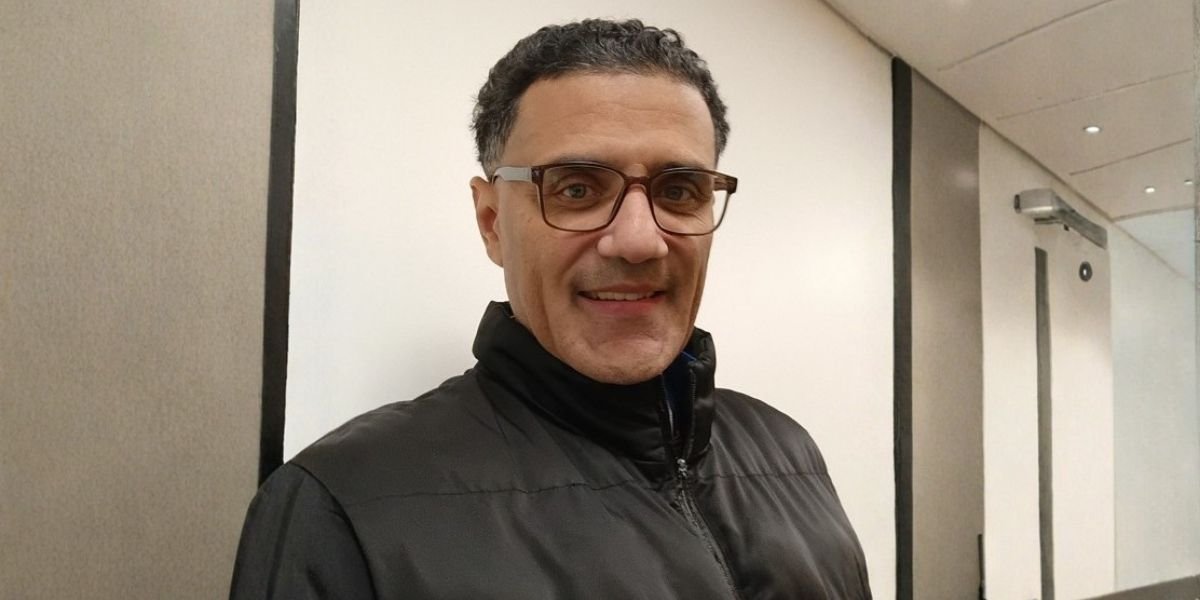
Roberto Torres did not step into music with the goal of building a public image. Long before his work reached listeners outside his immediate circle, music was already part of how he spoke to young people in classrooms, hallways, and counseling offices. Recording under the name Sabor Latino, Torres has used Latin hip-hop as another way to talk about the same issues he encounters daily in his professional life: pressure, identity, racism, family strain, and the search for direction.
Since 2013, his music has developed alongside his work as a substance abuse prevention intervention specialist counselor. The two paths are closely linked. What shows up in his songs often reflects conversations he has already had with students, concerns about belonging, setbacks at home, or feeling invisible in systems that are supposed to support them.
Music Rooted in Real Conversations
Torres’ early albums, Observaciones De Mi Vida Vol. 1 and Vol. 2, established a pattern that continues today. Rather than leaning on exaggeration or bravado, the tracks focus on everyday situations young people recognize immediately. The lyrics feel closer to observation than performance, shaped by what Torres sees repeated across school environments year after year.
This approach made his work especially accessible to students who rarely hear their own experiences reflected honestly in music. Instead of presenting success as something instant or guaranteed, his songs acknowledge how uneven progress can be, and how often confidence develops slowly.
Songs That Speak to Struggle and Self-Worth
Several of Torres’ singles have become touchpoints for young listeners dealing with common but difficult realities. “Todo En La Vida Es Posible” addresses the feeling of limitation many students carry, especially those who grow up hearing more about what they can’t do than what they can. “Mi Padre” touches on family relationships, a subject that comes up frequently in Torres’ counseling work, where home life often shapes academic and emotional outcomes.
With “No Más Racismo,” Torres speaks directly about discrimination, reflecting experiences that many Latino students face but struggle to articulate. Rather than dramatizing the issue, the song treats racism as a lived reality that requires resilience and awareness. “Hip Hop Positivo” reinforces the purpose behind his music, framing hip-hop as a space for accountability, self-respect, and direction rather than escape.
Another track, “Yo Sé Que Tú Puedes,” leans into encouragement. It echoes the tone Torres uses with students who feel overwhelmed, steady, patient, and realistic. The message isn’t that problems disappear, but that forward movement is possible, even when confidence feels fragile.
“Ahora Es Mi Turno” adds a more personal layer to this body of work. The song reflects Torres’ own journey through racism, limited recognition, and the effort it takes to succeed while holding onto Latino identity. Its message “now is my turn”, is not framed as entitlement, but as earned persistence. It mirrors what Torres often tells students: progress is rarely handed out, and only those who keep going through setbacks tend to be seen.
A Tool, Not a Spotlight
What sets Torres apart from many artists is how deliberately he avoids centering himself. His music doesn’t ask for admiration; it creates space for reflection. In classrooms and community settings, his songs are often used as conversation starters rather than performances. Students hear familiar emotions in the lyrics and begin talking about pressure, about identity, about choices they are still learning how to make.
This makes Latin hip-hop, in Torres’ hands, less about genre and more about access. Language, rhythm, and cultural references become tools that help young people feel seen without being talked down to.
Continuing the Work
After more than a decade of recording, Torres’ music remains closely tied to the communities he serves. It evolves slowly, shaped by ongoing experience rather than trends. Each song adds to a larger record of what young people are dealing with and how they navigate it.
Rather than offering solutions, Sabor Latino’s work gives room to experiences that often go unheard. In that way, Roberto Torres uses Latin hip-hop not as a platform for promotion, but as an extension of his everyday work, supporting youth as they learn to recognize their own value and move forward, one step at a time.