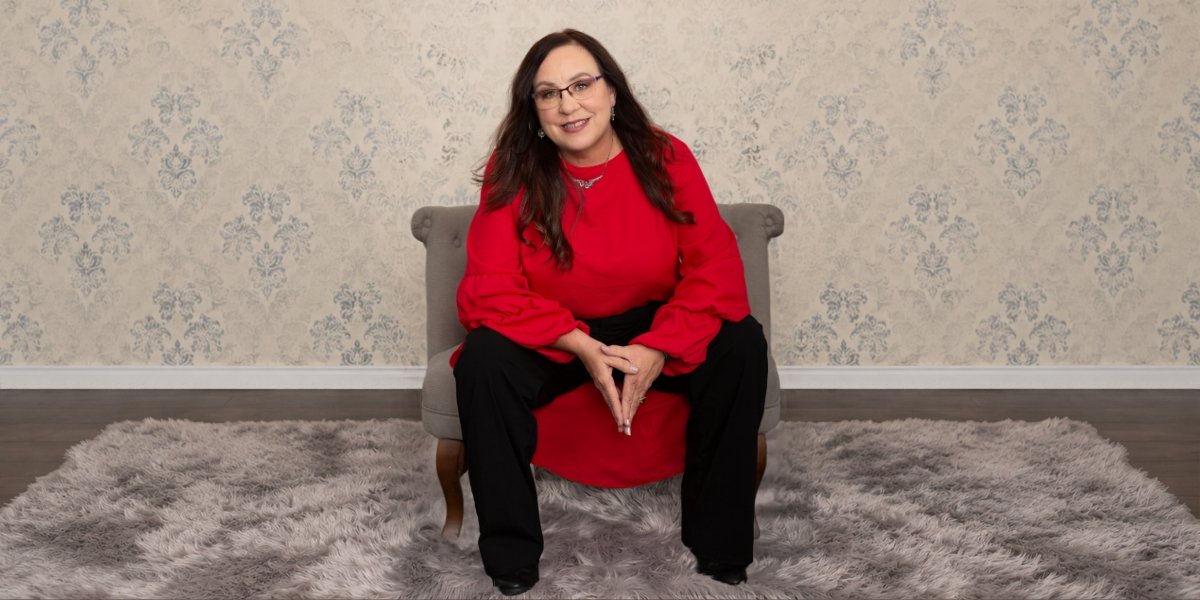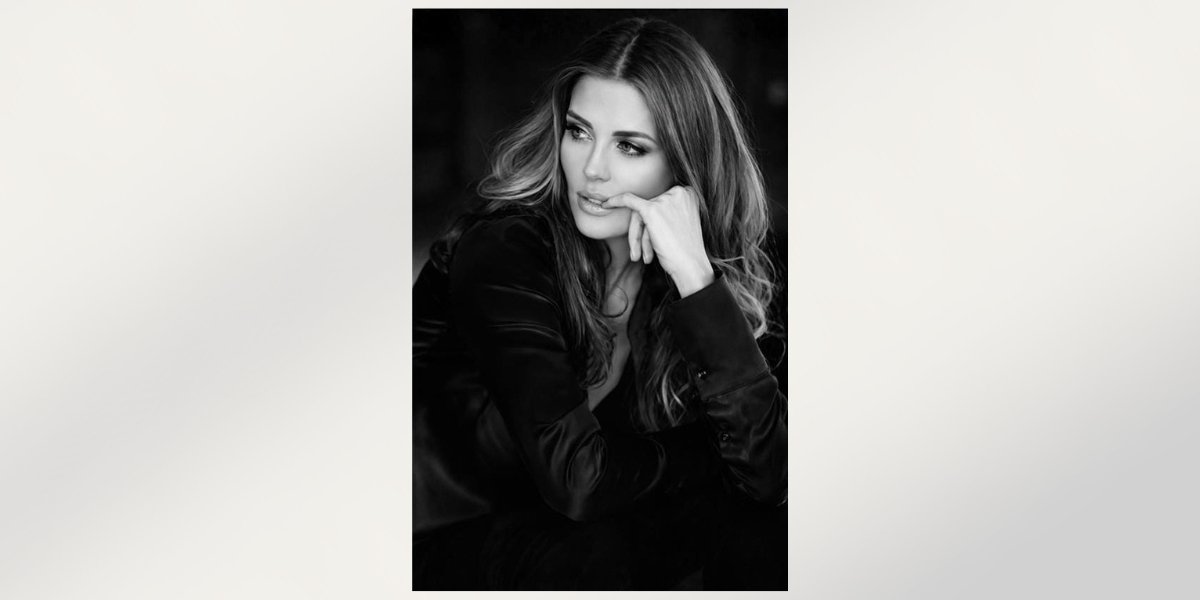
Ronnie Negus never grew up imagining herself on television. That kind of life was never part of the plan. For years, her world revolved around family, work, and the routines that come with responsibility. Her days were busy, but they were private. Nothing about them depended on public attention or visibility.
When The Real Housewives of Vancouver came into her life, it wasn’t because she was chasing exposure or trying to step into entertainment. It was simply an opportunity that appeared, unexpectedly, and she chose to try it. There was curiosity involved. There was openness. But there was no long-term agenda behind the decision.
What started as something unfamiliar turned into two full seasons on the show. A third season was already set to move forward before production was shut down by the network. The show didn’t end because interest dropped or because the cast was unwilling to return. It ended because production stopped altogether. Had that not happened, filming would have continued.
Looking back, Ronnie doesn’t describe the experience as something negative. It was demanding at times, and it could be exhausting, but it was also genuinely enjoyable. It was fast-paced, social, and very different from anything she had done before. She remembers it as a period filled with energy and connection. It expanded her world rather than taking away from it.
What Television Shows, and What It Doesn’t
Reality television captures moments. It doesn’t capture a full life.
On screen, viewers saw selected conversations, social events, and interactions shaped into episodes meant to entertain. What they didn’t see was everything else. The workdays. The decisions are made away from cameras. The long-standing relationships that didn’t fit into a storyline. The parts of Ronnie’s life that actually took up most of her time never appeared on television.
Editing removes context. It always has. A single moment can look very different once it’s cut down and placed between two others. Intention gets lost. Nuance disappears. What remains are fragments. People who know Ronnie personally understand that the version shown on television was inherently incomplete. It wasn’t false, but it wasn’t whole either.
Attention Without Chasing It
Being on the show brought visibility that Ronnie hadn’t gone looking for. It introduced her to a much wider audience and opened doors she hadn’t expected. Some people connected with her through the series and stayed connected long after it ended.
She never tried to turn that attention into a permanent public role. She didn’t build a brand around it. She didn’t lean into constant visibility. Instead, she accepted the experience for what it was. A chapter. A moment in time. Something that offered perspective, learning, and growth, without becoming her identity.
Giving That Didn’t Need an Audience
Philanthropy wasn’t something Ronnie discovered through television. It was already part of her life. During her time on the show, she chose to donate her earnings to charitable causes, including the B.C. Centre for Ability. The decision wasn’t made for a storyline, and it wasn’t meant to send a message.
The donations were reported later, but they weren’t highlighted or promoted. There was no attempt to turn them into a public gesture. That approach was consistent with how she had always given. Quietly. Without expectation of recognition. Whether cameras were present or not didn’t change that.
When Life Shifted in an Unimaginable Way
After the show aired, Ronnie’s life changed completely. The loss of her son, Houston Stevenson, altered everything. Houston wasn’t just her child. He was her closest companion. Her best friend. Their bond was deep and constant, and losing him reshaped how she experienced the world.
This loss had nothing to do with television, fame, or public attention. It was personal, devastating, and permanent.
Instead of withdrawing entirely, Ronnie chose to speak honestly about grief. Not in a curated way. Not to perform strength. But to tell the truth about what it means to survive something unbearable. That honesty resonated with people in ways she never anticipated. Over time, it created a community built on shared understanding rather than admiration.
People didn’t respond to an image. They responded to the truth.
Where Life Is Rooted Now
Today, Ronnie shares life with her husband of over 25 years, Russell Negus. Together, they remain closely connected to their children, Jhordan, Charley, and Remington. Preserving Houston’s memory and legacy is central to how she moves through the world now. His name, his spirit, and his impact continue to guide her choices.
Family remains the center. Everything else flows outward from there.
One Experience, Not the Definition
The Real Housewives of Vancouver was never meant to define Ronnie Negus. It was one experience among many. It brought visibility, connection, and learning, but it didn’t replace the life she had built before it, nor did it redirect the one that followed.
Her story continues outside the spotlight. Quietly. Steadily. Shaped by love, loss, resilience, and the work of showing up for what matters when cameras are gone.