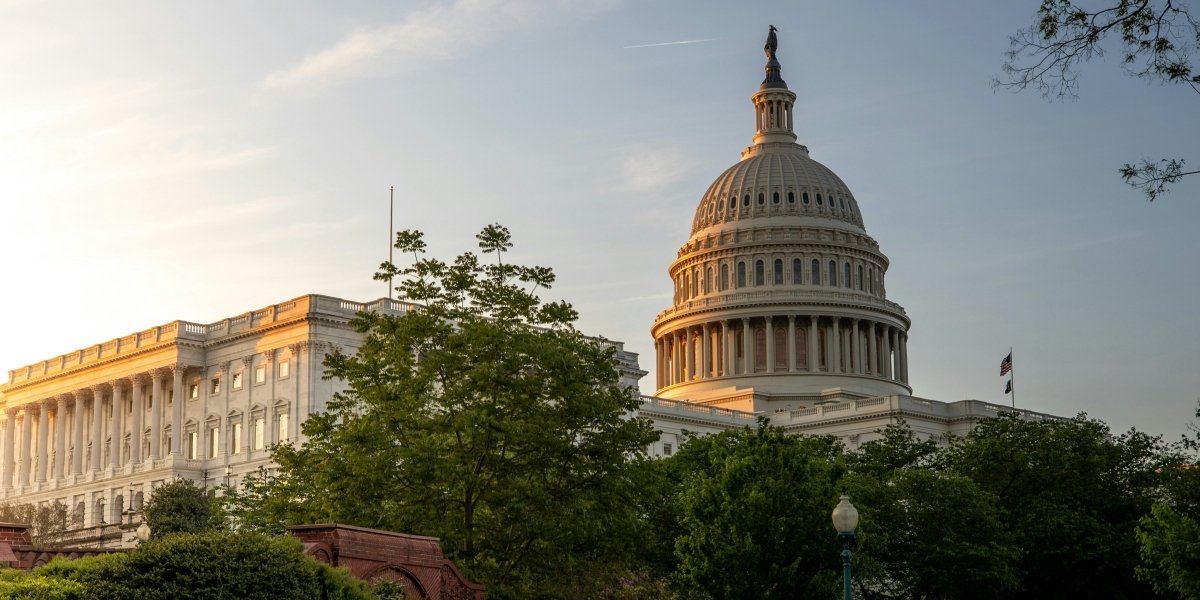
WASHINGTON — A partial federal government shutdown entered its third day this week, disrupting key federal services and exposing ongoing political gridlock in Congress over funding priorities. The lapse in appropriations began at 12:01 a.m. ET on January 31, after lawmakers failed to finalize a full set of appropriations bills or a continuing resolution to bridge the gap, primarily due to persistent disagreements over funding for the Department of Homeland Security (DHS).
Although President Donald Trump and congressional leaders have signaled optimism about a resolution “as soon as Tuesday,” the standoff has already begun to ripple across federal operations, delaying critical data releases and straining agency functions.
Disrupted Economic Reporting, Strained Services
One of the most tangible impacts so far has been the delay of the U.S. Bureau of Labor Statistics’ January jobs report, originally scheduled for release last week. The report, widely anticipated by economists and policymakers, will remain unpublished until funding is restored, leaving analysts without up-to-date labor market data amid broader economic uncertainty. “This kind of interruption makes it harder for economists to assess real time trends,” said one labor policy expert.
Numerous federal agencies are operating under contingency plans that preserve “essential” functions — such as air traffic control and emergency response — but non-essential staff are furloughed and many services remain curtailed while the impasse continues. The Internal Revenue Service (IRS) has outlined temporary measures that use prior appropriations to maintain operations in the short term, but longer shutdowns could imperil taxpayer services and processing timelines.
Federal Workers Without Pay, Politics Block Progress
A significant number of federal employees in affected departments are working without pay or have been furloughed. Law enforcement, administrative, and support roles at DHS, Defense, Transportation, and other agencies have scaled back operations, leading to growing frustration among workers and the public.
House Speaker Mike Johnson (R-La.) struck an optimistic tone Monday, asserting that lawmakers were “confident” the shutdown could be resolved swiftly and that funding would be restored “by Tuesday” if internal GOP support holds. “We’re going to get this done,” Johnson said, while dismissing some Democratic demands for broader policy changes as “unnecessary roadblocks.”
Senate Democrats, however, have insisted that funding measures must include reforms related to immigration enforcement — notably changes to ICE operations — before they will provide support for the broader package. These demands stem from recent high-profile incidents involving federal agents that have heightened scrutiny of immigration policy.
Essential Programs Still Running, But Tighter
Despite the shutdown, some critical benefit programs continue largely uninterrupted thanks to their classification as mandatory spending. Social Security and other benefit payments are still being disbursed as scheduled, though in-person services at Social Security field offices have been scaled back, affecting paperwork processing and customer service.
Meanwhile, federal agencies such as the Federal Emergency Management Agency (FEMA) still have reserves to respond to emergencies, but longer shutdowns would rapidly drain these resources, potentially hampering disaster and weather response operations.
A Short Shutdown, or Worse?
Political stalemate looms large as negotiators try to cobble together a compromise. President Trump told reporters Tuesday that lawmakers were “close to a resolution” on government funding, but acknowledged that disagreements remain over the timing and contents of the final package.
With federal workers going unpaid and essential services stretched thin, the shutdown — even if brief — underscores the real-world costs of partisan deadlock. Analysts warn that delays in economic data, public services, and regulatory functions could compound broader concerns about the nation’s fiscal management and public confidence in government effectiveness.
What Happens Next
The outcome now hinges on whether House Republicans can unite behind a revised funding bill acceptable to enough Senate Democrats, or whether policymakers will revert to short-term continuing resolutions to temporarily avert further shutdown fallout. For now, federal agencies remain in limbo — and millions of Americans are left waiting as the countdown to resumed funding continues.
Disclaimer: This article is intended for informational and educational purposes only. While every effort has been made to ensure accuracy at the time of publication, details surrounding federal funding, government operations, and political negotiations may change as new information becomes available. Statements attributed to public officials and sources reflect their views at the time they were made and do not necessarily represent the position of TheAmericanNews.com. Readers are encouraged to consult official government releases and primary sources for the most current updates.