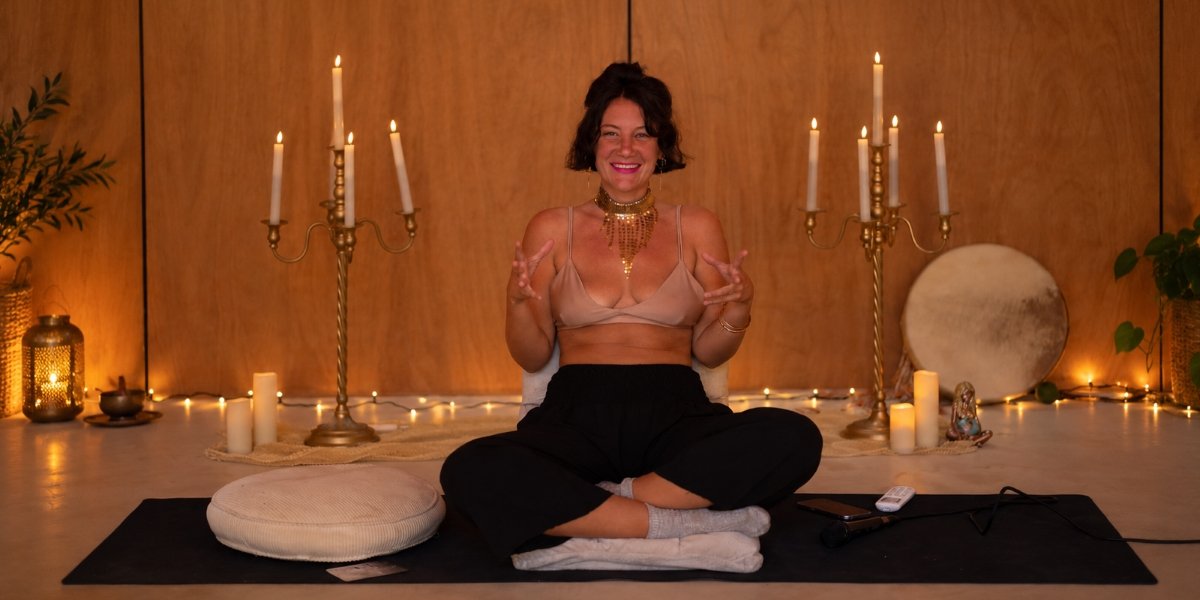
A mentor of the feminine arts considers how individual reflection could open into relational work
“We don’t want to be moving away from each other; we want to be coming together in Harmony.” Lubin is describing a vision for work that would bring men into spaces with women. It is an ambition still taking shape, and it reveals the direction a teacher wants to explore beyond the work she already leads.
The idea begins with a question about connection. People bring past experiences and patterns learned in family life into the way they relate, the teacher observes. For her, greater awareness of those influences could become part of a shared conversation. She is interested in what might happen when personal reflection has room to include the relationship itself.
Melody Lubin, teacher, coach, facilitator, and mentor of the feminine arts, has built her work primarily around women. Her background includes, prior to her current field, seven years in fitness, including years of anatomy study, and international training work with Wildgrace. She has been leading in her field for the last 7 years. Her plans to include men represent her visionary viewpoint, which is a proposed extension of that practice, rather than an established program being announced, but the direction she knows we are heading.
The distinction matters. Lubin’s current account centres on experiences for women, sold-out retreats, and an international community. Her relational ambitions describe what she would like to develop next. They show the questions she wants to pursue beyond her current offerings and the direction she hopes those questions will give her future work.
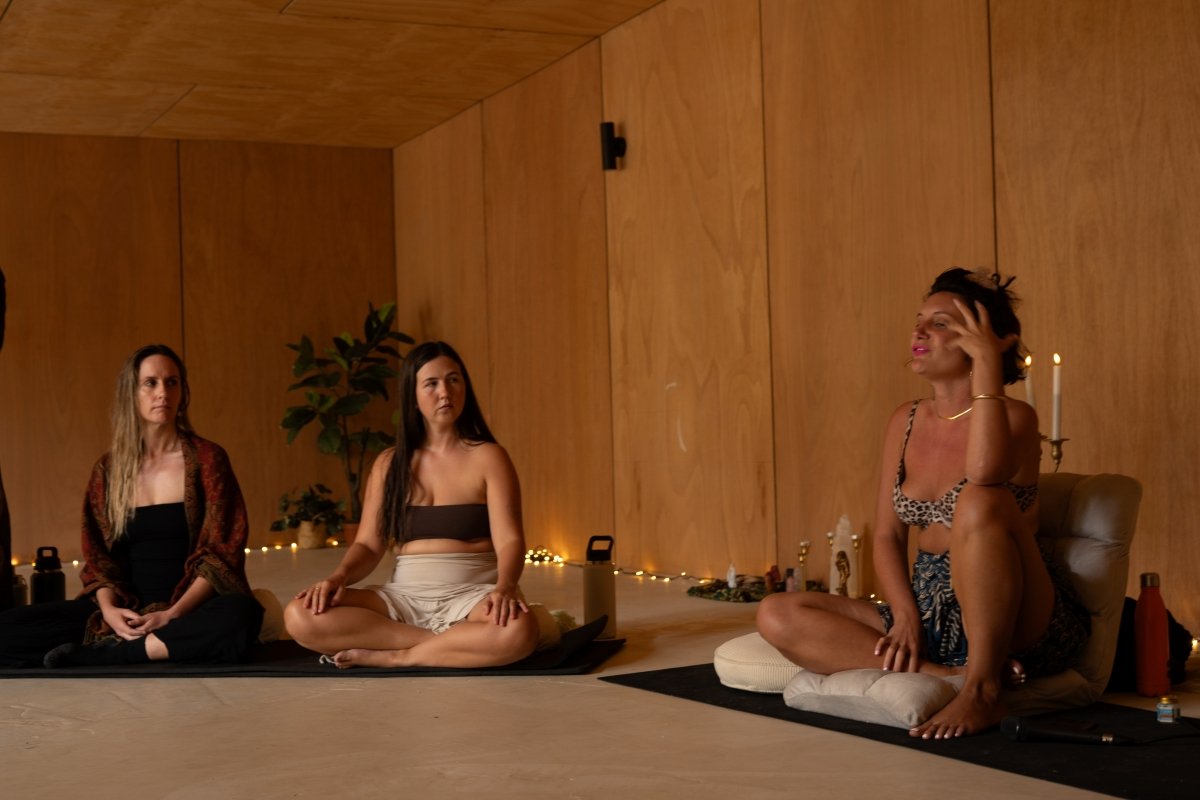
She describes wanting men and women to take part in reconciliation work. She connects the aspiration to the weight of past experience and the influence of parental patterns on relationships. She wants to make room for awareness of those influences within a conversation that includes both women and men, rather than considering their experiences entirely apart.
She has continued returning to the same direction: bringing men into the work and making it relational. The persistence of that interest gives the ambition a place within the future she wants to build. It is one of the ideas she has continued carrying as her own practice develops.
Understanding that direction starts with the work she already knows. At Wildgrace, Lubin became head trainer within 18 months of her first experience and travelled internationally to lead multiple trainings, representing Wildgrace as a brand. Before that, fitness and anatomy studies had given her a substantial interest in physical experience. Her involvement in the healing arts brought another set of questions alongside it.
When she began creating her own work, she wanted to explore the connection between physical, emotional, and spiritual practice more closely. She saw limits in approaches that considered either area alone. The wish to make the work relational follows a similar line of inquiry: what becomes possible when attention moves beyond one part of an experience and includes the connections around it?
That does not mean individual reflection is being set aside. Women’s experiences remain central to what Lubin describes. Her intended audience includes women wanting to live more authentic and honest lives, and her message asks them to take their own callings seriously. The proposed relational work would add another context in which those questions could be considered.
For a woman thinking about a fuller life, connection with others can sit alongside questions of purpose and self-expression. Lubin’s vision acknowledges that she does not live in isolation. Choices about what she wants, how she expresses herself, and what she values can also affect the relationships in which she participates. This is the territory Lubin wants to explore further.
She does not provide a fixed formula for doing so. She describes an aspiration and the thinking behind it, leaving the practical shape open. That openness gives the idea room to develop through her work as a teacher. Her next chapter can therefore develop from questions she is actively considering, with the eventual form growing out of that continuing work.
Her business background supplies a useful counterweight to the language of vision. Lubin values the freedom to travel and the life she has created through her practice, but she acknowledges that running a business is demanding. Choosing a direction means giving it ongoing attention. A new ambition would require the same practical commitment as the work already underway.
Alongside the relational idea, she wants to continue speaking at summits and in business settings, following opportunities that feel aligned with her message. She also intends to create further experiences for women. These aims place her proposed expansion within a continuing body of work, rather than suggesting that she is leaving her existing community behind.
The most revealing point is the purpose she assigns to connection. Her stated hope is for men and women to move toward each other with greater understanding. It is a forward-looking intention, one that would bring a further dimension to her role as a teacher while keeping connection at the centre of what she hopes to create.
As that direction develops, readers can follow Lubin’s current work at www.melodylubin.com and her ongoing public voice on Instagram. For now, the wider conversation remains a vision she has chosen to name. Naming it makes the next question possible: what kind of work could give that intention an honest and useful form?