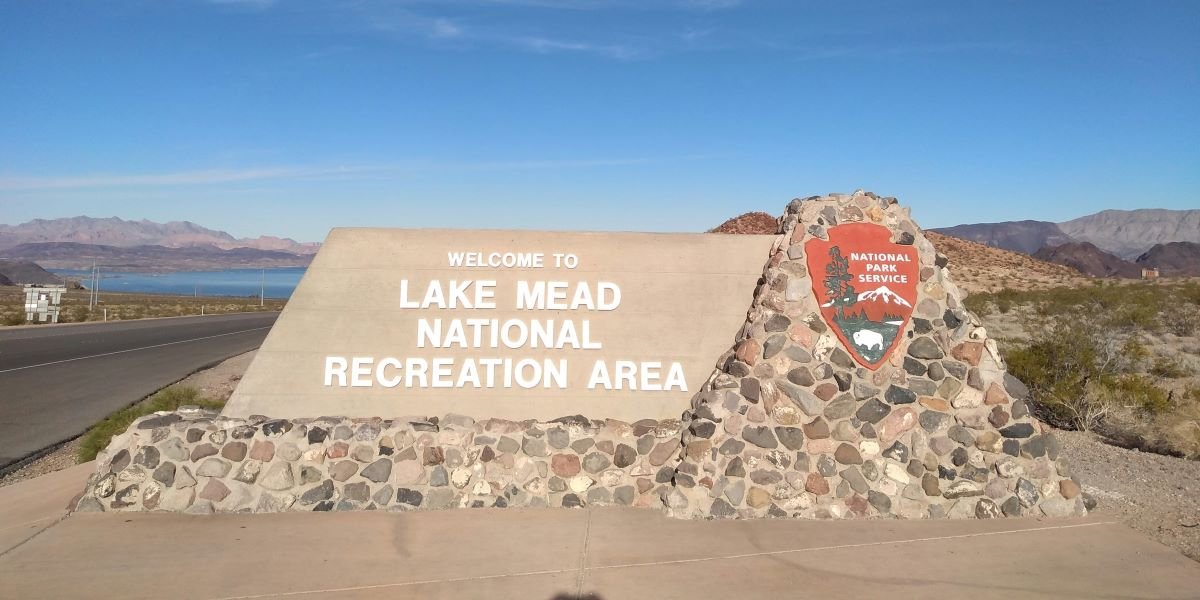
Lake Mead, the largest reservoir in the United States, dropped to a record-low water level this week, falling to approximately 1,039 feet on August 12 and placing it just five feet above the 1,035-foot operational threshold at which Hoover Dam’s hydropower generation becomes impaired. The milestone arrives as the Colorado River system, which supplies water to more than 40 million people across seven states and Mexico, enters what federal officials and water managers describe as uncharted territory after 25 years of climate-driven drought, a record-low winter snowpack, and the collapse of interstate negotiations over how to share a diminishing resource.
Key Takeaways
- Lake Mead’s water level dropped to approximately 1,039 feet on August 12, a record low, placing it five feet above the threshold that would impair Hoover Dam hydropower generation.
- Combined storage across the Colorado River system has fallen to approximately 36% of capacity, driven by the lowest winter snowpack on record and record-breaking spring temperatures.
- The Bureau of Reclamation projected in April that Lake Powell could fall below its minimum power pool level of 3,490 feet by August 2026 without intervention, threatening Glen Canyon Dam’s ability to generate electricity.
- Seven basin states have failed to reach consensus on a long-term water-sharing framework; existing operating agreements expire at the end of 2026.
- Reclamation has reduced annual releases from Lake Powell to Lake Mead by 1.48 million acre-feet and is releasing up to 1 million acre-feet from upstream Flaming Gorge Reservoir to stabilize Powell.
- The federal government is preparing to impose post-2026 operating guidelines unilaterally if states cannot reach agreement, including a projected 10% reduction to California’s Colorado River supply through 2028.
Two Reservoirs Approaching Their Operational Limits Simultaneously
The Colorado River system depends on two primary reservoirs: Lake Powell in Utah, which stores water from the upper basin states, and Lake Mead on the Arizona-Nevada border, which serves the lower basin. Both are now approaching levels at which their associated dams can no longer function as designed.
The Bureau of Reclamation reported in April that Lake Powell’s minimum probable inflow for the current water year was forecasted at just 2.78 million acre-feet, equivalent to 29% of the historical average and among the lowest figures on record. The agency’s 24 Month Study projected that without intervention, Powell could decline below 3,490 feet by August 2026. That elevation marks the minimum power pool, the level below which Glen Canyon Dam cannot reliably generate hydroelectricity. Below that threshold, water releases would be limited to the dam’s river outlet works, creating what the Bureau described as operational issues, uncertainty for downstream users, instability in regional power supplies, and reduced generating capacity.
Lake Mead’s parallel decline has brought its own set of operational risks into view. At 1,039 feet, the reservoir is already well below the levels at which Hoover Dam operates at full capacity. A further drop of five feet to 1,035 feet would severely curtail hydropower output at a dam that generates electricity for communities across Nevada, Arizona, and California. The bleached bathtub ring on Lake Mead’s canyon walls, visible for years as water levels receded, now extends more than 170 feet above the current waterline.
Emergency Measures to Prevent Glen Canyon Dam From Going Silent
To stabilize Lake Powell, the Bureau of Reclamation has implemented two emergency measures. First, it is releasing between 660,000 and 1 million acre-feet of water from Flaming Gorge Reservoir, an upstream storage facility on the Green River in Wyoming and Utah. The releases began in late April and will continue through April 2027. Flaming Gorge held approximately 3.1 million acre-feet at 83% capacity before the operation; the transfers are expected to lower it by roughly 35 feet to about 59% capacity.
Second, Reclamation reduced the annual release volume from Lake Powell to Lake Mead by 1.48 million acre-feet, cutting flows from 7.48 million to 6 million acre-feet through September 2026. The Bureau acknowledged that the reduced releases would accelerate Lake Mead’s decline, with the potential for an additional 40% reduction to Hoover Dam’s hydropower generating capacity as early as the fall. Together, the two interventions are projected to raise Lake Powell’s elevation by approximately 54 feet to at least 3,500 feet by April 2027.
Neither measure addresses the underlying supply deficit. They move water between reservoirs within the same system, buying time rather than adding supply. No additional releases from the system’s other upstream reservoirs, Blue Mesa in Colorado and Navajo in New Mexico, are planned because both are already at critically low levels with poor inflow forecasts.
A 25-Year Drought Compounded by Record Heat and Vanishing Snowpack
The Colorado River has been losing ground for over two decades. Warming temperatures across the Southwest have steadily reduced snowpack, the frozen water stored at high elevations that melts each spring and feeds the river system. The 2025-2026 winter produced the lowest snowpack on record across the basin, and record-breaking March heat accelerated the melt before reservoirs could capture the runoff effectively.
In April, residents of Colorado’s Grand Valley observed the river at near-record-low levels at a time of year when snowmelt should have been raising water levels. Algae blooms appeared in shallow stretches, and utility offices in the region reported low-water alarms. Farmers on Colorado’s Western Slope planted roughly half their normal acreage, a direct response to irrigation allocations that reflect the diminished supply.
Colorado Governor Jared Polis declared a statewide drought emergency on June 4, activating the highest tier of the state’s drought response plan. The declaration came days after the Bureau of Reclamation issued its projection about Lake Powell’s power pool, underscoring how the crisis has moved from a long-term management challenge to an immediate operational emergency.
Seven States, No Deal, and a Federal Deadline
The existing agreements that have governed Colorado River operations for the past two decades expire at the end of 2026. The seven basin states, Arizona, California, Colorado, Nevada, New Mexico, Utah, and Wyoming, have failed to reach consensus on a replacement framework despite years of negotiations.
The Bureau of Reclamation published a draft environmental impact statement earlier in 2026 outlining five alternatives for post-2026 operating guidelines, designed to be broad enough that any eventual seven-state deal could fit within one of them. But Acting Director Scott Cameron acknowledged at a June conference that the agency did not yet have a solution, noting that negotiators had not even been able to agree on what a two-year interim deal would look like.
In the absence of consensus, the Interior Department has signaled it is prepared to determine post-2026 operations unilaterally later this summer. Reporting indicates the federal stopgap plan would include allocation reductions across the basin, with California facing a projected 10% cut to its Colorado River supply through 2028. California holds the largest historical allocation among the lower basin states, and any reduction to its supply would have cascading effects on the state’s agriculture, municipal water systems, and the Metropolitan Water District of Southern California, which serves roughly 19 million people.
Upper and lower basin representatives have expressed reluctance to see the dispute reach the Supreme Court, where one basin would effectively sue the other over water delivery obligations. But with the clock running out on the current framework and reservoir levels declining, the legal option remains on the table.
What Comes Next for 40 Million People
The Colorado River’s crisis is no longer a matter of long-term projections. The river sustains over 40 million people, irrigates approximately 5 million acres of farmland, supports tribal nations with senior water rights, and generates hydropower that stabilizes electrical grids across the Southwest. The system’s two anchor reservoirs are both approaching the thresholds at which their dams can no longer function as designed.
The Bureau of Reclamation’s emergency interventions have bought months, not years. Flaming Gorge cannot be drawn down repeatedly without depleting the upper basin’s reserves. The reduced releases from Powell to Mead are keeping Powell above its power pool at the direct expense of Mead’s already record-low levels. And every acre-foot of water that evaporates from reservoir surfaces in the desert heat, estimated at roughly 6 feet per year at Lake Mead, is water that does not reach a farm, a city, or a turbine.
The post-2026 operating framework, whether negotiated or imposed, will determine how the remaining supply is divided among competing demands. For the seven states, tribal nations, and Mexico that depend on the Colorado River, the question is no longer whether cuts are coming, but how deep they will be and who will absorb them.
FAQs
Why is Lake Mead’s water level at 1,039 feet significant?
At 1,039 feet, Lake Mead is just five feet above the 1,035-foot threshold at which Hoover Dam’s hydropower generation becomes significantly impaired. Hoover Dam generates electricity for communities across Nevada, Arizona, and California. A further decline would reduce the dam’s generating capacity and create instability in regional power supplies.
What happens if Lake Powell falls below 3,490 feet?
At 3,490 feet, Glen Canyon Dam reaches its minimum power pool, the lowest elevation at which the dam can generate hydroelectricity. Below that level, water can only be released through the dam’s river outlet works, creating operational uncertainty, reduced downstream flows, and potential disruption to the regional power grid. The Bureau of Reclamation projected this threshold could be reached as early as August 2026 without emergency intervention.
How many people depend on the Colorado River?
The Colorado River supplies water to more than 40 million people across seven U.S. states (Arizona, California, Colorado, Nevada, New Mexico, Utah, and Wyoming) and northwestern Mexico. It also irrigates approximately 5 million acres of farmland and generates hydropower at multiple dams throughout the basin.