The construction industry has struggled for the last decades in an attempt to react to an ever-growing demand for housing at an affordable price. Pressures from increasing material costs, labor shortages, and the drive towards more sustainable building methods strained the attempt to meet such a need. A number of forward-looking builders and developers are embracing innovative methods that intend to balance cost with sustainability. This search for innovation in the space has reshaped how housing is built through projects incorporating technology and green practices yet remain affordable. A developer whose work has significantly impacted this movement is Fernando Pagés Ruiz.
Fernando Pagés Ruiz has made a name for himself through work on the nexus between affordable housing and sustainable building. He bases his philosophy on the premise that affordability should not necessarily imply a compromise in quality or environmental sensitivity. In a field where the only way most would know to cut costs is to cut corners, Pagés Ruiz found methods of maintaining high standards in construction and keeping costs in check. This affordability and sustainability have set new standards for what can be achieved in the housing industry.
Another essential part of Pagés Ruiz’s work was the development of new construction techniques. Among his primary concerns has been the reduction of building costs without impairing structural strength or beauty in design. Pagés Ruiz was one of the pioneers of value engineering, a systematic process for material and method-of-construction evaluation to attain adequate performance at lower costs. This is a process that allows a reduction in material costs, labor expenses, and even overall construction time. For example, many of his works are based on prefabricated components and modular design principles, which both ease construction burdens and reduce costs. These methods have allowed him to build affordable housing at a time when the industry faces escalating costs.
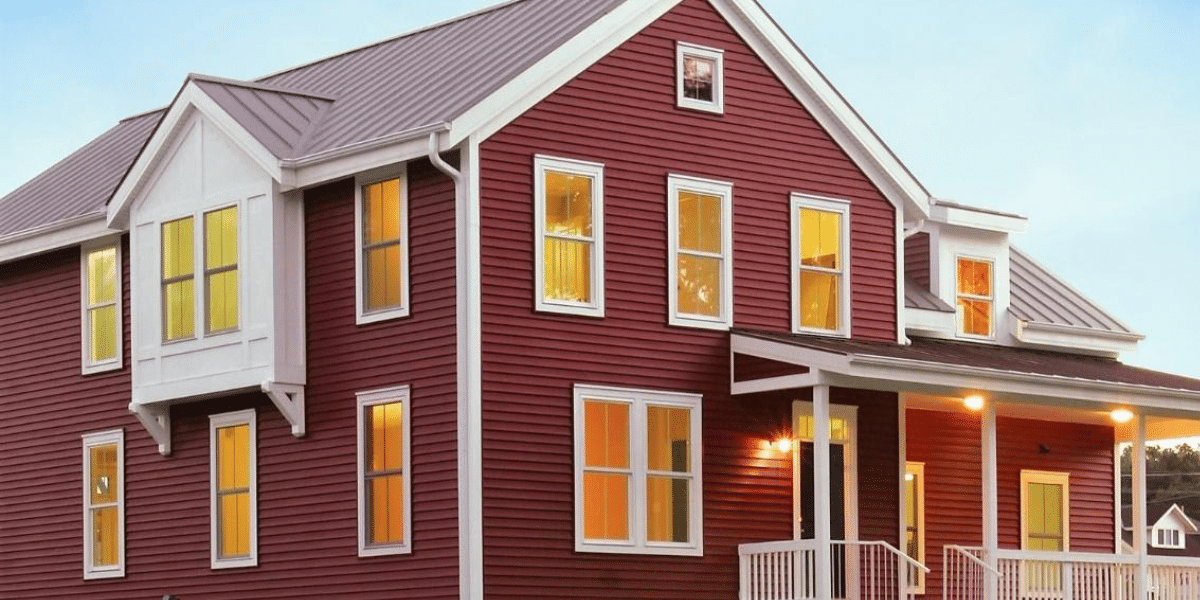
Perhaps the finest example of Pagés Ruiz’s leading-edge approach is the PATH Concept Home in Omaha, Nebraska. Developed in cooperation with the U.S. Department of Housing and Urban Development’s Partnership for Advancing Technology in Housing(PATH) initiative, the home was designed to serve as an example of how advanced building technologies can be used to create affordable, energy-efficient housing. PATH Concept Home integrated a range of green technologies, including energy efficiency-enhancing windows, high-performance insulation, and advanced heating and cooling systems. The home met the criteria for several green building certifications, including LEED for Homes and ENERGY STAR, and it was one of the early models in sustainable, low-cost housing.
Until the PATH Concept Home was more than a demonstrator, it showed that affordable housing could be environmentally sustainable. Pagés Ruiz’s inclusion of advanced technology into cost-effective building practices made this an extraordinary project for the industry. Using high-performance materials to improve energy efficiency also offered long-term cost savings for the homeowners, furthering the home’s affordability through reduced utility expenses. Indeed, this project paved the way for other developers to take leaps, proving that sustainability and affordability can go hand in hand where modern housing is concerned.
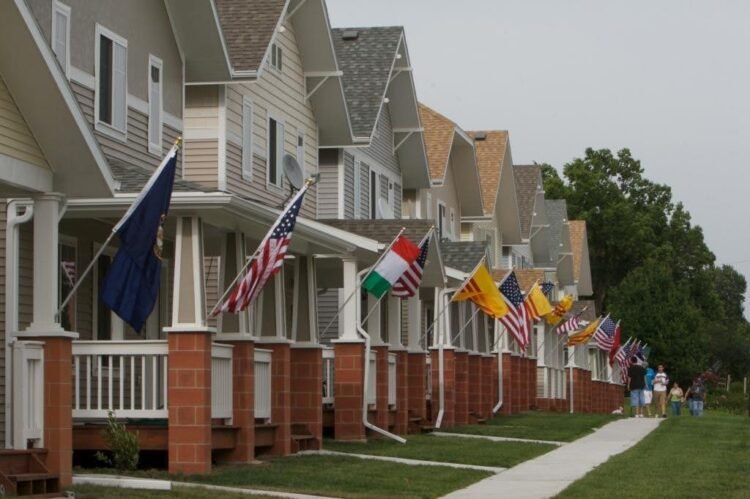
The other major project headed by Pagés Ruiz was Liberty Village, one of the developments in Lincoln, Nebraska. This planned multicultural neighborhood offered a variety of housing for people from all walks of life. Liberty Village focused on affordability and community: advanced construction methods kept building costs down while the design and energy efficiency of the homes remained very high. The recognition of Liberty Village with the National Association of Homebuilders’ Innovation in Workforce Housing Award underlined the importance of innovation in solving housing challenges.
In addition to having practical involvement in the process of housing development, Pagés Ruiz engaged in a number of consultative roles with regard to the construction industry. His expertise in value engineering and sustainable building makes him a much-called-upon consultant for organizations such as the Vinyl Siding Institute and the Polymeric Exterior Products Association. These roles have allowed him to share cost-saving strategies and sustainable practices with other professionals, influencing change in industry standards. Pagés Ruiz has also written much about his work, contributing to such publications as Fine Homebuilding, Green Building Advisor, and Pro Trade Craft. With these publications, he has become quite an outspoken advocate for affordable, sustainable building practices, giving insight into how he accomplishes cost-effective, high-quality construction.
His contributions towards affordable and green housing have not gone unnoticed. Pagés Ruiz has received numerous awards for his groundbreaking work in the construction industry, including the “Green Building Single Family House of the Year” for promoting environmentally friendly housing practices. Any recognition he gets underscores his impact in pushing the envelope of what is possible within affordable housing, especially towards the infusion of sustainable features that are friendlier to both the homeowner and the environment.
Pagés Ruiz has pushed the envelope in the housing sector regarding what is achievable when affordability and sustainability are prioritized. His work in developing new building techniques, leading projects such as the PATH Concept Home and Liberty Village, and contributing to industry standards through his consultative roles have made him a leading figure in the movement toward more affordable, environmentally responsible housing. Although the challenges with providing affordable housing continue to evolve, Pagés Ruiz provides a prototype for future projects.
To conclude, the building industry still grapples with escalating costs while treading the path toward sustainable solutions; Pagés Ruiz’s approach is an example to builders, policymakers, and developers alike. His balance between cost and quality, with sustainability, shows that long-term environmental health or the quality of life for its residents does not necessarily have to come at the cost of affordable housing.
Published by: Nelly Chavez