Living intentionally sounds simple, until the calendar fills up, the notifications pile in, and the day disappears before lunch. In a country that celebrates hustle culture and multitasking as badges of honor, slowing down can feel like swimming against the current. But more people across the U.S. are starting to question the pace, the pressure, and the point of it all. They’re not opting out, they’re opting in. To clarity. To purpose. To a way of living that feels less like reacting and more like choosing.
To live intentionally in the U.S. right now means making conscious decisions in a culture that often rewards autopilot. It’s not about perfection or rigid routines. It’s about asking better questions: What matters today? What’s worth the energy? What’s just noise?
Why Living Intentionally Feels So Hard, and So Necessary
The U.S. is built on movement. Cities run 24/7. Work emails don’t wait for office hours. Social media scrolls endlessly. There’s always something to do, somewhere to be, someone to impress. That constant motion can be exciting, but it can also be exhausting.
Many people don’t realize how much of their day is spent reacting. To emails, to trends, to expectations they didn’t set. It’s easy to lose track of what actually matters when everything feels urgent. That’s where intentional living comes in. It’s not about doing less, it’s about doing what matters more.
This shift is showing up in wellness culture, too. More Americans are exploring slower, more mindful routines, from cold plunges and breathwork to journaling and digital detoxes. As seen in coverage of emerging wellness trends, the focus is moving away from optimization and toward sustainability. People want habits that support their lives, not just their productivity.
What It Means to Live Intentionally, Without the Pressure
Living intentionally doesn’t mean waking up at 5 a.m., meditating for an hour, and planning every minute of the day. It means being aware of how time, energy, and attention are spent, and making choices that reflect personal values, not just external demands.
That might look like saying no to a meeting that could’ve been an email. Or choosing to walk instead of scroll during a lunch break. It might mean setting boundaries around work hours, even in a remote job. Or carving out time for a hobby that has nothing to do with side hustles or monetization.
Intentional living also means letting go of the idea that every moment has to be productive. Rest counts. So does joy. So does doing something just because it feels good. In a culture that often ties worth to output, that mindset shift can be radical, and freeing.
How U.S. Culture Shapes the Way People Live (and Why That’s Changing)
American culture has long celebrated independence, ambition, and achievement. Those values aren’t going anywhere, but they’re being reinterpreted. Younger generations, especially, are pushing back on the idea that success has to come at the cost of well-being.
That’s showing up in how people work, spend, and socialize. Some are leaving big cities for smaller towns. Others are choosing freelance work over corporate ladders. Many are rethinking what success even looks like, and realizing it might have more to do with peace than prestige.
This cultural shift is also influencing how people approach personal growth. Instead of chasing constant improvement, more are focusing on alignment. That includes turning hobbies into careers, or at least into something more meaningful than a weekend distraction. As explored in this piece on blending hobbies with personal development, the line between passion and purpose is becoming more fluid, and more intentional.
Small Shifts That Make a Big Difference
Living intentionally doesn’t require a total life overhaul. It often starts with small, consistent choices. That might mean setting a phone to “Do Not Disturb” after 8 p.m., or choosing to cook dinner instead of ordering out. It could be as simple as taking five minutes in the morning to ask, “What do I want from today?”
Some people find it helpful to create a “yes list”, a short set of priorities that guide decisions. If something doesn’t align with those priorities, it’s easier to say no. Others use journaling or voice notes to check in with themselves. The method matters less than the mindset.
Even the way people consume content is shifting. There’s growing interest in creators who share slower, more grounded routines, not just highlight reels. That’s part of a broader move toward authenticity, where people are more interested in how something feels than how it looks.
Why Living Intentionally Isn’t About Control, It’s About Clarity
One of the biggest misconceptions about intentional living is that it’s rigid. That it means planning every detail, avoiding spontaneity, or striving for some ideal version of balance. But the opposite is often true.
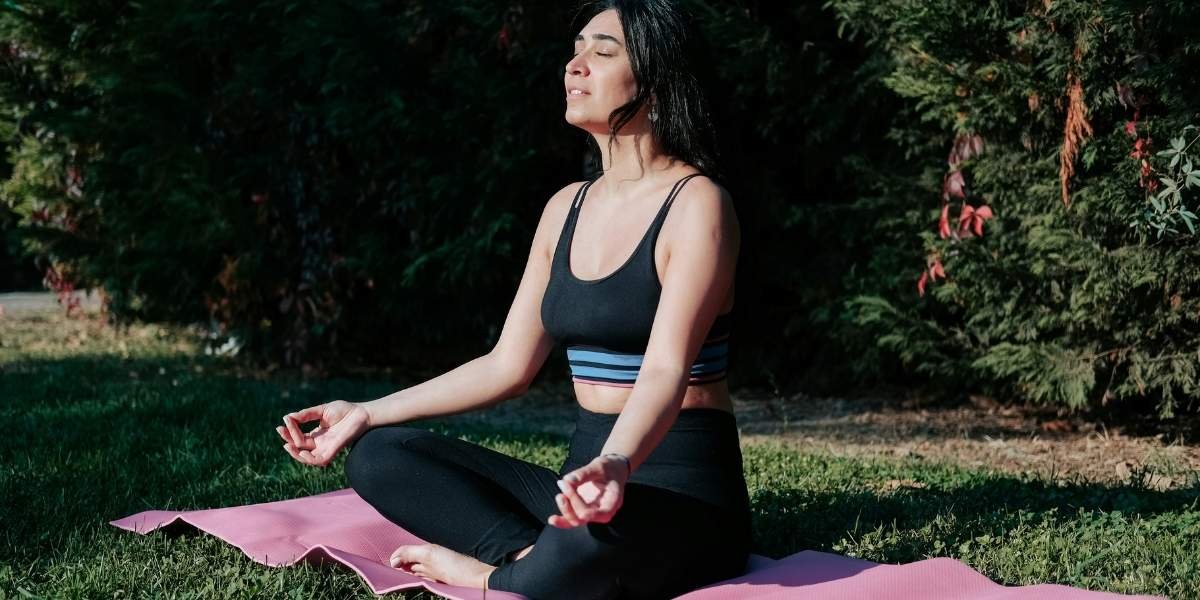
Living intentionally means being flexible, but with purpose. It means knowing what matters, so when things shift (and they will), there’s a foundation to return to. It’s not about controlling every outcome. It’s about choosing how to respond.
That clarity can be especially helpful during uncertain times. Whether it’s a job change, a move, or just a tough week, having a sense of what matters most can make decisions feel less overwhelming. It’s not always easy, but it’s grounding.
Living Intentionally in a Connected World
Technology isn’t going away. Phones, apps, and platforms are part of how people live, work, and connect. But intentional living doesn’t mean ditching tech, it means using it with awareness.
That might mean turning off notifications during meals, or choosing creators who inspire rather than drain. It could mean setting limits on screen time, or curating a feed that reflects personal values. These choices help people stay connected, without feeling consumed.
Some are even using tech to support intentional living. Apps for meditation, habit tracking, or journaling can help build routines. Online communities offer support and accountability. The key is using tools that serve the person, not the other way around.
Why This Shift Matters, and What Comes Next
Living intentionally isn’t a trend, it’s a response. To burnout, to overwhelm, to a culture that often asks too much and gives too little. It’s a way of reclaiming time, energy, and attention. And while it looks different for everyone, the goal is the same: to live with more clarity, more purpose, and more peace.
This shift is already influencing how people work, shop, and connect. It’s shaping wellness trends, career choices, and even how brands communicate. As more people choose to live intentionally, the ripple effects will continue, not just in personal lives, but across industries.
And in a society that rarely slows down, that choice to pause, reflect, and choose is powerful.