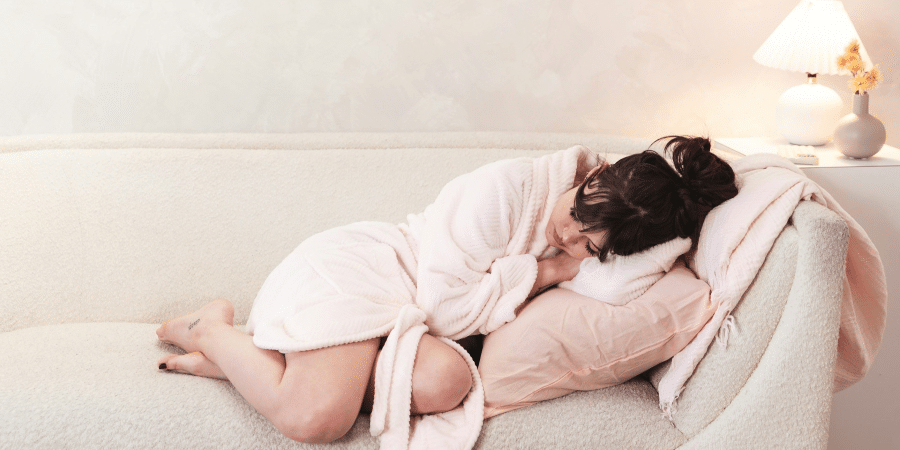
Spas have become a top choice for relaxation because they provide a complete escape from the stress of modern life. People now visit spas not just for quick beauty treatments but to support their mental health and prevent burnout. By combining ancient traditions like hot water baths with modern science like massage therapy, these centers offer a way to lower stress hormones and improve sleep. This shift from seeing a spa as a rare luxury to a necessary part of a healthy lifestyle has made them a central part of how millions of people manage their daily well-being.
The Journey from Public Baths to Modern Resorts
The history of the spa dates back thousands of years. Ancient Greeks and Romans were famous for their massive public bathhouses, which they called thermae. These were not just places to get clean; they were social hubs where people met to talk about politics or business while soaking in warm water. The Romans used a Latin phrase, sanitas per aquam, which means “health through water.” This idea is actually where the word “spa” is believed to have started.
Later, in the Middle Ages, people began traveling to natural mineral springs. A town in Belgium named Spa became so famous for its healing waters that its name eventually became the general term for all similar places. By the 19th century, luxury spa towns across Europe were the place to be for the wealthy. Today, this tradition has changed into a global industry that is accessible to almost everyone, from small day spas in big cities to large resorts in the countryside.
The main reason for the current popularity of spas is the rising level of stress in urban environments. As more people move to cities and spend long hours looking at screens, the need to disconnect has become very strong.
Recent financial reports show how much the industry is growing. The global spa market is expected to reach $89.19 billion in 2026. This is a big jump from $80.06 billion in 2025, which shows a growth rate of about 11.4%. Experts believe this growth is happening because people are spending more of their disposable income on self-care.
| Feature | 2025 Statistics | 2026 Projections |
| Global Market Size | $80.06 Billion | $89.19 Billion |
| Annual Growth Rate | 10.5% | 11.4% |
| Most Popular Service | Massage Therapy | Personalized Wellness Plans |
| Fastest Growing Region | Asia-Pacific | Asia-Pacific |
The Focus on Mental Health
In the past, people might have gone to a spa just to get a facial or a manicure. Now, the focus has shifted toward emotional well-being. Many modern spas offer programs for “neurowellness,” which is a way of helping the nervous system calm down after a busy week.
Expert Bonnie Friend, a writer for a major wellness platform, notes that in 2026, spas are no longer just a luxury. She explains that they are now part of “preventative healthcare, mental health support, and personalized lifestyle design.” This means that instead of waiting until they are sick or exhausted, people go to a spa to stay healthy and balanced.
This change is supported by scientific data, too. Elissa Corrigan, the founder of a science-led wellness brand, calls this a “credibility reset.” She says that “consumers are no longer impressed by big claims without proof. In 2026, delivery science will be what separates serious brands from the rest.” This is why many spas now use data from wearable devices to track how a massage or a session in a sauna actually improves a person’s heart rate or sleep quality.
A Social Experience for the New Generation
Another interesting trend is that younger people are using spas as a way to hang out with friends. Instead of going to a loud bar or a party, groups are booking “social saunas” or thermal circuits. Warrick Burton, a director at a high-end spa, has noticed a big change in his guests. He says that “younger generations are choosing meaningful, health-enhancing experiences over a sore head in the morning.”
These social spa visits often include hydrotherapy, which uses water at different temperatures to help the body recover. By moving between a hot sauna and a cold pool, guests can improve their circulation and feel a natural energy boost.
The Future of the Spa Experience
As technology keeps improving, the spa of the future will likely be even more personal. Some centers are already using virtual reality (VR) to help people meditate during their treatments. Others are using biophilic design, which means they bring lots of plants and natural light inside to make the space feel like a forest.
The goal for most people remains the same as it was for the Romans: to find a quiet place to rest. Whether it is a 30-minute massage during a lunch break or a week-long retreat in the mountains, spas provide a vital space for the mind and body to reset. With the market expected to keep growing toward $135 billion by 2030, it is clear that the world is prioritizing relaxation more than ever before.