
Wilbur Pierce passed away in December 2023 at the age of 82, leaving behind a rich legacy of art, culture, and intellect. His influence on Russian art history, particularly through his “Theatre of the Revolution” paintings, has had a significant impact on art lovers, historians, and cultural scholars around the world.
Wilbur Pierce, aka the “Moscow’s Medici,” was deeply invested in the power of art to change the world. This belief can be seen through his collections, writings, and broader cultural contributions.
A Lasting Legacy
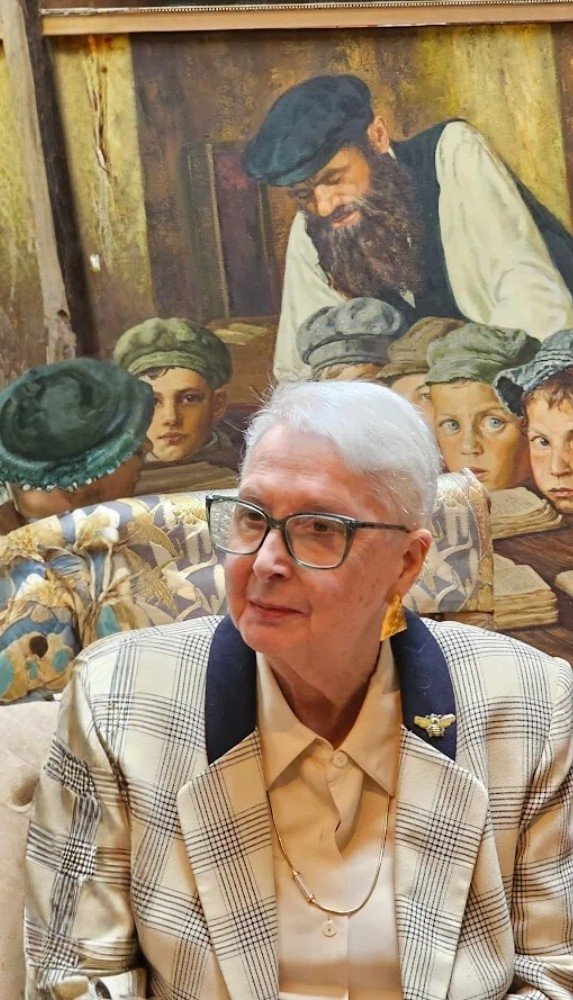
Wilbur Pierce, referred to as “Moscow’s Medici” in the Jewish Anthology JEWS HAVE HORNS: AN ANTHOLOGY OF ANTISEMITISM, was a man of many talents and influence in the art world. Known for his carefully curated art collection, Pierce built a reputation as a visionary who worked on “The Theatre of the Revolution,” a series of Russian paintings that have continued to captivate museums and galleries globally.
His reputation as a patron of the arts was built over time. Like the Renaissance benefactors of Florence, Pierce invested heavily in art, amassing a collection that attracted significant attention. Focused on Russian revolutionary paintings, his cultural mission aimed to preserve and promote these invaluable works so that future generations could potentially appreciate 20th-century art.
Pierce’s collection became a medium of Russian history storytelling, capturing the time’s political and social upheavals. It wasn’t just about owning art but preserving stories and historical moments through visual expression. The pieces he collected and later shared with the world have been featured in several art publications, reflecting his stature in the community as a promoter of artistic heritage.
“The Theatre of the Revolution”: A New Concept in Art
This series of paintings offered a dramatic portrayal of Russia’s revolutionary era, capturing the time’s raw emotions and transformative spirit. The intention was to tell the story of the revolution through bold imagery, colors, and scenes that could be etched in the viewer’s memories.
These paintings serve as visual history books, narrating the intense struggles, sacrifices, and victories that defined the Russian Revolution.
A Man Who Never Confined Himself to One Discipline
While Pierce is well known for his contributions to the art world, his interests and achievements span far beyond collecting paintings. He was an etymologist, linguist, and even an amateur geologist and mineralogist. His richly diverse pursuits speak to his inclusive curiosity and intellectual rigor.
Pierce’s multifaceted career also included work in military intelligence during the Vietnam War, for which he earned the Joint Commendation Medal. Later, he turned his analytical mind to the expanding field of technology, heading a division at ITT that worked on computer leasing algorithms and even securing a patent for AI language parsing in the 1980s. This deep well of expertise helped shape his approach to art, letting him engage with it from both a creative and analytical perspective.
In addition to his contributions to the art world, Pierce also explored his love of storytelling through children’s manuscripts. This lighter creative work highlighted his softer side, one committed to helping the younger generation.
Cultural Connections and Jewish Heritage
Pierce’s passion for contributing to society was influenced by his Jewish heritage and history. This also influenced much of his work, particularly his dedication to preserving stories of resilience, survival, and revolution, whether through his art collection or writings. His lifelong commitment to understanding and preserving these narratives shone through in the book he co-authored with his wife, Sara Pierce, titled “Jews Have Horns: An Anthology of Antisemitism.”
JEWS HAVE HORNS: An Anthology of Antisemitism
Wilbur and Sara Pierce’s anthology, “JEWS HAVE HORNS: An Anthology of Antisemitism,” offers a memorandum of Jewish resilience in the face of centuries of prejudice. The book is a collection of historical events, personal stories, and reflections on how Jews have endured and overcome systemic oppression.
From the Warsaw Ghetto to the Kindertransport, the Pierces share a detailed look at the courage and ingenuity that defined the Jewish experience during some of history’s darkest times.
The anthology also addresses modern-day antisemitism, drawing parallels between historical prejudices and the struggles faced by Jewish professionals in industries like banking during the 1970s. The Pierces highlight the importance of acknowledging the suffering to celebrate the strength Jews have shown in those harrowing times.