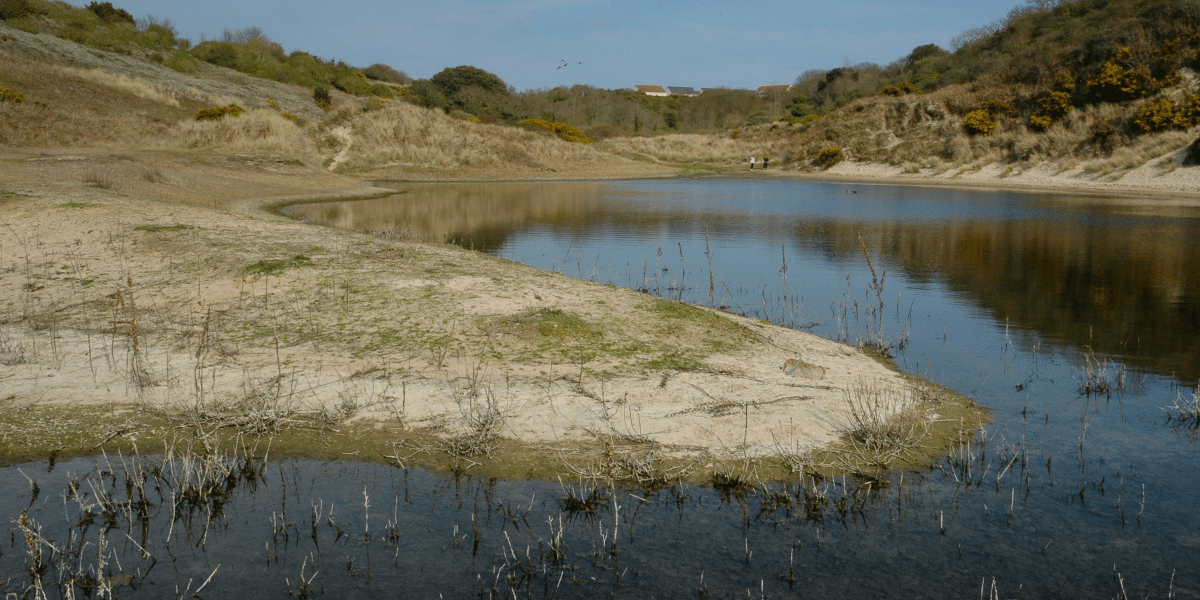
Environmental remediation is crucial to improving rainwater quality since ecological pollution disrupts the hydrologic cycle. As contaminants in the soil, air, and water, they often make their way into precipitation and harm ecosystems, agriculture, and human health. Remediation efforts focus on minimizing their presence and restricting their spread to rainwater.
Healthier Ecosystems Aid Rainwater Purity
Environmental remediation is the process of cleaning up polluted soil and water to revert or reverse damage to the system. Healthy ecosystems filter runoff water with healthy vegetation and wildlife. By using vegetation, the soil is stabilized, and pollutants cannot run off or erode into water sources. Cleaner rainwater starts with cleaner ecosystems.
Cleaner Precipitation through Soil Remediation
Harmful particles are often released into the atmosphere from contaminated soil. Any pollution removed by remediation techniques, such as heavy metals, pesticides, or hydrocarbons, makes fewer toxins available to evaporate and be carried by wind into the air. Fewer impurities from the cleaner soil mean less pollution going into rainwater, making healthier precipitation for ecosystems and agricultural use.
Innovative Solutions Supporting Remediation
With advancing technology, remediation efforts are increasingly geared toward cleaner rainwater. Organizations provide tools to identify and manage microbes that effectively target specific pollutants. These innovative molecular biological techniques enable the detection of contamination hot spots and support activities aimed at their reduction. These innovations aim to enhance the precision of remediation, contributing to the reduction of pollution in rainwater and promoting healthier ecosystems dependent on clean precipitation.
Prevention of Acid Rain
Acid rain is caused by industrial pollutants such as sulfur dioxide and nitrogen oxides that destroy water bodies, vegetation, and buildings. These emissions are reduced during remediation efforts at their source and do not reach the atmosphere. As a result, rainwater gets a more neutral pH, allowing it to support biodiversity and protect freshwater systems.
Reduced Contaminants in the Hydrological Cycle
People are less likely to replace these contaminants from groundwater or surface water in the rain cycle. Process methods, such as activated carbon filtration or bioremediation, prevent the continuation of the chain of contamination. By keeping rainwater free from toxins, it also ensures drinking and irrigation water are safe.
Mitigating Long-Term Risks
Pollutants continue to impact rainwater quality for decades unless they are remediated. Preventing such contaminants from accumulating in the environment and damaging them in the long term, should be addressed to protect future generations. Reducing volatile organic compounds (VOCs) in groundwater prevents them from being returned to the atmosphere, and helps protect the future of rainwater quality.
Enhanced Stormwater Management
Stormwater quality is improved through environmental remediation by reducing pollutant levels in runoff. At times, contaminants from industrial sites, agricultural land, and urban areas flow into rainwater systems during storms. Remediation efforts like soil decontamination and filtration systems prevent harmful substances from entering stormwater. This is before rainwater eventually flows to a body of cleaner water like rivers or oceans in a healthier ecosystem downstream.
Rainwater is affected by environmental remediation in that the removal of pollutants dilutes its purity. These efforts break the contamination cycle through soil, water, and air cleanup and help create healthier ecosystems. Remediation is essential because cleaner rainwater serves agriculture, biodiversity, and human health.
Published by Jeremy S.