CPAP has been the default sleep apnea treatment for decades, and the physics behind it work fine. Pressurized air holds the airway open. Simple enough. The trouble starts once the machine goes home, because wearing a mask every night turns out to be a much harder habit than it sounds. A custom sleep apnea mouth guard has emerged as the quieter alternative, thanks largely to better scanning tools and printing materials.
Why CPAP Struggles to Stick
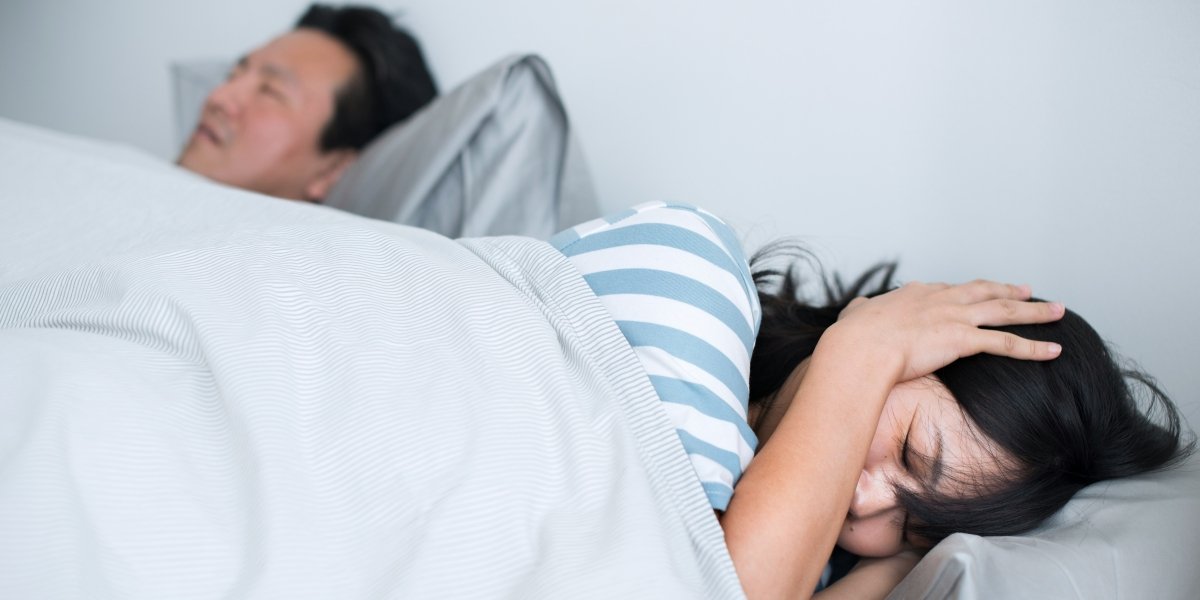
Nothing about the airflow itself is the problem. People stop wearing CPAP for far more human reasons: a strap that irritates the skin, a motor that hums all night, a mask that feels suffocating at 2 a.m. Within three months, a large share of patients have already given up. The moment that happens, apnea events come right back, oxygen dips, and the whole cycle restarts that same night. A mouth guard skips most of this. No cord, no mask, nothing clamped across the face. It just sits in the mouth and does its job.
Scanning Replaces the Dreaded Putty Tray
Anyone who has sat through a dental impression knows the drill. Thick putty, a metal tray, and several minutes of trying not to gag. Worse, the mold sometimes warped or trapped air bubbles before it even reached the lab. Optical scanning has mostly retired that process. A handheld wand maps the teeth and gums in seconds, no putty involved, while also capturing the exact forward jaw position needed to open the airway. Gaps in the scan show up on screen right away, so nothing gets sent to the lab half-finished.
A Thinner, Sturdier Device
Hand-carved acrylic appliances used to run thick, often three millimeters or more, and they cracked under normal clenching over time. That’s changed. Devices now print in a single piece from medical-grade nylon, and the finished guard often comes in around one millimeter thick, close to the width of two stacked credit cards. Fewer parts means fewer things that can loosen or snap, and it simply feels less bulky night after night.
One Adjustment Point Instead of Two
Older designs used two separate screws, one on each side of the jaw. Turn them unevenly, even slightly, and the jaw ends up under lopsided pressure, which tends to show up later as soreness or a shifted bite. Many current appliances solve this with a single adjustment point down the center line. One turn moves both sides equally. Morning stiffness tends to fade faster with this setup, since the jaw is never pulled unevenly in the first place.
Not Every “Custom” Guard Is Truly Custom
The word custom gets stretched pretty thin in this market. Plenty of devices start from a generic mold and get finished with stock hinges or hand-relined acrylic. Those semi-custom versions still beat a drugstore boil-and-bite, no argument there, but they wear unevenly and fail sooner than devices built entirely from a digital scan. A fully custom guard prints as one piece, with titration hardware built directly into the design rather than bolted on afterward. Asking how a provider actually builds the device says more than the label on the box.
Who Tends to Qualify
Mild to moderate obstructive sleep apnea is the sweet spot for this treatment. Severe cases that can’t tolerate CPAP often do well too, and so do frequent travelers who’d rather not pack a machine. Providers generally look for eight to ten healthy teeth per arch, enough to anchor the appliance securely. A sleep study still needs to confirm severity first. Wellness-focused practices such as Wellness and Pain are starting to fold this kind of screening into routine visits, since fatigue and poor sleep rarely show up in isolation.
The Cost of Waiting
Untreated sleep apnea is not just about feeling tired the next day. It raises the odds of high blood pressure, heart strain, type 2 diabetes, and drowsy-driving accidents, sometimes years down the road. Sticking with treatment tends to stabilize blood pressure and lower those risks in a measurable way. There’s a practical upside too: if a guard gets lost or damaged, most labs can reprint it from the archived file instead of starting over. Practices like Wellness and Pain, which already track pain and circulation patterns, are well positioned to catch these issues before they pile up.

Frequently Asked Questions
Who is a good candidate for a custom sleep apnea mouth guard?
Mild to moderate obstructive sleep apnea usually responds well. So does severe apnea paired with CPAP intolerance. The main requirement is enough healthy teeth to hold the appliance in place.
How is this different from a boil-and-bite guard?
Boil-and-bite guards come in one generic shape and can’t really be fine-tuned. Worn long enough, they can shift teeth or change a bite. Custom guards start from an exact scan and include calibrated titration hardware from day one.
Will it cause jaw pain or change the bite?
Some mild soreness is common in the first couple of weeks. Appliances with a single, evenly balanced adjustment point tend to settle faster than the older two-screw style.
Does insurance cover a custom mouth guard?
Often, yes. Many medical plans, Medicare included, cover the device once a physician prescribes it based on a documented sleep study. Coverage still varies by plan, so it’s worth confirming beforehand.
How long does the device last, and how should it be cleaned?
Expect three to five years with regular care. A soft toothbrush and mild soap keep it clean; harsh mouthwash or abrasive toothpaste wear down the material faster than normal use does.