By: Viraj Shah
As the summer weather heats up, many homeowners rely on their home’s air conditioning unit to stay safe and comfortable. However, when heat waves rip through your area, your HVAC system may struggle to keep up with your cooling demands. Fortunately, there are many things you can do to help ensure that your AC keeps running throughout the extreme heat swings of the season.
Block Out Direct Sunlight
One of the things that you can do to help limit the amount of time that your air conditioning system has to run is to block out the direct sunlight. It’s been shown that direct sunlight seeping into windows and doors can heat up a room’s temperature by up to 10 degrees Fahrenheit. If you don’t block out that sunlight, your air conditioning system is going to need to combat that rising temperature all day long.
Supplement With Ceiling Fans
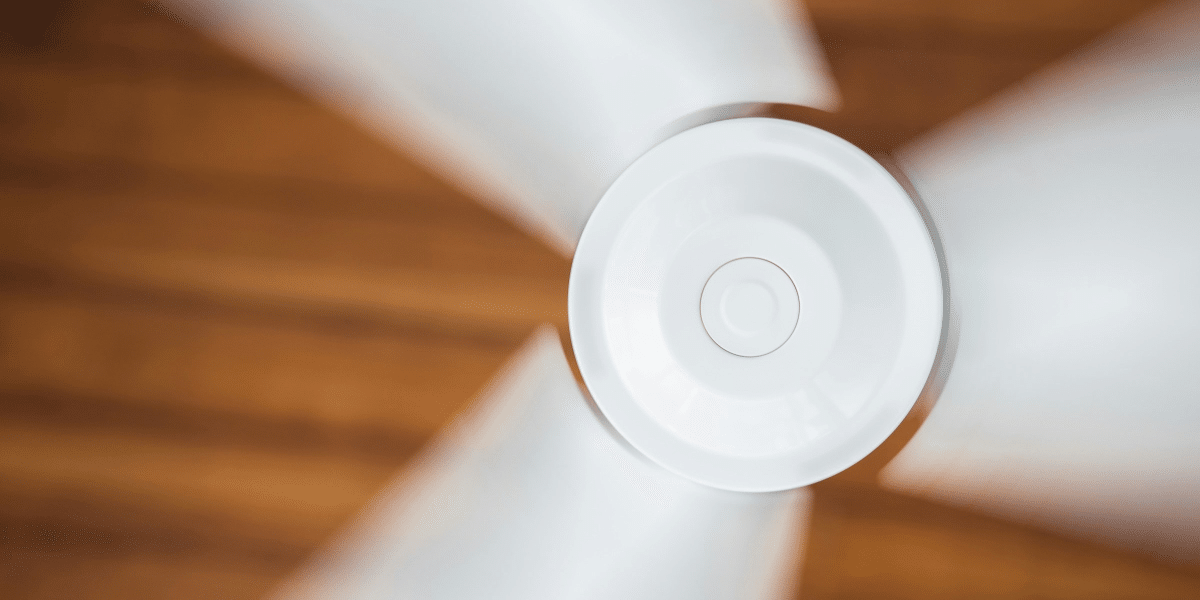
Ceiling fans are a great tool to help supplement your air conditioning system on those extremely hot summer days. You want to have your ceiling fans running in a counterclockwise direction so that they force air down onto you. This forced air creates a windchill effect that can make your body feel up to 10 degrees colder than it actually is in the room. When you feel cooler, you’re more likely to turn down the temperature on your thermostat so that your air conditioning system will run less often.
Seal Up Air Leaks
Apart from direct sunlight, one of the biggest competitors for your air conditioning system is heat from the outdoors that seeps in through air leaks. These leaks will commonly develop around your doors and windows. It’s a good idea to run your hand around all your windows and doors to see if you notice a difference in temperature. If you do, you’ll want to seal up that air leak with weather stripping or caulking. The more sealed off your home is from the outdoors, the less your air conditioning system will have to run to combat that rise in temperature.
Keep Up With Filter Changes
Your air conditioning system has a built-in filter that is meant to remove airborne particles to enhance the overall quality of your indoor air. As this filter does its job, these airborne particles will get stuck in the filter. When the filter reaches the end of its life span, all that trapped debris makes it much harder for your air conditioner to pull air through it. This can cause your air conditioning system to overwork, trying to keep up with your cooling demands. To prevent this problem, you should check the state of your air filter before every major heatwave to see if it needs to be replaced.
No one likes dealing with summertime extremes when their air conditioning system unexpectedly breaks down. By implementing the tips we went over above, you can greatly reduce your risk of experiencing a breakdown and help to increase the effectiveness of your air conditioning system.
Published By: Aize Perez