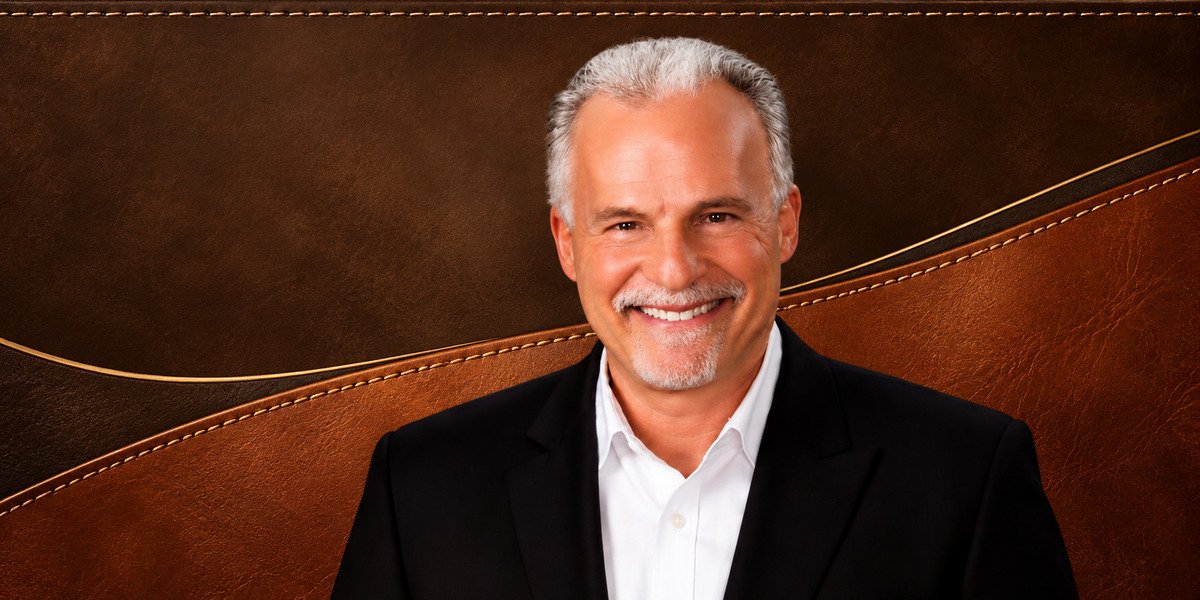
Fremlin Dekyi, MD, CIME, is a board trained family medicine physician and the Chief Executive Operator of New York Cares Group LLC. He started the company around an observation he kept running into in clinical practice. Patients were not skipping care because they did not want it. They were skipping it because reaching it was difficult. Telemedicine became his answer to that gap.
Why a Practicing Physician Started a Healthcare Company
Dr. Dekyi trained and worked across primary care, urgent care, hospital medicine, and preventive and occupational health. The same pattern repeated. Patients postponed appointments over transportation, work schedules, long waits, and provider shortages. Conditions that could have been caught early went unmanaged instead.
He founded New York Cares Group to shorten the distance between a patient and a physician. The practice brings primary care, telemedicine, chronic care management, preventive medicine, travel medicine, men’s health, women’s health and weight management into one connected model. It also works alongside home health agencies, rehabilitation providers, and clinical specialists, so care continues after the visit ends.
What Telemedicine Looks Like in Daily Practice
Early on, telemedicine faced skepticism. Patients wondered whether a video visit counted as real care. Some clinicians wondered the same thing. Dekyi treated that doubt as a clinical problem rather than a marketing one.
His team built standardized care protocols, invested in secure technology, and held virtual visits to the same documentation and follow-up standards as in-person appointments. Trust followed the work. Today telemedicine functions as a front door for the practice rather than a substitute for it, with in-person care, labs, and specialist referrals coordinated behind it.
One case shaped how he thinks about access. A patient had put off medical care for a long stretch because of transportation problems and an inability to take time off work. A telemedicine visit that began as a routine consultation surfaced several chronic conditions that had gone unaddressed. The practice coordinated follow-up appointments, connected the patient with specialists, and set up a long term care plan.
“Healthcare should not depend on where someone lives, how far they can travel, or whether they can take a day off work,” Dr. Dekyi says.
Where Artificial Intelligence Fits
Dr. Dekyi is direct about artificial intelligence in healthcare. He sees it as administrative relief first and clinical support second, never as a replacement for a physician.
Documentation, charting, prior authorizations, and scheduling consume hours that clinicians would rather spend with patients. AI in medicine can absorb a meaningful share of that work. It can also strengthen clinical decision support by surfacing relevant history at the point of care. What it should not do, in his view, is sit between the physician and the person in front of them.
That position shapes how New York Cares Group adopts new tools. Each one gets measured against a single question. Will this improve patient care? If the answer is no, the technology does not get deployed, regardless of how capable it is.
Building a Practice That Can Adapt
Running a healthcare organization through shifting regulations, reimbursement models, and workforce shortages demands constant adjustment. Dr. Dekyi credits the team for making that possible. Physicians, nurses, administrators, and technology staff have allowed the practice to add services without diluting its standards.
Leadership, as he describes it, is less about direction and more about conditions. Give capable people clear accountability and a culture built on integrity, and the clinical quality tends to hold as the organization grows.
The entrepreneurial side required a different muscle than medicine. Resilience, adaptability, and a willingness to question traditional delivery models all mattered. So did knowing which traditions to keep.
What Comes Next for New York Cares Group
Diversification!
Dr. Dekyi wants the practice to serve as a working example of technology-enabled, patient-centered care. That means continuing to integrate telemedicine, remote patient monitoring, chronic care management, and in-person primary care into a system that behaves like one thing rather than six.
He also plans to spend more time mentoring physicians who want to build rather than just practice, and to contribute to policy conversations around digital health and access.
His framing of success stays consistent. Business growth matters, but it is not the measure. The measure is whether patients get care they would otherwise have gone without.
“Innovation and compassion are not competing ideals,” he says. “They are strongest when they work together.”