By: Lila Thompson
For countless women over 40, the journey to health and well-being can feel like an endless maze of diets, exercise routines, and conflicting advice. Hormonal changes, shifting metabolism, stress, and emotional challenges all collide, often leaving women feeling exhausted, frustrated, and questioning their self-worth. Debbie Harris, Integrative Nutrition Health Coach, knows these struggles intimately and has made it her mission to provide a solution that works for many women.
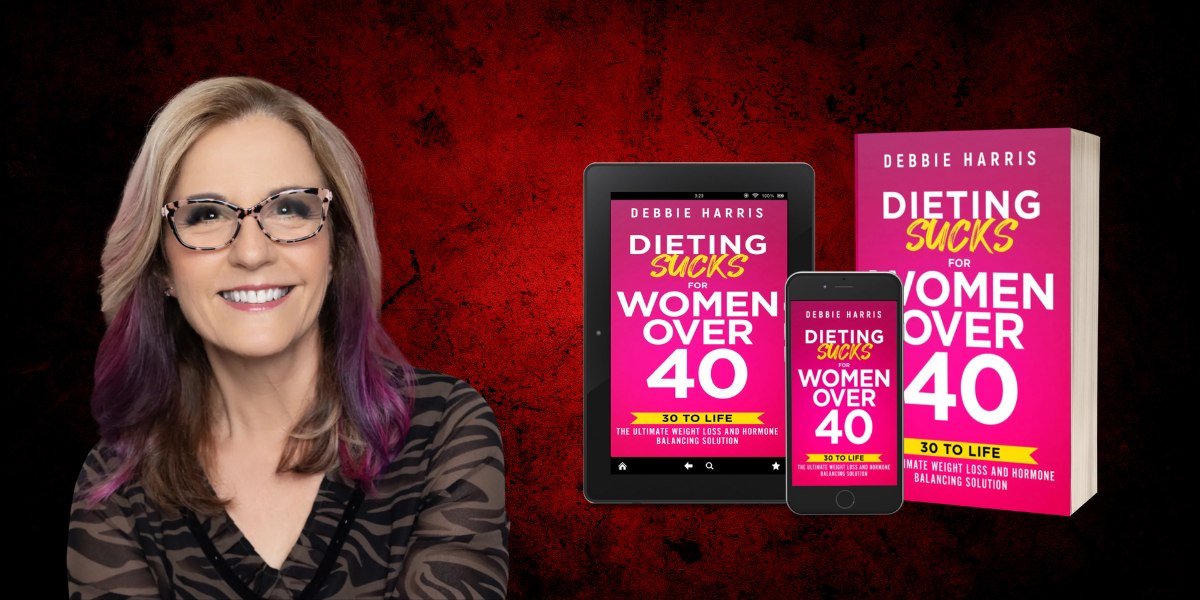
Harris’ new book, Dieting Sucks for Women Over 40: 30 to Life – The Ultimate Weight Loss and Hormone Balancing Solution, is a culmination of decades of personal experience, professional expertise, and a commitment to empowering women to reclaim their health. But the inspiration for the book was deeply personal.
“I’ve always loved writing and dreamed of seeing my name on a book,” Harris says. “But it wasn’t until I reached my early 60s, after decades of dieting, feeling uncomfortable in my body, that I felt compelled to put it all together. I wanted to create a roadmap for women to release excess weight, minimize menopause symptoms, and reclaim confidence.”
Understanding the Midlife Challenge
Harris emphasizes that traditional dieting advice is often not fully suited for women over 40. “Most diets ignore the hormonal shifts of perimenopause and menopause. Cortisol levels fluctuate, insulin sensitivity changes, estrogen levels drop, and muscle loss can occur faster,” she explains. “All of this can contribute to difficult-to-manage weight gain, especially around the belly. Emotionally, it’s a minefield: identity shifts, libido changes, caregiving demands, work stresses, and feelings of invisibility. Food can become both a coping tool and a battleground.”
Harris also points out a hidden culprit: misapplied exercise. “Many women unknowingly raise their cortisol through unproductive workouts. I know because I’ve been there. I’d feel out of balance, snapping over minor frustrations, because my body was in a constant state of stress.”
Breaking the Cycle of Emotional Eating
Emotional eating is a central focus in Harris’ approach. Her advice is simple, practical, and rooted in mindfulness: pause before the bite. Ask yourself, “What am I really hungry for?” Often, the urge is not for food but for comfort, connection, or distraction. “Wait 30 minutes. In many cases, the craving passes,” she says. “If it doesn’t, go ahead and have the food, but now it’s a conscious choice, not a compulsion,” Harris recommends practical strategies to disrupt mindless eating: drinking water, journaling, walking, or calling a friend. Her philosophy is clear: “Food is not good or bad. You are in control. There should be no guilt or shame, it’s just a choice.”
Mindset as a Tool for Lasting Change
Harris’ expertise extends into mindset work, a crucial aspect of her approach. She distinguishes it from willpower, which she calls “white-knuckling your way through temptation.” True mindset work rewrites the story women tell themselves about food, bodies, and health. “When healthy choices align with who you are, not just what you’re trying to force, they can feel like freedom,” she says. Her 80/20 “Freedom Eater” lifestyle encourages flexibility, self-compassion, and enjoyment of the foods women love while supporting sustainable weight management.
The 30-Day Program: A Realistic, Supportive Approach
The book’s 30-day program is designed with accessibility and real life in mind. Week One focuses on calming hormonal chaos by removing major disruptors like sugar, starches, and alcohol, while emphasizing lean proteins, vegetables, and select fruits. Daily routines incorporate three balanced meals, hydration, and toxin flushing, supported by downloadable journals, guided meditations, and brief instructional videos.
“I wanted readers to have tools they could use immediately,” Harris says. “It’s like having me in your back pocket saying, ‘You are a Warrior, Your Journey Is Real.’ The program is flexible, forgiving, and tested in real life, so women can participate even while juggling careers, caregiving, or menopause symptoms.”
Reclaiming Narrative and Beauty in Midlife
In a culture obsessed with youth and thinness, Harris encourages women to redefine health and beauty on their own terms. “Strength, energy, confidence, and joy are beauty,” she says. “We focus on a woman’s WHY, her reasons for wanting vitality. It might be playing with grandkids, traveling, feeling good in clothes, or living vibrantly past 100. The goal isn’t skinny, it’s empowered, energized, and at peace with your reflection.”
Addressing a Broader Societal Concern
Harris has also been moved by the alarming rise in female midlife suicides. “Ages 45 to 64 are often when menopause, work stress, widowhood, divorce, caregiving, and other pressures converge. Women should never feel alone or without hope,” she emphasizes. Through her Balanced Warrior Community Membership, Harris plans to contribute part of the revenue to organizations addressing this crisis and create a supportive global network where women can be seen, heard, and valued.
A Message of Empowerment and Hope
Ultimately, Dieting Sucks for Women Over 40 is about more than diet and weight. Harris wants women to know that menopause can be a time of empowerment, not struggle. “You may be able to minimize symptoms, release excess weight, sleep better, look younger, and feel amazing, all with foods that work for your body,” she says. “You are not alone. This is a time to celebrate life, not to feel out of control.”
For women who have spent decades wrestling with food, self-worth, and societal expectations, Debbie Harris offers a message of liberation: with the right tools, support, and mindset, midlife can be a season of vitality, confidence, and joy.
Dieting Sucks for Women Over 40 is available on Amazon and through the author’s official website, offering readers a comprehensive, compassionate, and empowering roadmap to reclaiming their health and vitality.
Disclaimer: The information provided in this article is for informational purposes only and is not intended as medical advice. Any health-related claims, including those regarding weight loss, hormonal changes, or stress management, are based on the personal experiences and perspectives of Debbie Harris. Individual results may vary, and it is always recommended to consult with a healthcare professional before making any significant changes to your diet, exercise, or health routine.