American travelers are reshaping summer 2026 by choosing domestic destinations organized around specific activities, local food, and rural settings over conventional tourist destinations. Airbnb’s summer travel data shows a measurable increase in domestic bookings centered on surfing, golf, boating, and short-haul escapes to under-the-radar towns, while the National Restaurant Association reports that 47% of travelers now rank authentic local cuisine as their top food-and-beverage priority when choosing where to go. The shift reflects a broader consumer move toward travel defined by participation rather than sightseeing.
Key Takeaways
- Airbnb’s internal booking data shows a notable increase in domestic travel among U.S. guests for summer 2026, with one-third of travelers choosing destinations within 300 miles of home.
- Listings near golf courses, lakefronts, and surf spots recorded some of the highest booking growth, driving what Airbnb calls “playcations,” trips organized around active hobbies rather than passive tourism.
- Eighty-six percent of travelers and 94% of Gen Z travelers expressed interest in rural getaways, according to a Focaldata survey commissioned by Airbnb of 2,000 U.S. adults.
- The Great Smoky Mountains in Tennessee emerged as one of the top trending destinations globally among Gen Z travelers this summer.
- The National Restaurant Association’s Summer Tourism & Dining report found that consumers are prioritizing memorable local dining experiences over standard tourist-area restaurants when planning trips.
Playcations Are Replacing Passive Sightseeing as the Default Summer Trip
Airbnb’s 2026 summer travel report identifies a category the company calls “playcations,” domestic trips built around a specific activity rather than a destination’s general reputation. The data shows that listings near golf courses, lakefronts, and surf spots generated some of the highest booking growth year over year, indicating that travelers are selecting locations based on what they plan to do rather than where they want to be seen.
For surfers, the Outer Banks of North Carolina emerged as a focal point. Holden Beach, Nags Head, and Kill Devil Hills are drawing bookings from travelers seeking mellow breaks and established local surf culture without the crowds and pricing of California or Hawaii. Golfers are gravitating toward under-the-radar courses in the Midwest and Rocky Mountain regions, including Ann Arbor, Michigan, Cheyenne, Wyoming, and Victor, Idaho, where Teton Valley provides a dramatic backdrop at a fraction of Jackson Hole prices. Boaters are booking along Midwest waterfronts in Saugatuck, Michigan, and Osage Beach, Missouri, as well as Chelan, Washington, where a 50-mile glacier-carved lake offers Pacific Northwest scenery without the congestion of Puget Sound.
The pattern across all three categories is the same: travelers are choosing secondary or tertiary destinations that deliver the activity they want in a setting that costs less and crowds less than the established alternatives. The trip is organized around the hobby. The destination follows from the activity, not the other way around.
Rural Retreats Under $250 a Night Are Drawing Budget-Conscious Travelers
One-third of U.S. summer travelers chose destinations within 300 miles of home in 2026, according to Airbnb’s internal data. A Focaldata survey of 2,000 U.S. adults, commissioned by the company, found that 86% of all travelers and 94% of Gen Z travelers expressed interest in rural getaways. The demand is creating booking volume in towns that most Americans have never heard of but that deliver comparable natural settings and local character to their higher-profile neighbors.
Airbnb identified ten under-the-radar domestic destinations where average nightly rates stay below $250: Bellingham, Washington (Pacific Northwest outdoor culture and craft beer without Seattle prices); Eastport, Maine (Bay of Fundy tides in a walkable, art-filled town that reads as a quieter Bar Harbor); Marfa, Texas (open desert and stargazing as a lower-cost Santa Fe alternative); Paonia, Colorado (orchards, mountain biking, and wine country with the same farm-to-table culture as Boulder); and Blanding, Utah (red rock canyon country with ancient Puebloan ruins and none of Moab’s crowd density). Additional destinations include Pinedale, Wyoming; Hot Springs, South Dakota; Cloudcroft, New Mexico; Salmon, Idaho; and Westfield, New York.
The economic logic is straightforward for a consumer market still adjusting to elevated costs across housing, groceries, and everyday spending. A rural escape 200 miles from home, booked at under $250 per night with meals at local restaurants rather than tourist-priced resorts, delivers a vacation experience at a total cost that many Americans can absorb without pulling from savings or loading a credit card.
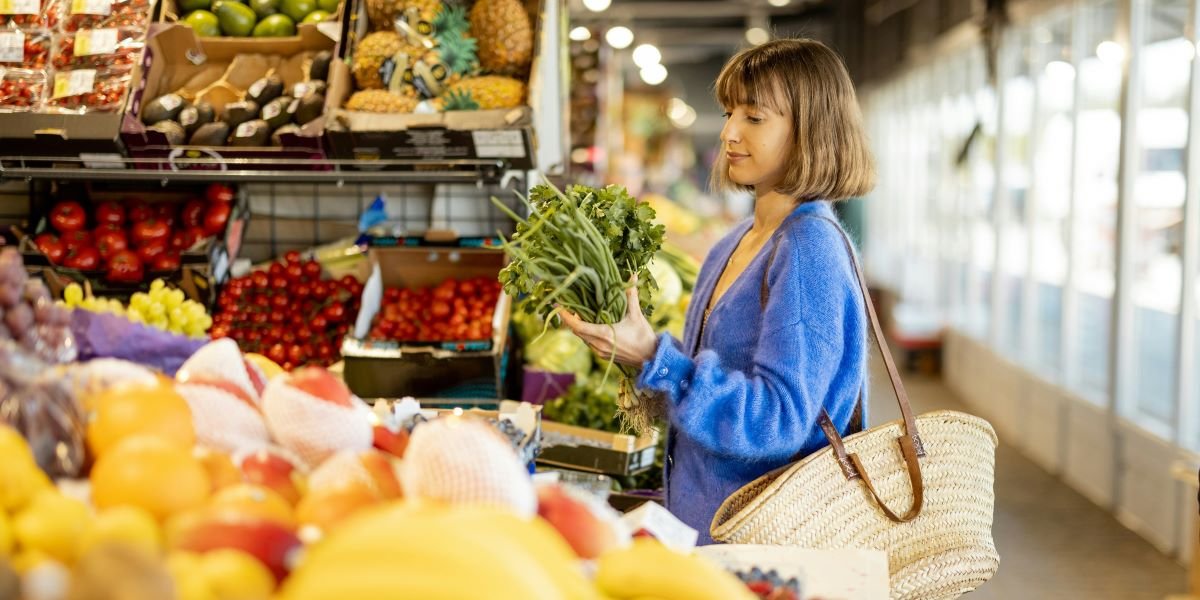
Local Food Has Become the Trip’s Organizing Principle, Not a Side Benefit
The National Restaurant Association’s 2026 Summer Tourism & Dining report, based on survey findings from more than 1,000 consumers, found that travelers are prioritizing “memorable, local dining experiences” over standard tourist-area restaurants when making trip decisions. Forty-seven percent of travelers listed authentic local cuisine as their top food-and-beverage priority, according to a separate consumer poll by Panterra cited in Airbnb’s report.
The shift has practical implications for where money flows during a trip. Rather than defaulting to chain restaurants or hotel dining rooms near a major attraction, travelers are actively seeking out farm-to-table restaurants, regional specialties, and food-tour experiences in the towns where they are staying. Airbnb’s FIFA World Cup city guides, published alongside the summer travel report, paired each host city not with arena directions or transit maps but with local food experiences: a Pike Place Market tasting tour in Seattle, a dim sum cooking class in Houston, a food and history tour in Atlanta, and a Little Havana culinary walk in Miami.
The food-first approach reflects a broader consumer expectation that travel should produce stories and skills, not just photos. Cooking classes, market tours, and restaurant reservations at locally owned establishments are functioning as the experiential centerpiece of the trip rather than an afterthought. For the restaurant industry, the trend translates to increased foot traffic in independent establishments located in walkable downtowns and neighborhood corridors, particularly in the smaller domestic destinations where national chains have less presence.
Gen Z Is Rediscovering Millennial-Era Destinations Through a Different Lens
A parallel trend in the Airbnb data shows Gen Z travelers, defined as those born roughly between 1997 and 2012, driving booking growth of more than 20% in destinations that defined Millennial travel a decade ago. But rather than repeating the Millennial playbook, Gen Z guests are seeking out lesser-known pockets within those same regions. In Greece, that means Folegandros and Lefkada instead of Santorini and Mykonos. In Brazil, it means Ubatuba and Fortaleza rather than Rio de Janeiro. In the United States, it means Sevierville, Tennessee, a gateway town to the Great Smoky Mountains, which Airbnb flagged as one of the top trending destinations globally among Gen Z travelers this summer.
The post-World Cup travel window is also shaping late-summer bookings. The FIFA World Cup 2026, which concluded in July across 16 North American host cities, absorbed a significant share of summer travel spending and scheduling for millions of Americans. As the tournament ended, many travelers who had postponed non-sports trips began booking domestic escapes through September, creating a secondary surge in late-August and early-fall bookings that benefits the rural and activity-based destinations already trending.
Disclaimer: This article is intended for informational purposes only and does not constitute travel, financial, or consumer advice. Booking data, pricing, and travel trends referenced in this article are based on publicly available reports and may be subject to change. Readers should consult Airbnb, the National Restaurant Association, or individual destinations directly for the latest availability and pricing.
FAQs
What Are Playcations?
Playcations are domestic trips organized around a specific active hobby or interest rather than a traditional tourist destination. Airbnb’s 2026 summer data shows travelers booking trips centered on surfing, golf, boating, and outdoor activities at secondary destinations that deliver the experience at lower cost and with fewer crowds than established vacation spots.
Where Are Americans Traveling This Summer?
One-third of U.S. travelers are choosing destinations within 300 miles of home. Trending domestic spots include the Outer Banks of North Carolina (surfing), Saugatuck, Michigan (boating), the Great Smoky Mountains in Tennessee (outdoor recreation), and rural towns like Marfa, Texas, Paonia, Colorado, and Bellingham, Washington, where average nightly rates stay below $250.
Why Is Local Food Driving Travel Decisions?
Forty-seven percent of travelers now rank authentic local cuisine as their top food-and-beverage priority when planning trips. The National Restaurant Association’s 2026 report found that consumers are choosing destinations based on dining opportunities and actively seeking farm-to-table restaurants, food tours, and cooking experiences over chain or resort dining. The trend benefits independent restaurants in walkable downtown corridors and smaller towns with distinctive local food cultures.